

Opinion|Videos|July 9, 2026
Multidisciplinary Supportive Care and Unmet Needs in ROS1-Positive Advanced Non-Small Cell Lung Cancer
The panel discusses the full multidisciplinary team required to optimize outcomes for patients with ROS1-positive advanced NSCLC: neuro-oncology for brain metastasis management, radiation oncology for CNS and bone disease, palliative care and symptom management specialists from diagnosis, physical therapy and nutrition, social work, and mental health services.
Advertisement
Episodes in this series
The panel discusses the full multidisciplinary team required to optimize outcomes for patients with ROS1-positive advanced NSCLC: neuro-oncology for brain metastasis management, radiation oncology for CNS and bone disease, palliative care and symptom management specialists from diagnosis, physical therapy and nutrition, social work, and mental health services. Significant stigma around mental health care in oncology is acknowledged; the panel argues that addressing psychological wellbeing using approachable language is inseparable from optimal cancer management. The mind-body-soul framework is embraced as integral to the patient experience.
The panel's primary identified unmet needs include: awareness, since ROS1 positivity is rare and community oncologists may default to the agent they learned first rather than the most effective available option; education at local, institutional, and national levels given that most community practitioners cannot attend ASCO, ESMO, or World Lung; AI-enabled resources like Open Evidence to support rapid evidence access; and patient advocacy organizations including ROS1 UK and ROS1 Latin America, which connect patients with peers, clinical trials, and specialists in ways that complement physician care.
Nurse navigators are highlighted as essential members of the first-visit team who can introduce advocacy resources, support treatment adherence, and serve as trusted conduits for patients navigating complex decisions. The panel closes by emphasizing that education for providers, patients, and caregivers remains the most powerful tool for improving outcomes in this rare but treatable disease.
Advertisement
Related to this article
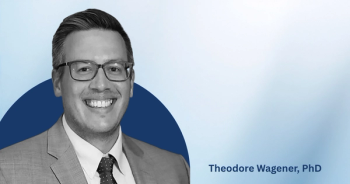
Theodore Wagener, PhD, of The Ohio State University discusses the design of the phase 2 DREAM LUNG study of psilocybin-assisted therapy for depression in non–small cell lung cancer.
Advertisement
Advertisement