

Opinion|Videos|March 20, 2025
Optimizing Frontline TKI Therapy in Advanced uHCC: Managing Adverse Events
Author(s)Amit Mahipal, MD
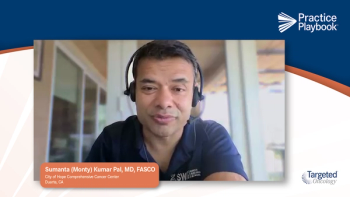
An expert discusses how in the first-line (1L) treatment of advanced unresectable hepatocellular carcinoma (uHCC) with tyrosine kinase inhibitors (TKIs) such as lenvatinib or sorafenib, proactive adverse event (AE) management is crucial. This includes baseline assessment; regular monitoring of adverse effects such as hypertension, hand-foot syndrome, and fatigue; and implementing preventive strategies. Treatment should be individualized with dose modifications as needed to balance therapeutic efficacy with quality of life, particularly given the advanced disease state.
Advertisement
Episodes in this series
Video content above is prompted by the following:
- When using systemic TKI as 1L treatment in advanced uHCC, what are important considerations during treatment implementation?
- What are common AEs seen with the use of
lenvatinib or sorafenib? - What is your approach to AE prevention, monitoring, and management?
- What strategies can be implemented to address toxicity profiles with either therapy?
- How do you balance treatment intensity/goals with maintaining quality of life, especially when patients have advanced-stage disease?
Advertisement
Related Content
Advertisement



























Advertisement
Advertisement
Trending on Targeted Oncology - Immunotherapy, Biomarkers, and Cancer Pathways
1
FDA Accepts NDA for Daraxonrasib in Metastatic Pancreatic Cancer
2
Advanced Renal Cell Carcinoma: Tailoring Second-Line Therapy After Prior Immunotherapy
3
Teclistamab/Talquetamab Reduces Risk of Progression by 89% in R/R Multiple Myeloma
4
IMNN-001 Plus Chemo Cuts MRD Rate in Frontline Ovarian Cancer
5