
Commentary|Videos|June 8, 2026
Unmet Needs and Evolving Approaches in Brain Tumor Management
Author(s)Raj Singh, MD
Fact checked by: Sabrina Serani
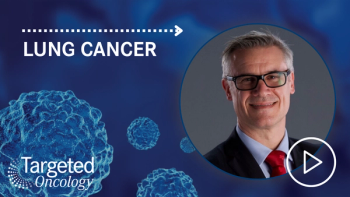
Raj Singh, MD, discusses treatment gaps, emerging therapies, and the critical role of multidisciplinary care in managing brain tumors.
Advertisement
For World Brain Tumor Day on June 8, Raj Singh, MD, outlines the significant unmet needs and emerging developments in brain tumor management, focusing primarily on glioblastoma and meningiomas.
Singh is a radiation oncologist at the Eugene M. and Christine E. Lynn Cancer Institute, part of Baptist Health.
In glioblastoma, systemic therapy has stagnated since the Stupp protocol was established in the early 2000s. While tumor treating fields (Optune) have shown modest survival improvements, larger trials have repeatedly failed to replicate the promising signals seen in smaller studies. From a radiation standpoint, dose escalation to 75 Gy using proton therapy has shown an initial survival benefit, potentially linked to reduced lymphopenia and preserved immune function. PET imaging is also emerging as a tool for target delineation and response assessment.
For meningiomas, the major gap lies in systemic therapy options for patients who have exhausted local treatments. The field is moving toward methylation profiling to better stratify patients: identifying those who may not need adjuvant radiation and those who require more aggressive dosing due to radioresistant tumor biology.
Regarding younger adult patients, Singh highlights the growing recognition of IDH-mutant grade 4 astrocytoma as a distinct entity. Key considerations include neurocognitive sequelae from large radiation volumes, early intervention for radiographic necrosis (including the natural supplement Boswellia serrata), and thorough upfront counseling on fertility preservation, which may require careful MRI monitoring if adjuvant therapy is briefly delayed.
On multidisciplinary care, Singh emphasizes that neurosurgery, radiation oncology, neuro-oncology, and medical oncology must all be engaged early. Particularly in brain metastases, extracranial disease status heavily influences intracranial management decisions, and evolving targeted therapies, such as BRAF-directed treatment for papillary craniopharyngioma, make early specialist involvement essential to avoid unnecessary treatment.
Advertisement
Related Content
Advertisement


Latest CME

































Advertisement
Advertisement
Trending on Targeted Oncology - Immunotherapy, Biomarkers, and Cancer Pathways
1
NCCN Survey Finds Persistent Cancer Drug Shortages Across US Centers
2
Rewriting the Playbook: How Biomarker-Driven Therapy Is Transforming Metastatic Prostate Cancer Care
3
Risk-Adapted Quadruplet Therapy Sustains 5-Year Survival Benefit in High-Risk Myeloma
4
FDA Delays Decision on Zanzalintinib Combo for mCRC
5