
Fertility preservation becomes crucial for reproductive-age cancer patients, emphasizing timely intervention and collaboration between oncology and reproductive specialists.

Sabrina Serani is the managing editor for Targeted Oncology, covering breast, lung, and brain cancers. Contact her at [email protected].
Fertility preservation becomes crucial for reproductive-age cancer patients, emphasizing timely intervention and collaboration between oncology and reproductive specialists.

New clinical data reveals promising efficacy of VS-7375, a KRAS G12D inhibitor, in advanced lung cancer, highlighting its potential for unmet medical needs.
FDA fast-tracks HLD-0915, a novel therapy for metastatic castration-resistant prostate cancer, promising rapid development and potential breakthrough treatment.

New analysis reveals enzalutamide significantly outperforms darolutamide in treating metastatic hormone-sensitive prostate cancer, enhancing patient outcomes.

New research reveals that many patients with low-risk thyroid cancer can safely skip postoperative radioiodine ablation, reducing treatment burden and side effects.

A digital app significantly enhances the quality of life for caregivers of stem cell transplant patients, reducing stress and improving coping abilities.
A groundbreaking study enhances stem cell transplant access for diverse patients, improving outcomes with mismatched donors and innovative techniques.

A phase 3 study shows Cylembio combined with pembrolizumab improves progression-free survival in advanced melanoma, highlighting its potential as a treatment option.

New research reveals that combining talazoparib with enzalutamide significantly enhances survival rates in metastatic prostate cancer patients, regardless of genetic factors.
New trial results reveal that pembrolizumab and enfortumab vedotin significantly enhance survival rates for muscle-invasive bladder cancer patients ineligible for cisplatin.
The FDA accepts a new drug application for vepdegestrant, a promising oral PROTAC developed by Arvinas and Pfizer, signaling potential breakthroughs in treatment.
New data reveals sugemalimab significantly enhances survival rates in metastatic non–small cell lung cancer, establishing it as a key first-line treatment option.
Zongertinib gains FDA approval for advanced NSCLC with HER2 mutations, showcasing promising efficacy and safety in clinical trials.
ProteinQure's PQ203, a novel peptide drug conjugate, gains FDA fast track designation for advanced triple-negative breast cancer clinical trials in North America.

Epcoritamab shows promising results in treating relapsed follicular lymphoma, with FDA priority review for a groundbreaking combination therapy.

Roxadustat advances as a promising oral treatment for anemia in lower-risk myelodysplastic syndromes, targeting high transfusion dependency.
The FDA approves the Embrace Hydrogel Embolic System, offering a groundbreaking treatment for hypervascular tumors in interventional oncology.
FDA accepts a new formulation of piflufolastat F 18, enhancing prostate cancer imaging access and efficiency, with a target action date of March 2026.
Updated data from the BEXMAB study reveals a significant increase in complete remission rates for patients with high-risk myelodysplastic syndrome treated with bexmarilimab.
The FDA fast-tracks birelentinib, a dual inhibitor for relapsed CLL/SLL, promising new hope for patients facing treatment resistance.
FDA expands tocilizumab-anoh's indication for treating cytokine release syndrome, enhancing treatment options for patients undergoing CAR T-cell therapy.
A new FDA-approved trial explores innovative treatments for recurrent glioblastoma, offering hope for patients facing this aggressive brain cancer.
The RESONATE-2 trial reveals ibrutinib's long-term efficacy and safety in treating CLL/SLL, especially for high-risk patients, over nearly a decade.

Akeso initiates a pivotal trial for cadonilimab and lenvatinib, targeting advanced liver cancer resistant to PD-1 therapy, addressing urgent treatment needs.
FDA accelerates approval of dordaviprone, the first targeted therapy for aggressive diffuse midline glioma, offering hope for patients with H3 K27M mutation.
The FDA issued a complete response letter to the odronextamab application in follicular lymphoma, rejecting the drug for a second time in this patient population.

Eftilagimod alfa shows promise as a novel immunotherapy for head and neck cancer patients with low PD-L1 expression, offering new treatment hope.
Hemispherian's GLIX1 gains FDA approval for glioblastoma trials, promising a novel therapy targeting DNA repair in tumor cells.
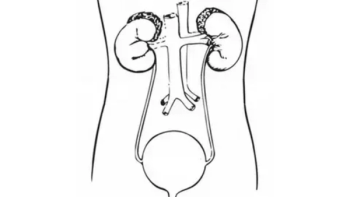
UroGen Pharma's ENVISION trial reveals promising long-term efficacy of intravesical mitomycin for treating low-grade bladder cancer, offering a non-surgical option.

Cardiff Oncology reveals promising results for onvansertib in treating KRAS- or NRAS-mutated metastatic colorectal cancer, enhancing response rates significantly.