
Patritumab deruxtecan shows promising survival rates and manageable safety in treating leptomeningeal metastatic disease, offering hope for patients with limited options.

Sabrina Serani is the managing editor for Targeted Oncology, covering breast, lung, and brain cancers. Contact her at [email protected].
Patritumab deruxtecan shows promising survival rates and manageable safety in treating leptomeningeal metastatic disease, offering hope for patients with limited options.
Zydus Lifesciences gains FDA tentative approval for generic ibrutinib, enhancing access to vital cancer treatment for patients with CLL, SLL, and WM.

New findings confirm that partial-breast and reduced-dose radiotherapy effectively treat low-risk early-stage breast cancer with fewer side effects.
Replimune faces FDA hurdles for RP1, an innovative melanoma treatment, as it seeks a path forward after receiving a complete response letter.

FDA fast-tracks DB-1310, a novel HER3-targeting ADC, offering hope for advanced NSCLC patients with unmet treatment needs.

Luspatercept shows promise in improving anemia in myelofibrosis patients, despite not meeting primary trial endpoints, highlighting ongoing treatment challenges.

Oncolytics Biotech reveals promising survival data for pelareorep, an innovative immunotherapy, showing significant benefits in hard-to-treat cancers.
Preliminary results from the TRIFOUR trial highlight nadunolimab's potential in treating advanced triple-negative breast cancer, showing promising efficacy and safety.
FDA designates T-DXd plus pertuzumab as breakthrough therapy for HER2-positive metastatic breast cancer, promising improved survival rates for patients.
Osimertinib plus chemotherapy significantly improves overall survival in EGFRm NSCLC, signaling a new standard of care.
Innovative research explores targeted therapies for early triple-negative breast cancer, aiming to reduce toxicity while enhancing treatment efficacy.
FDA issues a complete response letter for glofitamab's second-line DLBCL indication, highlighting ongoing scrutiny in oncology therapy approvals.
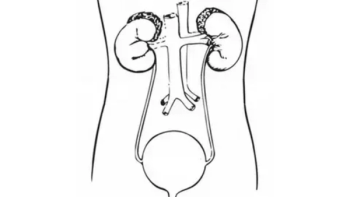
A phase 2 trial shows promising safety results for carotuximab in treating advanced prostate cancer, offering hope for patients with limited options.
FDA grants orphan drug designation to ICT01, a promising immunotherapy for acute myeloid leukemia, targeting unmet needs in older patients.

Promising results emerge from a phase 1b trial of azer-cel, an innovative CAR T-cell therapy, showing high response rates in DLBCL patients.
The FDA's ODAC voted that the benefit-risk profile of belantamab mafodotin in multiple myeloma were not favorable, highlighting notable ocular toxicities and missed opportunities for dosing optimization.
Researchers explore glioblastoma's genetic complexity using innovative spatial profiling, aiming to enhance treatment strategies and understand tumor resistance.
Zenith Epigenetics' ZEN-3694 gains FDA fast track designation, offering hope for patients with aggressive NUT carcinoma through innovative treatment combinations.
Bria-IMT shows promising survival benefits in heavily pretreated metastatic breast cancer, outperforming established therapies in recent studies.

Cancer care evolves as financial navigation becomes essential. Experts highlight the need for empathy, communication, and routine screenings to support patients effectively.

Agenus reveals promising survival rates for its immunotherapy in metastatic colorectal cancer, potentially transforming treatment for resistant patients.

This week’s edition of The Targeted Pulse spotlights 5 key developments shaping the landscape of targeted oncology.

In the MIDAS trial, ASCT showed no added MRD benefit over Isa-KRd in newly diagnosed myeloma, raising questions about transplant timing.
FDA's new draft guidance enhances drug development for myelodysplastic syndromes, focusing on trial design, patient selection, and safety reporting.
Adcentrx Therapeutics advances gastric cancer treatment with FDA orphan drug designation for ADRX-0405, a promising antibody-drug conjugate in clinical trials.

A phase 2 trial reveals that combining intratumoral BO-112 with pembrolizumab shows potential in treating anti–PD-1-resistant melanoma.
FDA designates MB-101 CAR T-cell therapy for glioblastoma, highlighting its potential in treating aggressive brain tumors with innovative combination strategies.
FDA designates FF-10832 as an orphan drug for biliary tract cancer, promising enhanced treatment options for this aggressive malignancy.