



BREAST CANCER
Latest News
Advertisement
Latest Videos

































Advertisement
More News

The treatment paradigm for HER2-positive breast cancer may be reshaped over the next several years, as head-to-head studies comparing new agents to the current standard of care begin to yield results, said Sara A. Hurvitz, MD.
The healthcare community is still awaiting a response from the Centers for Medicare & Medicaid Services to the opposition of the agency’s proposal to substantially revise the Medicare Part D protected drug classes.
The need for new therapies to treat metastatic triple-negative breast cancer is pressing, and the development of antibody-drug conjugates represents a promising new strategy for these patients, according to Aditya Bardia, MD, MPH.
At the <em>36th Annual </em>Miami Breast Cancer Conference<sup>®</sup>, a panel of experts discussed the use of 2 FDA-approved PARP inhibitors for patients with HER2-negative advanced or metastatic breast cancer whose tumors are positive for germline <em>BRCA1/2 </em>mutations.
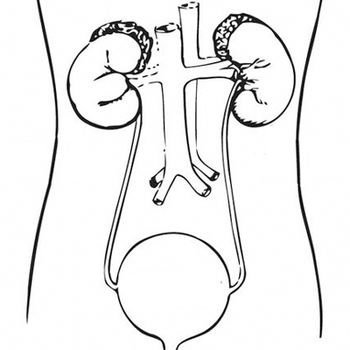
Overtreating men 70 years or older with prostate cancer cost Medicare more than $1.2 billion from 2004 to 2007, according to the results of a retrospective study using the Surveillance, Epidemiology, and End Results–Medicare linked database.

A fourth trastuzumab biosimilar has been granted approval by the FDA. The approval was for PF-05280014 for the treatment of patients with HER2-overexpressing breast cancer as well as HER2-overexpressing metastatic gastric or gastroesophageal junction adenocarcinoma.
An accelerated approval has been granted by the FDA for the combination of atezolizumab and nab-paclitaxel as a frontline treatment for patients with unresectable locally advanced or metastatic PD-L1–positive triple-negative breast cancer.
Joseph F. Stilwill, MD, shares insight on the benefit seen with CDK4/6 inhibitors in patients with advanced HR-positive, HER2-negative breast cancer and highlighted ongoing research aimed at overcoming acquired resistance.
Hope Rugo, MD, discusses results from a trial that evaluated a reduced dose of palbociclib in patients with HR+ metastatic breast cancer. She also shares details from research for a scalp cooling cap to reduce hair loss for patients with breast cancer.
According to preliminary findings from the phase Ib KEYNOTE-173 trial, combining the PD-1 inhibitor pembrolizumab with platinum/taxane chemotherapy led to high rates of pathologic complete response in patients with locally advanced triple-negative breast cancer.
Subcutaneous use of trastuzumab and hyaluronidase-oysk injection has been approved by the FDA in combination with chemotherapy for the treatment of select patients with HER2-positive early breast cancer, in combination with paclitaxel in patients with metastatic HER2-positive breast cancer as a frontline treatment, and alone for patients with metastatic disease who have received at least 1 prior chemotherapy regimen.

Debu Tripathy, MD, discusses the use of CDK4/6 inhibitors for the treatment of HER2-negative breast cancer based on the results from the phase III MONALEESA-7 trial.
Neelima Denduluri, MD, discusses each CDK4/6 inhibitor as potential first-line and second-line therapies based on the data from the PALOMA-2, MONALEESA-2 and -7, and MONARCH 3 trials, which led to their approvals.
Massimo Cristofanilli, MD, discusses the clinical utility of liquid biopsies—specifically focusing on CTCs and cfDNA—and highlights ongoing research in the space.
Jame Abraham, MD, discusses the key takeaways from the phase Ib study of trastuzumab emtansine in combination with neratinib in patients with HER2-positive breast cancer.
Patients with heavily pretreated metastatic HER2-positive breast cancer saw an improvement in progression-free survival with margetuximab combined with chemotherapy compared with trastuzumab and chemotherapy, according to findings from the phase III SOPHIA trial.
A supplemental Biologics License Application for ado-trastuzumab emtansine (T-DM1; Kadcyla) has been submitted to the FDA seeking approval for the agent as an adjuvant treatment for patients with HER2-positive early breast cancer who had residual disease following neoadjuvant therapy.
Stacy L. Moulder, MD, discusses the challenges in drug development for triple-negative breast cancer, specifically in the neoadjuvant setting.
A look back at all the FDA news in oncology from the month of January 2019, including several new approvals, breakthrough therapy designations, and a partial clinical hold.
Debu Tripathy, MD, discusses the subgroup analysis from the MONALEESA-7 trial, as well as data from a pooled analysis looking at ribociclib in several clinical trials.
In findings from the phase II next MONARCH 1 trial, single-agent abemaciclib continued to be safe and effective for patients with hormone receptor–positive, HER2-negative advanced breast cancer who have progressed on or following endocrine therapy.




Advertisement
Advertisement
Trending on Targeted Oncology - Immunotherapy, Biomarkers, and Cancer Pathways
1
FDA Accepts NDA for Daraxonrasib in Metastatic Pancreatic Cancer
2
Advanced Renal Cell Carcinoma: Tailoring Second-Line Therapy After Prior Immunotherapy
3
Teclistamab/Talquetamab Reduces Risk of Progression by 89% in R/R Multiple Myeloma
4
Updated HARMONi Analysis Shows Consistent OS Benefit With Ivonescimab in EGFRm Lung Cancer
5