



BREAST CANCER
Latest News
Advertisement
Latest Videos
































Advertisement
More News

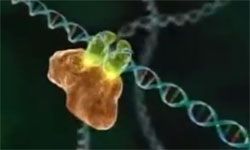
The human epidermal growth factor receptors (known as the HER family) play a pivotal role in transmitting signals that regulate cell growth and survival.

Meredith C. Henderson, PhD, Head, R&D, Provista Diagnostics, describes the dtectDx Breast test.

The FDA’s Oncologic Drugs Advisory Committee voted 13-0 with one abstention in support of pertuzumab (Perjeta) in combination with trastuzumab and docetaxel for patients with HER2-positive breast cancer in the neoadjuvant setting.
Studies presented at the 2013 Breast Cancer Symposium investigated the efficacy and safety of various approaches to the treatment of HER2-positive breast cancer.
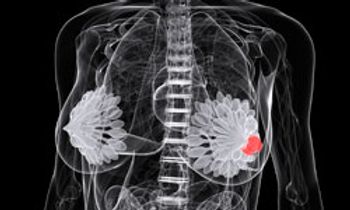
A pair of studies from the 2013 Breast Cancer Symposium delivered promising and preliminary news about the microtubule inhibitor eribulin mesylate.

An analysis of the T-PAS expanded access study of T-DM1 in previously treated HER2+ metastatic breast cancer confirmed existing information on the safety of the combination, and observed significant clinical activity in a patient population that averaged seven prior therapies.

New analyses of the BOLERO-2 trial indicate that everolimus and exemestane produced significantly longer PFS than placebo and exemestane in several previously unstudied patient subgroups.
Denise A. Yardley, MD, Senior Investigator, Sarah Cannon Research Institute, discusses an expanded access study of T-DM1 in previously treated HER2-positive metastatic breast cancer.

Entinostat in combination with exemestane has been granted a Breakthrough Therapy designation from the FDA for its potential to reverse resistance to hormonal therapies used to treat patients with advanced ER-positive breast cancer.

Over the past two decades, there has been a shift away from indiscriminate cell-killing by anticancer agents toward the development of more specific drugs that target key aspects of cancer cell biology.
Aditya Bardia, MD, MPH, Attending Physician, Massachusetts General Hospital, Harvard Medical School, gives an overview of the Snapshot assay for breast cancer.
Women with DCIS treated with radiation therapy had no increased risk of cardiovascular disease compared with women in the general population or women with DCIS treated with surgery.

Patients with DCIS who received an MRI added to mammography before or immediately after receiving a lumpectomy did not experience an improvement in the rate of disease recurrence.

Naomi B. Boekel, MSc, discusses the results from a large study that showed that radiation therapy for DCIS does not seem to increase cardiovascular disease risk.
Deanna J. Attai, MD, surgeon, president, Center For Breast Care, Burbank, CA, discusses patients' perception of breast cancer risk.
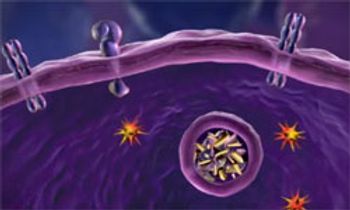
Despite recent oncology breakthroughs, conventional anticancer treatments may have limitations. Decades of research are resulting in the capacity to create a new generation of antibody drug conjugates.
Andrew D. Seidman, MD, from Memorial Sloan-Kettering Cancer Center, discusses breast cancer treatment with surgery and radiotherapy.

Kathy S. Albain, MD, from Loyola University Chicago, discusses gene assays as they relate to the treatment of patients with breast cancer.

Paul A. Bunn, Jr, MD, from the University of Colorado, discusses afatinib for patients with activating epidermal growth factor receptor mutation.
Carol Aghajanian, MD, from the Memorial Sloan-Kettering Cancer Center, discusses the difficulties with a gold standard clinical trial endpoint in ovarian cancer.

Elizabeth Mittendorf, MD, PhD, from the University of Texas MD Anderson Cancer Center, gives an overview of how the E75 vaccine works in breast cancer.
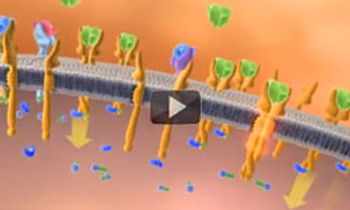
Breast cancer pathogenesis may be driven by activation of steroid hormone receptors, like those for estrogen and progesterone, and may also be driven by receptor tyrosine kinases.

Dual HER2-targeted neoadjuvant therapy for early breast cancer did not significantly improve the pCR rate compared with a single anti-HER2 agent plus chemotherapy.

Adding everolimus to conventional therapy slowed the progression of trastuzumab-resistant advanced breast cancer and provided clues to the origin of trastuzumab resistance.

Minetta Liu, MD, Breast Cancer Specialist, Mayo Clinic, Rochester, Minnesota, describes the CELLSEARCH® CTC Test, which allows for an assessment of patient prognosis.
Advertisement
Advertisement
Trending on Targeted Oncology - Immunotherapy, Biomarkers, and Cancer Pathways
1
FDA Accepts NDA for Daraxonrasib in Metastatic Pancreatic Cancer
2
Advanced Renal Cell Carcinoma: Tailoring Second-Line Therapy After Prior Immunotherapy
3
FDA Approves Zidesamtinib for Previously Treated ROS1-Positive NSCLC
4
Teclistamab/Talquetamab Reduces Risk of Progression by 89% in R/R Multiple Myeloma
5