

Chronic Myeloid Leukemia
Latest News

Advertisement
Latest Videos











































Advertisement
More News
William G. Wierda, MD, PhD, professor, Department of Leukemia, Division of Cancer Medicine, The University of Texas MD Anderson Cancer Center, discusses the CLL11 trial, a three-arm trial comparing chlorambucil versus chlorambucil plus rituximab versus chlorambucil plus obinutuzumab in patients with previously untreated chronic lymphocytic leukemia (CLL).
Mark R. Litzow, MD, chair, ECOG-ACRIN Leukemia Committee, professor of medicine, Division of Hematology, Mayo Clinic, discusses the role of transplant in patients with acute lymphoblastic leukemia (ALL).

The adaptive I-SPY 2 trial has found that a neoadjuvant regimen of neratinib and standard chemotherapy is beneficial for high-risk patients with hormone receptor (HR)-negative, HER2-positive stage II/III breast cancer.
Alessandra Ferrajoli, MD, associate professor, Department of Leukemia, Division of Cancer Medicine, The University of Texas MD Anderson Cancer Center, discusses ibrutinib, which was recently approved for patients with chronic lymphocytic leukemia (CLL) who have received at least one previous therapy.
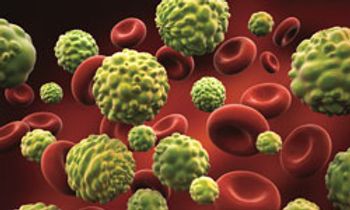
Treatment of CLL is complicated by the fact that most patients are diagnosed at a later age, with a median age at diagnosis of 72 years. In the United States, 75% of patients with CLL are more than 65 years of age.
Meir Wetzler, MD, chief, Leukemia Section, Department of Medicine, Professor of Medicine, Department of Medicine, Roswell Park Cancer Institute, discusses a phase I trial that studies the side effects and immune response to DEC-205/NY-ESO-1 fusion protein CDX-1401 and decitabine in patients with myelodysplastic syndrome (MDS) or acute myeloid leukemia
Eunice Wang, MD, discusses an ongoing phase III trial looking at vincristine sulfate liposomes injection (Marqibo) for the treatment of patients ≥ 60 years old with newly diagnosed acute lymphoblastic leukemia (ALL).

William G. Wierda, MD, PhD, professor, Department of Leukemia, Division of Cancer Medicine, The University of Texas MD Anderson Cancer Center, comments on the impact of targeted therapies for the treatment of chronic lymphocytic leukemia (CLL).
Harry Erba, MD, PhD, professor of medicine, director, Hematologic Malignancy Program, University of Alabama at Birmingham, discusses BCR-ABL Ratios in patients with chronic-phase chronic myeloid leukemia
Harry Erba, MD, PhD, professor of medicine, director, Hematologic Malignancy Program, University of Alabama at Birmingham, discusses tipifarnib for the treatment of older, untreated patients with AML.

With the growing knowledge of immune system components, signaling processes, and regulatory networks, cancer immunotherapy has yielded increasingly favorable treatment outcomes.
Anas Younes, MD, chief, Lymphoma Service, Memorial Sloan Kettering Cancer Center, discusses treatment with idelalisib for chronic lymphocytic leukemia (CLL) and indolent non-Hodgkin lymphoma (iNHL)
William G. Wierda, MD, PhD, professor, Department of Leukemia, Division of Cancer Medicine, The University of Texas MD Anderson Cancer Center, discusses treatment options for patients with CLL who harbor the 17p deletion.
Jae Park, MD, attending physician, Leukemia Service, Memorial Sloan-Kettering Cancer Center, describes the design of a trial analyzing vemurafenib for the treatment of patients with hairy cell leukemia.
Miguel-Angel Perales, MD, from Memorial Sloan-Kettering Cancer Center, discusses the challenges regarding access to bone marrow transplant donors.
Mark J. Levis, MD, PhD, discusses the ideal way to use quizartinib to treat a patient with an FLT3-ITD mutation in acute myeloid leukemia (AML).
Renier J. Brentjens, MD, PhD, associate professor, chief, Cellular Therapeutics Center, Memorial Sloan-Kettering Cancer Center, discusses the differences between the CAR-modified T cells of three institutions.
The FDA approval of two anti-CD20 antibodies—ofatumumab (Arzerra) and, just recently, obinotuzumab (Gazyva)—has greatly advanced the outlook for managing chronic lymphocytic leukemia.
Richard R. Furman, MD, Richard A. Stratton Assistant Professor in Hematology and Oncology, Weill Cornell Medical College, gives an overview of the efficacy and safety of idelalisib and rituximab for previously treated CLL.
Mark J. Levis, MD, PhD, discusses the difficulty of treating a patient with a FLT3-ITD mutation in acute myeloid leukemia.
Marcel R.M. van den Brink, MD, PhD, Head, Division of Hematologic Oncology, Alan N. Houghton Chair, Memorial Sloan-Kettering Cancer Center, highlights two studies that will be presented at the 2013 American Society of Hematology (ASH) Meeting.
Jae Park, MD, attending physician, Leukemia Service, Memorial Sloan-Kettering Cancer Center, comments on the treatment of patients with hairy cell leukemia.
Mark J. Levis, MD, PhD, Johns Hopkins University, discusses the background and future of quizartinib for FLT3-ITD acute myeloid leukemia at the 2013 Chemotherapy Foundation Symposium, which took place from November 6-8.

Obinutuzumab (Gazyva) plus chlorambucil has been approved by the FDA as a first-line treatment for patients with CLL, based on clinical trial data demonstrating that the combination more than doubled median PFS over the chemotherapy agent alone.

A phase III EPIC trial exploring ponatinib (Iclusig) in untreated patients with chronic myeloid leukemia (CML) has been discontinued. The decision comes following a high occurrence of arterial thrombotic events, according to a statement released by Ariad Pharmaceuticals, Inc., the company developing the drug.
Advertisement
Advertisement
Trending on Targeted Oncology - Immunotherapy, Biomarkers, and Cancer Pathways
1
Anito-Cel Delivers Durable Responses With Low Neurotoxicity in RRMM
2
Risk, Histology, and Metastatic Site Guide First-Line RCC Treatment Choices
3
FDA Application Withdrawn for I-DXd in Small Cell Lung Cancer
4
Frontline CAR T and Bispecific Antibodies Are the Next Frontier in Myeloma
5