





Chronic Myeloid Leukemia
Latest News
Advertisement
Latest Videos

















































Advertisement
More News
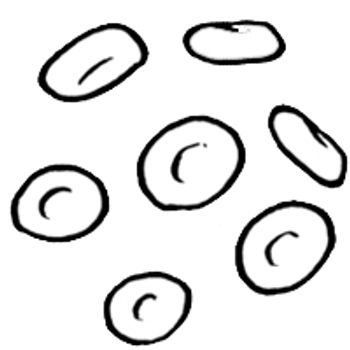
Chronic lymphocytic leukemia is characterized by the clonal proliferation and accumulation of small, mature-appearing CD5-positive B lymphocytes in the blood, bone marrow, and secondary lymphoid tissues. A CLL diagnosis is established by the presence of more than 5x10⁹/L peripheral lymphocytes co-expressing CD5, CD19, and CD23, and weakly expressing CD20, CD79b, and surface immunoglobulin. Small lymphocytic lymphoma represents a clinical variant of CLL and is similarly managed.
Sarah K. Tasian, MD, discusses what she finds most interesting about Philadelphia chromosome (Ph-like) acute lymphoblastic leukemia.
Dasatinib has been granted approval by the European Commission as a treatment for children and adolescent patients aged 1 to 18 years with Philadelphia chromosome–positive chronic myeloid leukemia in chronic phase, according to Bristol-Myers Squibb, the manufacturer of the tyrosine kinase inhibitor.

According to results presented at the 2018 ASCO Annual Meeting, moxetumomab pasudotox, a first-in-class recombinant immunotoxin targeting CD22, demonstrated deep and durable responses in a substantial proportion of pretreated patients with relapsed/refractory hairy cell leukemia.

The FDA approved several indications throughout the month of April 2018. A number of drugs were granted priority review and Fast Track designation. The FDA also halted all clinical trials using tazemetostat as treatment, and new initiatives were introduced to help ease the development of genetic and genomic-based tests. Check out our list of all FDA happenings from April 2018.



Based on data from 2 clinical trials, nilotinib (Tasigna) has been approved by the FDA for the first- and second-line treatment of pediatric patients aged 1 year and older with Philadelphia chromosome–positive chronic myeloid leukemia in the chronic phase.


Advertisement
Advertisement
Trending on Targeted Oncology - Immunotherapy, Biomarkers, and Cancer Pathways
1
Anito-Cel Delivers Durable Responses With Low Neurotoxicity in RRMM
2
Risk, Histology, and Metastatic Site Guide First-Line RCC Treatment Choices
3
FDA Application Withdrawn for I-DXd in Small Cell Lung Cancer
4
Frontline CAR T and Bispecific Antibodies Are the Next Frontier in Myeloma
5