
LEUKEMIAS
Latest News

Advertisement
Latest Videos












































Advertisement
More News
Nitin Jain, MD, discusses clinical trials investigating allogeneic chimeric antigen receptor T-cell therapy for B-cell acute lymphoblastic leukemia and other hematologic malignancies.

Updated data from the phase 1/2 AUGMENT trial led to a 30% complete remission rate and an overall response rate of 53% with SNDX-5613 when used in patients with relapsed/refractory acute leukemias.
Dr Carraway highlights some of the most urgent unmet needs for patients with higher-risk MDS.
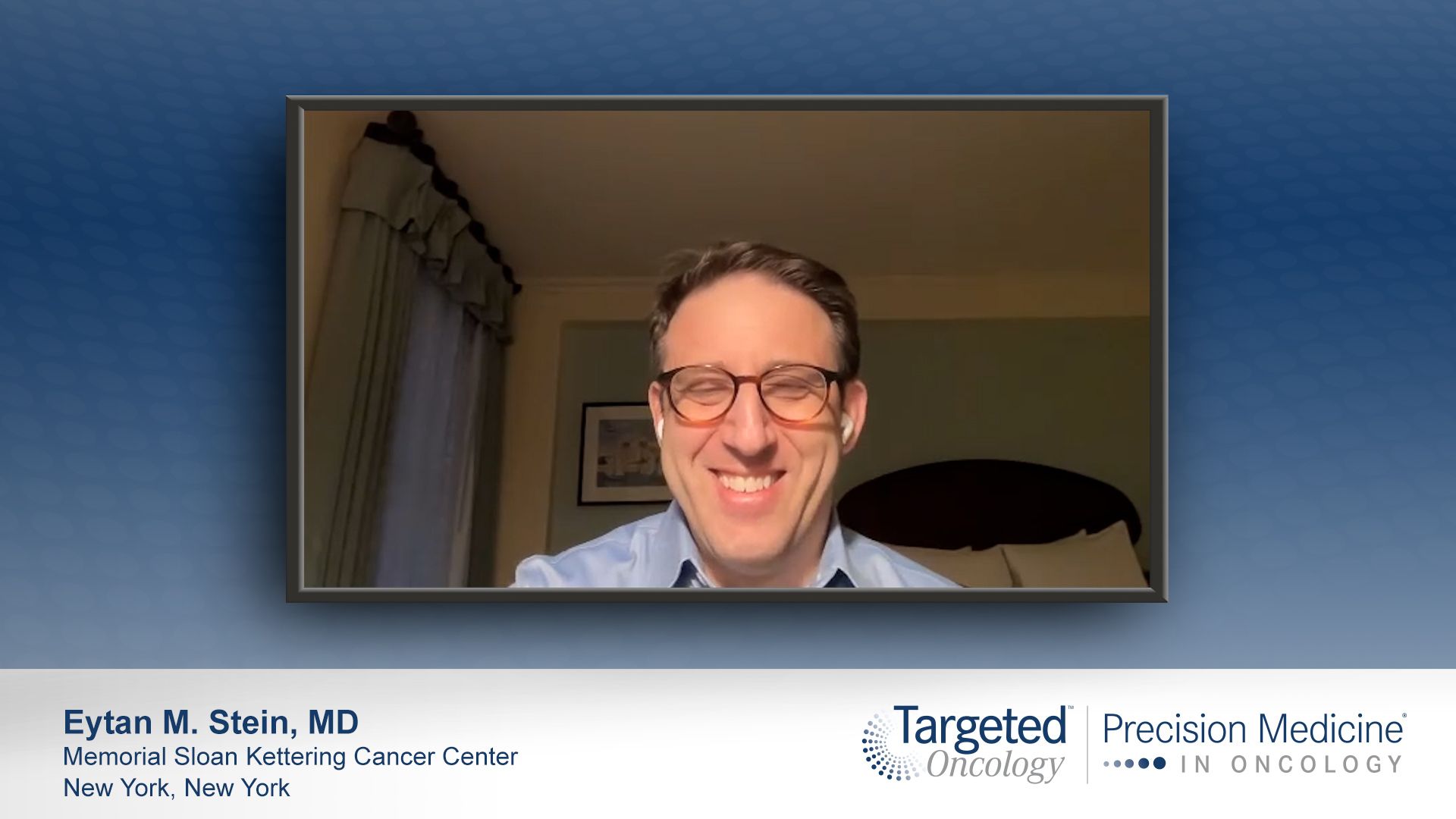
Eytan M. Stein, MD, discusses how to treat patients with MDS who have IDH or TP53 mutations, and whether there is a role for targeted therapy in this patient population.

The CAR T-cell therapy tisagenlecleucel showed promising anti-tumor activity in pediatric patients with acute lymphoblastic leukemia.
Dr Hetty Carraway muses on whether magrolimab plus azacitadine will be used as a standard treatment for higher-risk MDS in the future.
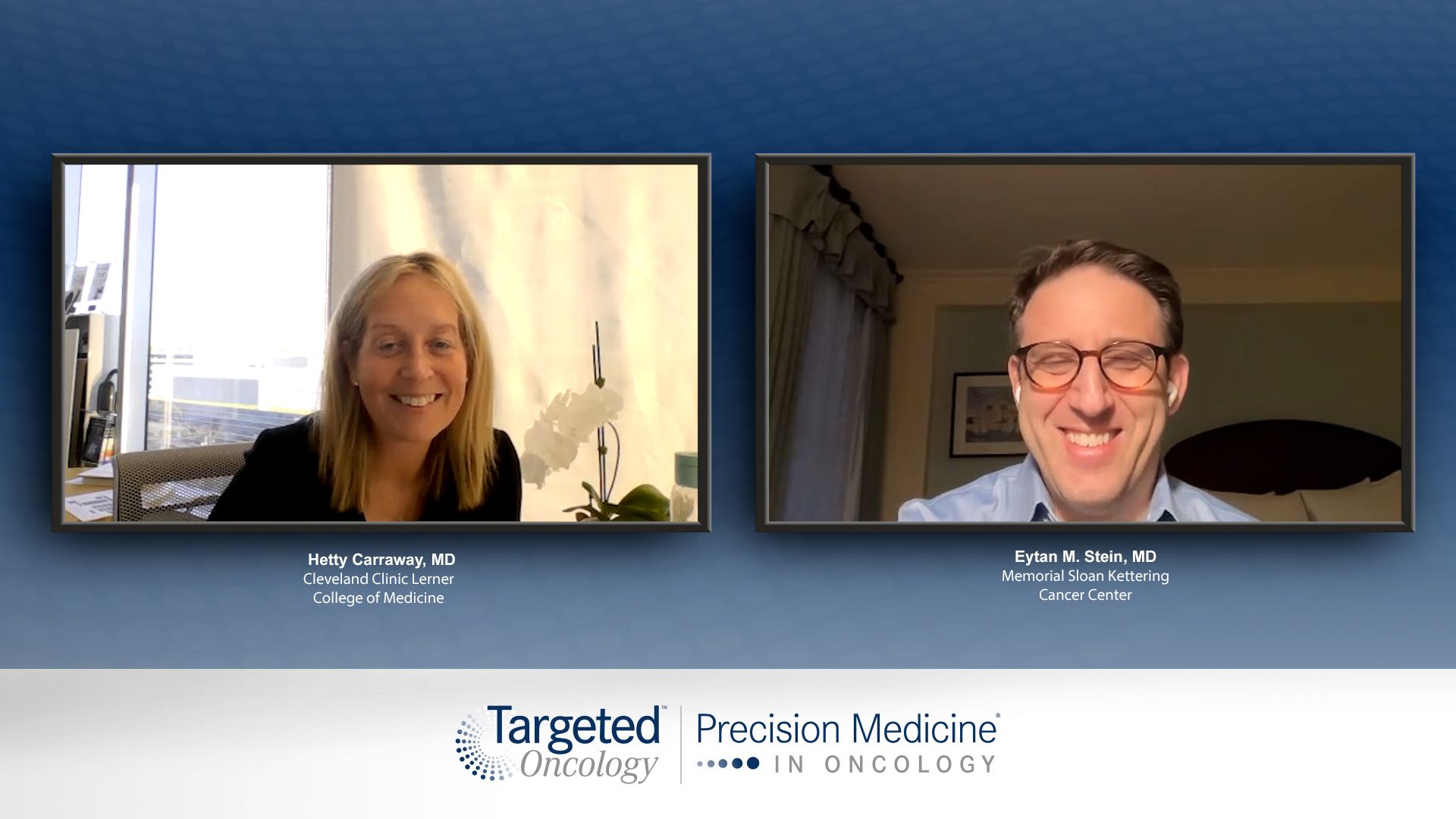
Drs Stein and Carraway explain the rationale for a magrolimab and azacitidine combination treatment for patients with higher-risk MDS with supporting data from 2 clinical trials.
Key opinion leaders describe the role of hypomethylating agents in treating higher-risk MDS and the treatment options after HMA failure.
Hetty Carraway, MD, illustrates the role of allogenic stem cell transplant in MDS and the criteria used to determine a patient’s eligibility.
Eytan M. Stein, MD, outlines the biggest factors to consider when choosing a treatment for higher-risk MDS, including the differences in quality-of-life for patients.
Dr Hetty Carraway reviews the available treatment options for patients with higher-risk MDS, and the biggest challenges of treatment.
Aaron Logan, MD, PhD, discusses some of the treatment options available for patients with acute lymphoblastic leukemia.
At the 2022 NCCN: Hematologic Malignancies Conference, a panel discussion gave an overview of current treatment trends for acute myeloid leukemia, as well as supportive care measures to utilize during therapy.
Bijal Shah, MD, MS, discusses the unmet medical needs in the T-cell acute lymphoblastic leukemia space and what future research aims to examine.
In an interview with Targeted Oncology, Kjeld Schmiegelow, MD provided a deep dive into his SOHO 2022 presentation as well as the other acute lymphoblastic leukemia discussions presented during the session.
Following positive data examining ABC008 for inclusion body myositis, a phase 1/2 trial has begun evaluating the agent in patients with T-cell large granular lymphocytic leukemia.
Experts explain the treatment goals for patients with MDS, and discusses the role of molecular testing in patients with MDS.
Dr Eytan M Stein breaks down how patients with MDS are risk-stratified, and how the clinical outcomes differ between risk groups.
Hagop M. Kantarjian, MD, discusses what experts should know regarding ponatinib and blinatumomab in patients with Philadelphia chromosome-positive acute lymphoblastic leukemia

The question of the most optimal therapy for Philadelphia chromosome-positive chronic myeloid leukemia has come down to asciminib vs ponatinib.
Hetty Carraway, MD, describes how MDS differs from acute myeloid leukemia (AML), and the percentage of patients who progress to AML from MDS.
Eytan M. Stein, MD, provides an overview of myelodysplastic syndrome, including risk factors, symptoms, and diagnosis.
Nitin Jain, MD, explains the key takeaways from multiple discussions on acute lymphoblastic leukemia which were presented at the 10th Annual Meeting of the Society of Hematologic Oncology.
Tyrosine kinase inhibitors now enjoy frontline approval, yet the role of interferon continues to be explored.

In an interview with Targeted Oncology, Jeffrey R. Schriber, MD, reviews advances in leukemia treatment for Leukemia Awareness Month.
Advertisement
Advertisement
Trending on Targeted Oncology - Immunotherapy, Biomarkers, and Cancer Pathways
1
FDA Oncology Recap: Approvals, Designations, and Decisions in September 2026
2
Plinabulin Receives FDA Fast Track Designation in Post-ICI NSCLC
3
Denosumab Biosimilar Approved For Existing Oncology Indications
4
CEPHEUS and Frontline Treatment in Newly Diagnosed Multiple Myeloma
5