

Melanoma
Latest News
Advertisement
Latest Videos

























Advertisement
More News

Overall survival in advanced melanoma treated with targeted therapy had a strong association with high PD-L1 expression and high levels of tumor infiltrating lymphocytes, analysis of tissue specimens from a randomized trial showed.
Neoadjuvant and adjuvant dabrafenib (Tafinlar) plus trametinib (Mekinist) increased the overall response rate (ORR) to 85% in patients with high-risk resectable <em>BRAF</em>-mutant metastatic melanoma. And interestingly, the pathologic complete response (pCR) rate with the combination was 58%, as demonstrated in findings presented during the 2017 ASCO Annual Meeting.
A 3-drug regimen for advanced melanoma led to objective responses in a majority of patients with advanced <em>BRAF</em>-mutant disease but also proved to be somewhat toxic, a small phase II study showed.
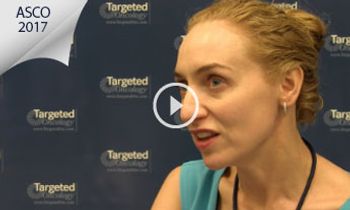
Georgina V. Long, BSc, PhD, MBBS, professor of medical melanoma oncology, Melanoma Institute Australia, discusses 5-year overall survival data from a phase II trial of dabrafenib (Tafinlar) and trametinib (Mekinist) in patients with <em>BRAF V600</em>-mutant unresectable or metastatic melanoma during the 2017 ASCO Annual Meeting.
Combining the PD-1 inhibitor pembrolizumab (Keytruda) with the HDAC inhibitor entinostat demonstrated promising clinical activity and acceptable safety in patients with melanoma who were refractory to immune checkpoint inhibitors.
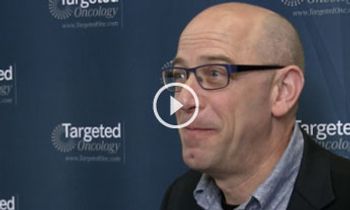
Charles M. Rudin, MD, PhD, chief, thoracic oncology, Memorial Sloan Kettering Cancer, discusses a study of intravenously delivered coxsackievirus A21 with pembrolizumab to treat patients with advanced cancers.

The Therapeutic Approach for Malignant Melanoma
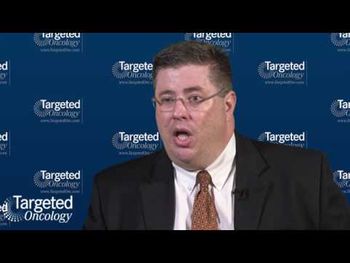


The Therapeutic Approach for Malignant Melanoma



Jedd D. Wolchok, MD, PhD, chief, Melanoma and Immunotherapeutics Service, Memorial Sloan Kettering Cancer Center, discusses a phase 1/1b first in-human study of IPI-549, a PI3K gamma inhibitor as monotherapy and in combination with pembrolizumab (Keytruda) in patients with advanced solid tumors.
Howard L. Kaufman, MD, a surgical oncologist at Rutgers Cancer Institute of New Jersey, discusses a study which showed further durable responses to avelumab (Bavencio) in patients with merkel cell carcinoma who progressed after chemotherapy.

Outcomes have significantly improved for patients with melanoma in the wake of newer targeted treatments. Yet, brain metastases from melanoma remain a significant unmet need, with up to 60% of patients with advanced melanoma developing brain metastases.

Treatment of Malignant Melanoma



Yousef Zakharia, MD, assistant professor, University of Iowa, Holden Comprehensive Cancer Center, discusses indoximod as an active IDO inhibitor in advanced melanoma.
The BRAF inhibitor encorafenib combined with the MEK inhibitor binimetinib reduced the risk of disease progression or death by 23% compared with single-agent encorafenib for patients with <em>BRAF</em>-mutant melanoma.
Advertisement
Advertisement
Trending on Targeted Oncology - Immunotherapy, Biomarkers, and Cancer Pathways
1
FDA Accepts NDA for Daraxonrasib in Metastatic Pancreatic Cancer
2
Advanced Renal Cell Carcinoma: Tailoring Second-Line Therapy After Prior Immunotherapy
3
FDA Approves Zidesamtinib for Previously Treated ROS1-Positive NSCLC
4
Teclistamab/Talquetamab Reduces Risk of Progression by 89% in R/R Multiple Myeloma
5