


Renal Cell Carcinoma
Latest News
Advertisement
Latest Videos






































Advertisement
More News
In an interview with Targeted Oncology, Bradley McGregor, MD, discussed the findings from the CheckMate-9ER study of nivolumab and cabozantinib as treatment of patients with advanced renal cell carcinoma, as well as the health-related QoL data supporting the use of this combination.

The FDA granted a Priority Review designation to the combination of nivolumab plus cabozantinib for the treatment of patients with advanced renal cell carcinoma.
In an interview with Targeted Oncology, Rana R. McKay, MD, discussed the findings from the CheckMate-9ER study of nivolumab plus cabozantinib in patients with advanced or metastatic renal cell carcinoma who had not been previously treated.

In a post hoc analysis of the randomized phase 3 SURTIME trial of patients with metastatic renal cell carcinoma, early treatment with sunitinib demonstrated better control over the disease as well as detection of progression before planned cytoreductive nephrectomy.

Robert Alter, MD, of John Theurer Cancer Center, describes the rationale for treating a 58-year-old male with advanced renal cell carcinoma with the combination of lenvatinib and everolimus following progression on first-line therapy.

Patients with advanced clear cell renal cell carcinoma treated with cabozantinib in combination with atezolizumab in the phase 1b COSMIC-021 study, had promising clinical activity, according to results from the study presented during the 2020 European Society of Medical Oncology Virtual Congress.
The use of molecularly-directed frontline therapy enriched responses in patients with metastatic clear cell renal cell carcinoma, demonstrating clinical evidence to support further use, according to findings from the noncomparative, phase 2, biomarker-driven BIONIKK trial.
At 4 years of follow-up, nivolumab and ipilimumab in combination as first-line therapy of advanced renal cell carcinoma demonstrated durable benefit versus sunitinib, according to research presented at the 2020 ESMO Virtual Congress.
Frontline nivolumab in combination with cabozantinib demonstrated a 49% reduction in the risk of disease progression or death as treatment of patients with advanced renal cell carcinoma.
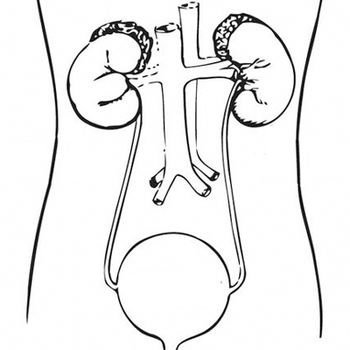
Real-world trial results demonstrated nivolumab had comparable overall survival results with those observed in the phase 3 CheckMate 025 study as treatment of patients with advanced renal cell carcinoma who received 1 or more prior lines of therapy.

Ulka Vaishampayan, MD, discusses the use of tivozanib as treatment of patients with advanced renal cell carcinoma, based on supportive data in the TIVO-3 clinical trial.

The combination of nivolumab plus ipilimumab demonstrated long-term survival and response benefits as treatment of poor- to intermediate-risk patients with advanced renal cell carcinoma with sarcomatoid features compared with sunitinib, according to published results from the phase 3 CheckMate 214 clinical trial.
A supplemental New Drug Application was submitted to the FDA for cabozantinib plus nivolumab as treatment of patients with advanced renal cell carcinoma.
Frontline ilixadencel in combination with sunitinib as utilized in newly diagnosed patients with metastatic renal cell carcinoma in the phase 2 MERECA clinical trial has updated survival data, which indicates continued survival benefit with the combination over sunitinib alone.

Vivek Subbiah, MD, discusses the frontline therapeutic options for patients with renal cell carcinoma.
The FDA has granted a Breakthrough Therapy designation to MK-6482, a novel HIF-2a inhibitor, as treatment of patients with von Hippel-Lindau disease-associated renal cell carcinoma who have non-metastatic tumors that measure less than 3 centimeters in size, unless immediate surgery is needed. The FDA has also granted an Orphan Drug designation to MK-6482 for the treatment of VHL disease alone.

The efficacy of nivolumab, as investigated in an interim analysis of the NORA study was confirmed as treatment of patients with advanced renal cell carcinoma who received 2 more prior lines of therapy.
Sunitinib Generates Clinical Activity After Immunotherapy Failure in Metastatic Renal Cell Carcinoma
Second-line sunitinib demonstrated clinical activity after failure on frontline immunotherapy in patients with metastatic renal cell carcinoma.



Advertisement
Advertisement
Trending on Targeted Oncology - Immunotherapy, Biomarkers, and Cancer Pathways
1
Denosumab Biosimilar Approved For Existing Oncology Indications
2
Giredestrant Plus Everolimus Improves PFS in ER+ Advanced Breast Cancer
3
FDA Oncology Recap: Approvals, Designations, and Decisions in September 2026
4
New Drug Application Filed for Savolitinib/Osimertinib in MET+ NSCLC
5