



Renal Cell Carcinoma
Latest News


Pivotal Phase 3 Trial Initiated to Study Promising Cabozantinib/Atezolizumab Combo in Advanced RCC
By Lisa Astor
Advertisement
Latest Videos







































Advertisement
More News

A pooled analysis of phase 3 clinical trials in advanced renal cell carcinoma showed that combination immunotherapy can reduce toxicity compared with sunitinib.

Chung-Han Lee, MD, PhD, discusses the efficacy of a phase 2 study of pembrolizumab and lenvatinib in patient with metastatic clear cell renal cell carcinoma who have progressed on an immune checkpoint inhibitor.
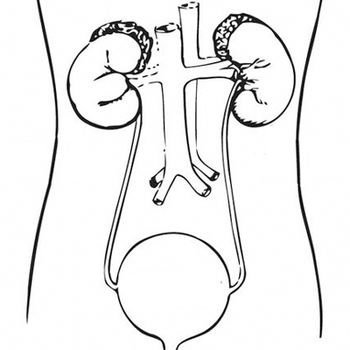
In an interview with Targeted Oncology, Scott Tykodi, MD, PhD, discussed findings from the analysis from the KEYNOTE-427 trial in patients with clear cell renal cell carcinoma.

Scott Tykodi, MD, PhD, discusses recent findings in the KEYNOTE-427 trial of pembrolizumab in patients with renal cell carcinoma.
“Nivolumab monotherapy represents an alternative frontline approach, particularly for the ipilimumab or VEGFR tyrosine kinase inhibitor averse and possible for those with IMDC favorable risk."

"The acceptance of our NDA filing marks yet another important milestone for AVEO, as we pursue our goal of providing RCC patients whose disease has relapsed or become refractory to multiple lines of therapy with a meaningful new treatment option."

Progression-free and overall survival in patients with previously untreated, advanced renal cell carcinoma continued to show improvements with the combination of pembrolizumab and axitinib versus sunitinib in the phase 3 KEYNOTE-426 trial.
An analysis of patients with advanced renal cell carcinoma revealed that systemic therapy with cabozantinib induced reliable responses for patients regardless of whether or not they had received prior immunotherapy, according to data that were presented as part of the 2020 American Society of Clinical Oncology Virtual Scientific Program.
"Although patient numbers and follow-up were limited, savolitinib demonstrated encouraging efficacy and an improved safety profile versus sunitinib."
"We believe the TIVO-3 data demonstrate a favorable risk/benefit profile for tivozanib in the growing population of patients who have relapsed or become refractory to multiple lines of therapy, including checkpoint inhibitors."

Yousef Zakharia, MD, discusses the next steps after the phase 1 trial of seleno-L-methionine in combination with axitinib as treatment of adult patients with previously treated or relapsed clear cell renal cell carcinoma.
In an interview with Targeted Oncology, Chung-Han Lee, MD, PhD, provided background on the phase 2 ENTRATA study and discussed the next steps with telaglenastat in the RCC treatment landscape.

Vivek Subbiah, MD, discusses the potential to combine tivozanib with other agents, particularly ipilimumab, as treatment of patients with renal cell carcinoma.

Yousef Zakharia, MD, discussed recent phase I data from a study of seleno-L-methionine in combination with axitinib as treatment of patients with previously treated or relapsed clear cell renal cell carcinoma. Zakharia recently presented these data as part of the American Urological Association Virtual Experience platform for the 2020 AUA Annual Meeting.
In an interview with Targeted Oncology, Scott Haake, MD, discussed the current understandings of SETD2 mutations in clear cell renal cell carcinoma and the findings presented at the 2019 International Kidney Cancer Symposium.
In an interview with Targeted Oncology, Toni K. Choueiri, MD, discussed the findings from the phase I/II study of the oral HIF-2 α inhibitor MK-6482 in patients with advanced clear cell RCC, which were presented at the 2020 Genitourinary Cancers Symposium.
"We are very excited to have received the RMAT designation for ilixadencel in kidney cancer as it recognizes both the potential of our novel therapeutic approach as well as the clear need for viable therapies to address this difficult-to-treat disease."
“The results that we’ve seen do suggest that there is some interaction between the two drugs, despite ongoing debate of whether this regimen after progression on a PD-1 inhibitor could be beneficial in clear cell renal cell carcinoma."
Bradley McGregor, MD, discusses a small study that evaluated the combination of atezolizumab and bevacizumab for the treatment of patients with non-clear cell renal cell carcinoma.
Cabozantinib achieved improvements in the progression-free survival, overall survival, and objective response rate in patients with previously treated advanced renal cell carcinoma compared with everolimus, according to data from the phase III METEOR study.
The FDA has accepted and granted a priority review to a supplemental Biologics License Application for pembrolizumab for the treatment of adult and pediatric patients with unresectable or metastatic solid tumors with tissue tumor mutational burden-high who have progressed following prior treatment and who have no satisfactory alternative treatment options.
Based on new data pertaining to already approved agents and emerging data for novel therapies in the treatment of kidney cancer, a greater understanding of combating advanced tumors is likely to emerge.
A New Drug Application has been submitted to the FDA for the vascular endothelial growth factor tyrosine kinase inhibitor tivozanib for the treatment of patients with relapsed or refractory renal cell carcinoma, according to a press release from AVEO Oncology.
An association was found between a lower risk of grade 3 or higher chemotherapy toxicity with higher body mass indexes and normal albumin, a protein made in the liver, levels in older adult patients with solid tumors, according to an analysis of a prospective, multicenter study.
A sudden surge in the cases of COVID-19 due to pandemic, along with efforts to contain it, has led to multiple challenges that no country has experienced in the last several decades. The global pandemic from COVID-19 poses a unique set of challenges not only for patients with cancer who need their treatment, but also for caregivers, oncologists, and the overall care team.
Advertisement
Advertisement
Trending on Targeted Oncology - Immunotherapy, Biomarkers, and Cancer Pathways
1
Denosumab Biosimilar Approved For Existing Oncology Indications
2
Giredestrant Plus Everolimus Improves PFS in ER+ Advanced Breast Cancer
3
FDA Oncology Recap: Approvals, Designations, and Decisions in September 2026
4
Plinabulin Receives FDA Fast Track Designation in Post-ICI NSCLC
5