



Renal Cell Carcinoma
Latest News
Advertisement
Latest Videos









































Advertisement
More News

Toni Choueiri, MD, director, Lank Center for Genitourinary Oncology, director, Kidney Cancer Center, senior physician, at Dana-Farber Cancer Institute, and Jerome and Nancy Kohlberg Chair and professor of medicine, at Harvard Medical School, highlights key trials in kidney cancer presented at the 2019 ASCO Annual Meeting.

A look back at all the FDA news that happened in the month of May 2019, including several new approvals, orphan drug designations, breakthrough therapy designations, fast track designations, and more.
The combination of avelumab (Bavencio) and axitinib (Inlyta) has been approved by the FDA for the frontline treatment of patients with advanced renal cell carcinoma, based on findings from the phase III JAVELIN Renal 101 trial.
The FDA has granted P-BCMA-101 with an orphan drug designation for the treatment of patients with relapsed and/or refractory multiple myeloma.
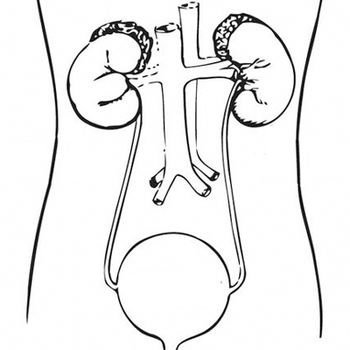
A phase III clinical trial evaluating cabozantinib (Cabometyx) in combination with nivolumab (Opdivo) and ipilimumab (Yervoy) in patients with previously untreated advanced renal cell carcinoma has been initiated, according to Exelixis, the developer of cabozantinib.
A look back at all the FDA news that happened in the month of April 2019, including several new approvals, a priority review, breakthrough designation, and more.
Pembrolizumab (Keytruda) has received approval from the FDA in combination with axitinib (Inlyta) for the frontline treatment of patients with advanced renal cell carcinoma, based on phase III findings from the KEYNOTE-426 trial.
The results of several studies presented at the 2019 Genitourinary Cancers Symposium confirmed that the combination of PD-1/PD-L1 checkpoint inhibitors with tyrosine kinase inhibitors of the VEGF pathway was superior to VEGF inhibitors alone in patients with clear cell renal cell carcinoma, which accounts for about 70% of patients with kidney cancer.

A discussion between regulators and special interest groups has cooled some of the excitement generated by the emergence of chimeric antigen receptor T-cell therapy for treating hematologic cancers.
Before a community oncology practice considers getting involved in clinical trials research, there are many factorsto consider. Perhaps foremost is the fact that cancer clinical trials provide the evidence base for new advances in oncology.
Artificial intelligence has made inroads in many industries—banking, finance, security—but its adoption in healthcare has been lagging and real-world clinical implementation has yet to become a reality. Nonetheless, proponents say it is only a matter of time and pilot programs are starting to yield some practical results.

Frederick L. Locke, MD, discusses how chimeric antigen receptor (CAR) T-cell therapies have evolved over the last 30 years of research in the field of hematologic malignancies.

The success of chimeric antigen receptor T-cell therapy observed in hematologic malignancies has not yet translated into the solid tumor setting; however, efforts continue to try to bring this new modality into the treatment paradigm for solid tumors, including pancreatic cancer.
Under the 2019 update to the National Comprehensive Cancer Network guidelines, the recommendation on the management of advanced clear cell renal cell carcinoma has undergone a major shift in defining the risk category used to define preferred and alternative first-line treatments.
The healthcare community is still awaiting a response from the Centers for Medicare & Medicaid Services to the opposition of the agency’s proposal to substantially revise the Medicare Part D protected drug classes.
Overtreating men 70 years or older with prostate cancer cost Medicare more than $1.2 billion from 2004 to 2007, according to the results of a retrospective study using the Surveillance, Epidemiology, and End Results–Medicare linked database.
First-line treatment with single-agent pembrolizumab induced a 24.8% overall response rate in patients with non-clear cell renal cell carcinoma, according to findings from cohort B of the phase II KEYNOTE-427 trial that were presented during the 2019 Genitourinary Cancers Symposium.<br />
According to phase I findings from a dose-escalation cohort presented during the 2019 Genitourinary Cancers Symposium, the combination of pembrolizumab and cabozantinib demonstrated antitumor activity in patients with previously treated metastatic renal cell carcinoma and is tolerated at their approved doses for this indication.
A supplemental biologics license application for the combination of pembrolizumab and axitinib has received a priority review designation from the FDA as a frontline treatment for patients with advanced renal cell carcinoma, primarily based on data from the phase III KEYNOTE-426 study.
In updated 30-month follow-up data from the phase III CheckMate-214 trial, nivolumab combined with low-dose ipilimumab sustained strong responses and a survival benefit as a frontline treatment for patients with intermediate- and poor-risk advanced renal cell carcinoma.
The combination of avelumab and axitinib has been given a priority review designation by the FDA for the treatment of patients with advanced renal cell carcinoma.
Findings from the phase III KEYNOTE-426 study demonstrated a significantly improved progression-free survival and overall survival with the combination pembrolizumab plus axitinib versus sunitinib in previously-untreated patients with clear cell metastatic renal cell carcinoma, according to a prescast ahead of the 2019 Genitourinary Cancers Symposium.
Based on a recommendation from the FDA, Aveo Oncology has decided not to submit a new drug application for tivozanib. The FDA has advised it was not satisfied with the preliminary overall survival data from the phase III TIVO-3 trial of patients with highly refractory, advanced or metastatic renal cell carcinoma.


Advertisement
Advertisement
Trending on Targeted Oncology - Immunotherapy, Biomarkers, and Cancer Pathways
1
Denosumab Biosimilar Approved For Existing Oncology Indications
2
FDA Oncology Recap: Approvals, Designations, and Decisions in September 2026
3
Giredestrant Plus Everolimus Improves PFS in ER+ Advanced Breast Cancer
4
Plinabulin Receives FDA Fast Track Designation in Post-ICI NSCLC
5