

Renal Cell Carcinoma
Latest News
Advertisement
Latest Videos







































Advertisement
More News





General Cancer
Toni K. Choueiri, MD, discusses the current role of immunotherapy in the treatment of patients with renal cell carcinoma.
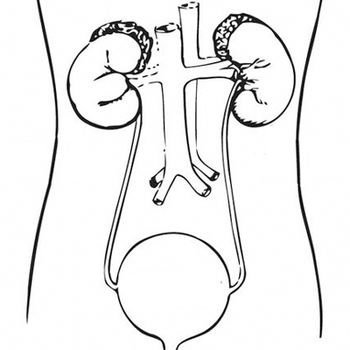
Treatment with the immune checkpoint inhibitor nivolumab demonstrated dose-limiting toxicities when combined with the tyrosine kinase inhibitors sunitinib or pazopanib to treat advanced or metastatic renal cell carcinoma, according to the results of a phase I parallel cohort dose escalation trial. However, both combinations showed encouraging preliminary antitumor activity.
Paul R. Eber, MD, discusses how the findings from the phase III CARMENA trial impact mRCC treatment and what challenges remain.<br />
Patients with advanced renal cell carcinoma who received cabozantinib demonstrated improved clinical outcomes compared with patients who received everolimus in a subgroup analysis of clinical outcomes from the phase III METEOR trial.

Patients with metastatic renal and urothelial bladder cancer who receive antibiotics concomitantly with immune checkpoint inhibitors have shorter progression-free survival and overall survival rates than patients who do not, according to a poster presented at the European Congress on Immunotherapies in Cancer™ conference, hosted by Physicians’ Education Resource®, LLC, September 21 and 22, 2018, in Barcelona, Spain.
Toni K. Choueiri, MD, discusses pivotal phase III findings for the combination of axitinib plus avelumab in previously untreated patients with metastatic renal cell carcinoma.
Robert A. Figlin, MD director, division of hematology/oncology, professor of biomedical sciences and medicine, Cedars-Sinai Medical Center, discusses the considerations behind selecting an immune-oncology agent for the treatment of patients with renal cell carcinoma.
Nivolumab in combination with low-dose ipilimumab has been recommended by the European Medicines Agency’s Committee for Medicinal Products for Human Use as treatment for patients with intermediate- and poor-risk advanced renal cell carcinoma in the frontline setting, according to Bristol-Meyers Squibb, the developer of both immunotherapy agents.
Distinct subgroups of patients with renal cell carcinoma defined by gene expression signatures were correlated with improved progression-free survival with immunotherapy or a targeted agent, an analysis of the phase II IMmotion151 trial showed.<br />
According to topline findings from the phase III TIVO-3 trial, tivozanib (Fotivda) reduced the risk of disease progression or death by 26% compared with sorafenib (Nexavar) in patients with highly refractory advanced or metastatic renal cell carcinoma.
Robert A. Figlin, MD, director, Division of Hematology/Oncology, professor of biomedical sciences and medicine, Cedars-Sinai Medical Center, discusses the potential for immunotherapy/TKI combinations in the treatment of advanced renal cell carcinoma.
James L. Wade III, MD, FACP, FASCO, discusses the importance of clinical trials in the community.
Ulka Vaishampayan, MD, discussed the data reported from the phase Ib JAVELIN Solid Tumor trial at the ESMO 2018 Congress and addressed how these data will affect the treatment landscape for patients with advanced RCC.

In an interview with <em>Targeted Oncology, </em>Brian I. Rini, MD, discussed these core findings from the IMmotion 151 trial he presented at the conference, as well as the implications of these findings in RCC moving forward.
Brian I. Rini, MD, professor of medicine at the Cleveland Clinic, discusses how data should be looked at between 2 combinations for the treatment of renal cell carcinoma. He says atezolizumab plus bevacizumab will never be compared head to head with ipilimumab plus nivolumab.
I think one of the most important advancements in biomedical technology that has improved our understanding of the complexities of cancer is the ability to sequence the cancer genome for any individual patient, in a rapid and cost-effective manner, to help us make treatment decisions in the clinic.
Groundbreaking developments in cancer therapies can change lives, extending survival and sending patients who previously thought their chances were slim into remission. But these therapies come at a cost, and many patients reel at the prospect of heavy financial burdens. To help patients and programs meet the challenges of affording cancer treatments, community cancer centers are expanding the role of financial advocates in their organizations.

Thomas A. Gallo, MS, MDA, president of the Association of Community Cancer Centers, discusses his mission as president to “reflect, renew, and reignite” in order to create a more resilient oncology team for the community.
Advertisement
Advertisement
Trending on Targeted Oncology - Immunotherapy, Biomarkers, and Cancer Pathways
1
Denosumab Biosimilar Approved For Existing Oncology Indications
2
FDA Oncology Recap: Approvals, Designations, and Decisions in September 2026
3
Giredestrant Plus Everolimus Improves PFS in ER+ Advanced Breast Cancer
4
Plinabulin Receives FDA Fast Track Designation in Post-ICI NSCLC
5