


Renal Cell Carcinoma
Latest News
Advertisement
Latest Videos








































Advertisement
More News
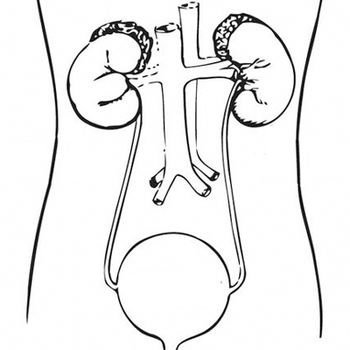
Patients who have intermediate or poor-risk advanced renal cell carcinoma may see extended progression-free survival and overall survival in a phase II trial comparing pazopanib with temsirolimus, according to a presentation by Nizar M. Tannir, MD, FACP, at the 2018 Genitourinary Cancers Symposium.



Therapeutic Approach for Metastatic Renal Cell Carcinoma





Intermediate-Risk Newly Diagnosed Metastatic Renal Cell Carcinoma
The phase III ADAPT trial investigating rocapuldencel-T in patients with metastatic renal cell carcinoma has been stopped by Argos Therapeutics after findings of an interim analysis revealed the immunotherapy was unlikely to meet any of the primary endpoints.
Neeraj Agarwal, MD, recently discussed the treatment considerations and decisions he makes when treating patients with renal cell carcinoma. Agarwal, director of the Genitourinary Oncology Program, University of Utah School of Medicine, explained his treatment decisions based on a case scenario during a <em>Targeted Oncology </em>live case-based peer perspectives presentation.

Based on data from the phase III CheckMate-214 trial, the combination of nivolumab (Opdivo) and ipilimumab (Yervoy) has been approved by the FDA as a frontline treatment for intermediate- and poor-risk patients with advanced renal cell carcinoma.

Martin H. Voss, MD, an assistant attending at Memorial Sloan Kettering Cancer Center, discusses recent data supporting the use of neoadjuvant therapy in patients with locally advanced kidney cancer.
According to findings from the phase III ATLAS trial, disease-free survival was not extended with adjuvant axitinib (Inlyta) versus placebo for patients at high risk of recurrent renal cell carcinoma after nephrectomy.
Ani S. Balmanoukian, MD, discusses immunotherapy developments in GU malignancies
Treatment of renal cell carcinoma (RCC) is awaiting the potential integration of combinations of immuno-oncology agents like nivolumab (Opdivo) and ipilimumab (Yervoy), or combinations of targeted therapies with checkpoint inhibitors into the treatment paradigm. In an interview with <em>Targeted Oncology</em>, Robert A. Figlin, MD, discusses the expanding RCC armamentarium and balancing the benefits and risks of standard and emerging treatments to achieve optimal outcomes.
Hans Hammers, MD, PhD, associate professor at the University of Texas Southwestern Medical Center, discusses what he believes is most important in future investigation for the treatment of patients with renal cell carcinoma. With combination therapies on the rise in the field of kidney cancers, new pivotal and early clinical trials are constantly arising looking at new combination regimens.
Advertisement
Advertisement
Trending on Targeted Oncology - Immunotherapy, Biomarkers, and Cancer Pathways
1
Denosumab Biosimilar Approved For Existing Oncology Indications
2
Plinabulin Receives FDA Fast Track Designation in Post-ICI NSCLC
3
FDA Oncology Recap: Approvals, Designations, and Decisions in September 2026
4
Giredestrant Plus Everolimus Improves PFS in ER+ Advanced Breast Cancer
5