

Renal Cell Carcinoma
Latest News
Advertisement
Latest Videos





































Advertisement
More News

Kidney Cancer


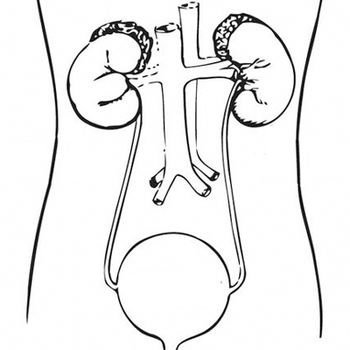
Newer combination regimens are about to make their way into the treatment paradigm in RCC, with promising data fueling excitement for these approaching regimens. Each of the combinations approaching addition to the treatment paradigm for patients with RCC incorporates immunotherapy, demonstrating the growing role of this modality.
Lenvatinib mesylate, an oral tyrosine kinase inhibitor, will continue to be developed and commercialized worldwide by its creator, Japan’s Eisai Co. Ltd, in a strategic collaboration with Merck, which is better known as MSD outside of the United States and Canada. The partnership between the 2 companies was announced on March 7.




Lung Cancer
Based on data from the phase III S-TRAC trial,<span style="font-size:10.8333px"> </span>the European Medicines Agency’s Committee for Medicinal Products for Human Use recently recommended against approving sunitinib for use as an adjuvant therapy in patients with renal cell carcinoma who have received nephrectomy and are high risk for recurrence.

The FDA has approved a 4-week dosing schedule for the PD-1 inhibitor nivolumab (Opdivo) across several indications.
Robert A. Figlin, MD, Steven Spielberg Family Chair in Hematology-Oncology, professor of medicine, and director, Division of Hematology/Oncology, Cedars-Sinai Medical Center, recently discussed the cases of 2 patients with metastatic renal cell carcinoma.

According to findings from the phase III REFLECT trial now published online in the <em>Lancet,</em><sup> </sup>lenvatinib improved progression-free survival and was noninferior for overall survival compared with sorafenib for the frontline treatment of patients with unresectable hepatocellular carcinoma.
Advertisement
Advertisement
Trending on Targeted Oncology - Immunotherapy, Biomarkers, and Cancer Pathways
1
Denosumab Biosimilar Approved For Existing Oncology Indications
2
Plinabulin Receives FDA Fast Track Designation in Post-ICI NSCLC
3
FDA Oncology Recap: Approvals, Designations, and Decisions in September 2026
4
Giredestrant Plus Everolimus Improves PFS in ER+ Advanced Breast Cancer
5