


THYROID CANCERS
Latest News
Advertisement
Latest Videos








































Advertisement
More News
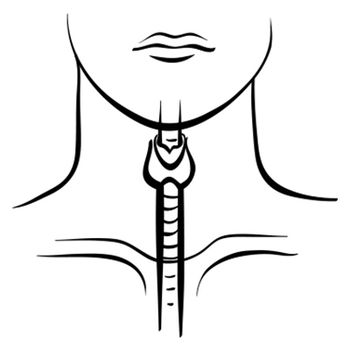
In an interview with Targeted Oncology, Maria E. Cabanillas, MD, discussed the evolution she has observed in thyroid cancer in terms of the use of targeted therapies and other important milestones for this patient population.
A real-world study assessed the performance of this system in patients with differentiated thyroid cancer and discovered that the system is reliable for predicting short-term outcomes.
Selpercatinib demonstrated durable efficacy as treatment of patients with medullary thyroid cancer harboring the RET mutation whether or not they received prior vandetanib or cabozantinib in the phase 1/2 LIBRETTO-001 study.


A discussion on the management of a 64-year-old man with differentiated thyroid cancer, with special consider of the phase 3 SELECT trial regimen.
Experts suspect the rising incidence of thyroid cancer may be related to the growing scrutiny of the thyroid gland with ultrasonography or other diagnostic techniques, but overdiagnosis may be a growing factor in the field.

Marcia Brose, MD, PhD, discusses how the thyroid cancer treatment landscape will be impacted by the positive findings regarding larotrectinib in the presence of a TRK fusion.
Pazopanib Activity in RAI-Refractory Differentiated Thyroid Cancer Corroborated in Prospective Study
Pazopanib was confirmed active with manageable toxicities as treatment of patients with progressive radioactive-iodine–refractory differentiated thyroid cancer, based on results of a prospective study.
A phase 2 clinical trial of radioactive iodine–refractory differentiated thyroid cancer demonstrated that the lenvatinib starting dose of 24 mg is superior to the lower dose of 18 mg, missing the noninferiority primary end point of the study.

Lori Wirth, MD, provides insight on the case of a 67-year-old woman with differentiated thyroid cancer and examines the management of radioiodine-refractory disease.
Marcia Brose, MD, PhD, discusses the importance of genomic testing in patients with thyroid cancer.

A post-hoc analysis of the phase III ZETA trial shows that vandetanib improved PFS in medullary thyroid cancer.

"Pralsetinib has broad potential to address the medical needs of patients with RET-altered cancers, who have not traditionally benefited from targeted therapy even though their tumors have a known disease driver."
In an interview with Targeted Oncology, Marcia Brose, MD, PhD, discussed the importance of conducting genetic testing on all patients with metastatic solid tumors following the exciting data on larotrectinib.
In an interview with Targeted Oncology, Marcia Brose, MD, PhD, discussed the role of genetic testing in patients with thyroid cancer and the current treatment landscape.
Marcia Brose, MD, PhD, discusses the treatment options for patients with thyroid cancer and NTRK fusions.
Advertisement
Advertisement
Trending on Targeted Oncology - Immunotherapy, Biomarkers, and Cancer Pathways
1
Anito-Cel Delivers Durable Responses With Low Neurotoxicity in RRMM
2
Risk, Histology, and Metastatic Site Guide First-Line RCC Treatment Choices
3
FDA Application Withdrawn for I-DXd in Small Cell Lung Cancer
4
Frontline CAR T and Bispecific Antibodies Are the Next Frontier in Myeloma
5