
THYROID CANCERS
Latest News
Advertisement
Latest Videos









































Advertisement
More News
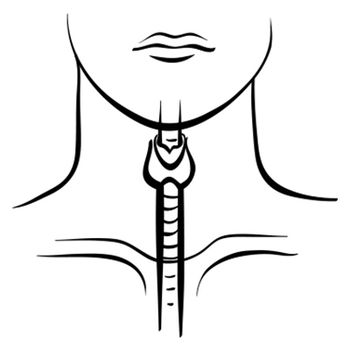
In an interview with <em>Targeted Oncology</em>, Catherine Sinclair, MD, discussed the importance of early detection in patients with thyroid cancer. She also highlighted surgical decisions for these patients and how she makes these choices for each patient.

Winston Tan, MD, discusses the current treatment landscape for patients with thyroid cancer. He highlighted the importance of first determining if a patient with thyroid cancer has benign or malignant thyroid nodules, which can be identified with the use of diagnostic biopsies. He also discussed the standard-of-care treatment options for these different subtypes of patients once they are identified.
A new exploratory study has found that increased levels of plasma VEGF-A and serum thyroglobulin adversely affected clinical outcomes in patients with radioactive iodine-refractory differentiated thyroid cancer, although no biomarker successfully predicted sorafenib response. This study, which was published recently in Clinical Cancer Research, was a retrospective analysis conducted using samples from the earlier phase III DECISION trial.

The FDA has approved a supplemental New Drug Application for a single dose of aprepitant injectable emulsion for intravenous use in patients receiving moderately emetogenic chemotherapy. The approval expands the dose for aprepitant to include a 130 mg single-dose regimen for the prevention of acute and delayed chemotherapy-induced nausea and vomiting.<br />
In an interview with <em>Targeted Oncology</em>, Dr. Miles, discussed the importance of early detection for patients with thyroid cancer. He also highlighted how the treatment options differ for patients with disease that is caught early on versus those with more advanced and aggressive diseases, such as anaplastic thyroid cancer.<br />
Marcelo C. Pasquini, MD, discusses the rationale for analyzing real-world data for the use of tisagenlecleucel, a chimeric antigen receptor T-cell therapy, as a treatment for patients with acute lymphoblastic leukemia and diffuse large B-cell lymphoma. This CD19 CAR T cell was approved 2 years ago for use in both ALL and DLBCL.
The addition of direct oral oral anticoagulants for the management of venous thromboembolism in patients with cancer is the latest change to previous guidelines issued by the American Society of Clinical Oncology.

Using a measure known as the growth modulation index, patients with TRK fusion–positive cancers who were treated with larotrectinib had a clinically meaningful improvement in progression-free survival compared with the time to progression on their prior treatment, an analysis of patients enrolled in 1 of 3 clinical trials has found.
Strong objective responses rates were seen in the phase I/II LIBRETTO trial, which studied RET inhibition with selpercatinib in patients with <em>RET</em>-mutant medullary thyroid cancer and for those with other <em>RET</em> fusion-positive thyroid cancer. The registrational findings were recently presented at ESMO Congress 2019.
Three clinical trials presented at the 2019 ESMO Congress show that the tropomyosin receptor kinase inhibitor larotrectinib continues to show anti-tumor activity, including long-lasting objective responses and low toxicity, according to results from an integrated analysis.
Now in it 24th year, the annual International Congress on Hematologic Malignancies: Focus on Leukemias, Lymphomas, and Myeloma, hosted by Physicians’ Education Resource, LLC, continues to bring significant advances in hematology to the forefront.
Andrew Turk, MD, discusses the main factors that can be used to determine whether a patient presenting with thyroid cancer has an indolent form of the disease or a more aggressive thyroid cancer.
In an interview with <em>Targeted Oncology</em>, Raymond L. Chai, MD, discussed the latest treatment advancements for thyroid cancer that he has seen over the past few years and how he sees quality of life improving for patients with advanced subtypes of thyroid cancer. He also shared a personal message for oncologists in honor of Thyroid Cancer Awareness Month.

To improve the efficacy of chimeric antigen receptor T-cell therapies, Nirali N. Shah, MD, MHSc, suggested including new constructs that target more than 1 antigen in patients with acute lymphoblastic leukemia, during a presentation at the 2019 SOHO Annual Meeting.<br />
Treatment with selpercatinib induced responses in 68% of patients with <em>RET </em>fusion–positive non–small cell lung cancer, according to findings from the phase I/II LIBRETTO-001 trial.
Radioiodine and Multimodal Therapy Increases Survival Over Radioiodine Monotherapy in Metastatic DTC
A small retrospective study has found that patients who had differentiated thyroid cancer with bone metastasis and received radioiodine treatment in combination with one or more non-<sup>131</sup>I direct and systemic treatments experienced increased overall survival compared with patients who received only <sup>131</sup>I treatment.
In an interview with Targeted Oncology, Evert F.S. van Velsen, MD, MSc, discussed the evaluation of the 2015 ATA Risk Stratification in patients with DTC, including patients with PTC and FTC. He also highlighted challenges in treating patients that have been defined as high-risk for recurrence.
In an interview with Targeted Oncology, Sattva S. Neelapu, MD, discussed the evolving role for CAR T-cell therapy in patients with B-cell lymphomas. He also highlighted the toxicities commonly associated with these therapies and how physicians can treat these AEs as they arise.

Andrew Turk, MD, discusses targeted agents that are making a splash in the treatment landscape of thyroid cancers, including the most aggressive form of the disease, anaplastic thyroid carcinoma. He says targeted agents have already become well established in the space of thyroid cancers, but these agents continue to evolve.
PD-L1 positivity in patients with medullary thyroid cancer is associated with more aggressive clinicopathological features and predictive of structural and biochemical recurrences, according to the results of a retrospective Chinese study.
A recent study of patients with differentiated thyroid cancer (DTC) who were surveyed about their perceived choice in receiving radioactive iodine (RAI) treatment suggests the need for increased shared decision making between physicians and their patients regarding treatment choices.
A neoadjuvant regimen of dabrafenib plus trametinib in patients with <em>BRAF </em>V600E–mutated anaplastic thyroid carcinoma offered a feasible way to prepare patients for life-extending and quality-of-life-enhancing surgical resection, according to the results of a case series report of patients with locoregionally advanced ATC at The University of Texas MD Anderson Cancer Center.
The initial pilot study of CTL019 in heavily pretreated CD19-positive hematologic malignancies demonstrated the feasibility of CAR T-cell therapy in patients with CLL. A presentation at the 2019 American Society of Gene & Cell Therapy Annual Meeting reported 2 cases of chemotherapy-resistant CLL, with ongoing follow- up at 8 years showing persistence of CAR-engineered T cells and sustained remission, as determined by flow cytometry and deep sequencing of immunoglobulin H rearrangements.
In an interview with <em>Targeted Oncology</em>, Chong, a fellow at the University of Pennsylvania, discussed the 4-year follow-up data for CAR T cells in patients with DLBCL and FL. She also addressed the challenges that need to be overcome in order to give more patients access to this type of therapy.
In the phase I/II TRANSCEND CLL 004 study, chimeric antigen receptor T-cell therapy lisocabtagene maraleucel led to undetectable minimal residual disease in patients with relapsed/refractory chronic lymphocytic leukemia.
Advertisement
Advertisement
Trending on Targeted Oncology - Immunotherapy, Biomarkers, and Cancer Pathways
1
Anito-Cel Delivers Durable Responses With Low Neurotoxicity in RRMM
2
Risk, Histology, and Metastatic Site Guide First-Line RCC Treatment Choices
3
FDA Application Withdrawn for I-DXd in Small Cell Lung Cancer
4
Frontline CAR T and Bispecific Antibodies Are the Next Frontier in Myeloma
5