
Risk of relapse was significantly greater for those with acute lymphoblastic leukemia who had low minimal residual disease of less than 10-4 vs those with undetectable MRD, according to results of a retrospective study.

Risk of relapse was significantly greater for those with acute lymphoblastic leukemia who had low minimal residual disease of less than 10-4 vs those with undetectable MRD, according to results of a retrospective study.
The first-in-human phase 1 trial of ADI-001 as a treatment for patients with relapsed/refractory B-cell non-Hodgkin lymphoma led to responses and a favorable safety profile.

Findings from the phase 2 DALY II USA trial showed that the 28-day objective response rate was 78% with freshly administered zamtocabtagene autoleucel, exceeding the prespecified efficacy threshold for interim analysis.
Data comparing 4 donor types showed matched sibling donors to be preferred in patients with myelofibrosis, according to a presentation given at the 2023 Transplantation and Cellular Therapy Meeting.

JSP191 combined with fludarabine, and low-dose total body radiation demonstrated facilitation of full donor myeloid chimerism, clearing of minimal residual disease, and a well-tolerated safety profile in older patients with myelodysplastic syndrome/acute myeloid leukemia receiving non-myeloablative allogenic hematopoietic cell transplantation.
Looking at 4 CAR T-cell agents for the treatment of large B-cell lymphoma, a systematic review and analysis showed that these therapies do not appear to increase the risk of cytokine release syndrome or immune effector cell–associated neurotoxicity syndrome.
Findings from an analysis of the KarMMa study in patients with multiple myeloma signal that certain baseline characteristics are predictive of response to chimeric antigen receptor T-cell therapy.
Based on an interim analysis of a randomized phase 2 trial, use of topical ruxolitinib showed reduced body surface area of chronic graft-versus-host disease.
Continued benefit of axicabtagene ciloleucel in patients with relapse/refractory indolent non-Hodgkin lymphoma was observed in the phase 2 ZUMA-5 clinical trial.
In patients with relapsed/refractory large B-cell lymphoma, the chimeric antigen receptor T-cell agent, lisocabtagene maraleucel demonstrated durable responses.
The majority of patients treated in a phase 1 trial of belimumab used as chronic graft-vs-host-disease prophylaxis showed no evidence of the disease after 20 months of follow-up.
In a phase 2 trial, rates of steroid-refractory chronic graft versus host disease and prednisone use following treatment with abatacept after stem cell transplant were reduced.
In the prospective, double-blind, phase 2 randomized controlled trial, in which investigators evaluated the efficacy and safety of topical ruxolitinib, a novel gene signature was identified.
According to a long-term analysis of the ZUMA-1 study, the overall survival rate yielded by axicabtagene ciloleucel may support 1- and 2-year event-free survival as a surrogate end point in relapsed/refractory large B-cell lymphoma.
Frontline treatment with axicabtagene ciloleucel demonstrated a high rate of rapid and durable responses in patients with high-risk large B-cell lymphoma in the phase 2 ZUMA-12 study.
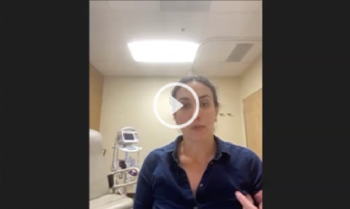
Anne Wooford, MD, provides background on her presentation around allogeneic stem cell transplant for the 2022 Transplantation & Cellular Therapy Meetings.

For the treatment of patients with newly diagnosed acute graft-versus-host disease, itolizumab has demonstrated promise in part A of the multicenter dose-ascending phase 1b/2 EQUATE study.
Results from the phase 3, randomized REACH3 trial further demonstrated the benefit of ruxolitinib over BAT in rates for failure-free survival, symptom improvement, and duration of response.
Data presented during the 2021 Transplantation and Cellular Therapy Meeting showed that treatment with Orca-T, achieved a significant reduction in cases of graft-versus-host disease and other impressive outcomes.

Haris Ali, MD, discusses the results of a study evaluating peri-transplant ruxolitinib in patients with myelofibrosis.
Results from 2 phase 3 clinical trials showed that use of the investigational gene cell therapy betibeglogene autotemcel led to durable transfusion independence in 87% of pediatric patients under the age of 18 years with transfusion-dependent beta-thalassemia.
Data from a prospective pilot trial presented at the 2021 Transplantation and Cellular Therapy Meetings show that a maximum dose of 10 mg of ruxolitinib given peri-transplant is a safe and feasible treatment for patients with myelofibrosis.

Michael Bishop, MD, discusses the impact of chimeric antigen receptor T cell therapy across hematologic malignancies.
Treatment with axicabtagene ciloleucel is less likely to induce responses in patients with refractory large B-cell lymphoma who have never achieved a complete response to any line of prior therapy, according to findings from a single-center retrospective analysis.
Ruxolitinib was found to be safe for utilization in children after a pediatric dosing algorithm was tested in patients with chronic graft-versus-host disease and induced responses.
In a pivotal phase 2 trial, administration of narsoplimab to patients with high-risk hematopoietic stem cell transplant-associated thrombotic microangiopathy led to impressive responses and a favorable survival benefit.
A post-hoc analysis of the practice-changing TRANSCEND NHL 001 trial revealed that exposure to anti-CD19 therapy in patients with relapsed/refractory large B-cell lymphoma, did not impact response to lisocabtagene maraleucel.
Finding presented on patients with hematologic malignancies at the 2021 Transplantation and Cellular Therapy Meetings of ASTCT and CIBMTR show that patients who had undergone a hematopoietic stem cell transplantation can accumulate effective immunity against SARS-CoV2 infection and non-SARS human coronaviruses.
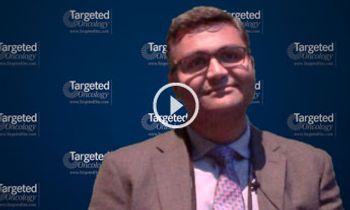
Rushang D. Patel, MD, discusses the background to the single center experience with ruxolitinib as treatment of patients with chronic graft-versus-host disease.
Evolving data about possible therapeutic targets for the treatment of transplant-associated thrombotic microangiopathy may introduce narsoplimab as a new therapy for management of patients with this challenging complication.