Michael Wang, MD, gives a brief overview of the safety and efficacy findings of a phase 1b study evaluating acalabrutinib plus venetoclax and rituximab in patients with mantle cell lymphoma.

Michael Wang, MD, gives a brief overview of the safety and efficacy findings of a phase 1b study evaluating acalabrutinib plus venetoclax and rituximab in patients with mantle cell lymphoma.

Robert J. Soiffer, MD, discusses the use of stem cell transplant in treating hematologic malignancies prior to the availability of chimeric antigen receptor T-cell products.
Marcin Kortylewski, PhD, discusses what research he believes is next to come in the acute myeloid leukemia space.

Cary Gross, MD, discusses the results of a retrospective study of patients with advanced non-small cell lung cancer that showed an association between Medicaid insurance, rates of biomarker testing, and patient outcomes.

In an interview with Targeted Oncology, Lori Wirth, MD, discussed the evolving treatment landscape for NTRK fusion-positive thyroid cancers.
Raajit Rampal, MD, PhD, discusses his recommended approach to assessing and treating patients with myelofibrosis.

Sarah C. Rutherford, MD, discussed how findings from her research could impact the current guidelines for follicular lymphoma.
Manali Kamdar, MD, MBBS, discusses the efficacy and tolerability of a phase 1 clinical trial testing a novel anti-CD19 chimeric antigen receptor T-cell product in adults with relapsed/refractory B-cell lymphoma.

Lori J. Wirth, MD, discusses a new assay with the ability to perform DNA and RNA sequencing to better detect gene fusions.

In an interview with Targeted Oncology, Jamie Brett and Seth Wander, MD, PhD, discussed recent findings regarding CDK4/6 for patients with hormone receptor-positive metastatic breast cancer with ESR1 alterations.
Samuel J. Klempner, MD, discusses the preliminary results of a study of the investigational agent DKN-01 for patients with gastroesophageal adenocarcinoma.

Debra A. Patt, MD, PhD, MBA, discussed the use of digital health systems, particularly at Texas Oncology locations, and how it can help patients and providers strengthen their relationships.
Shana Wingo, MD, discusses the key goals of the partnership between community oncology practices and American Oncology Network.

Erika P. Hamilton, MD, discusses the evolution of fam-trastuzumab deruxtecan-nxki through its examination in various trials.
Lori J. Wirth, MD, explains the role of NTRK inhibitor in TRK fusion-positive thyroid cancer treatment.

Alexander Drilon, MD, discusses the differences in how TRK fusions manifest in older patients vs younger patients.

Michael J. Morris, MD, discusses the results of the VISION trial of 177-lutetium-PSMA-61 in patients with metastatic castration-resistant prostate cancer.

Hagop M. Kantarjian, MD, discusses the impact of prominent treatments in acute lymphoblastic leukemia.
Bruce Feinberg, DO, explains how chimeric antigen receptor T cells were introduced in hematologic malignancies.
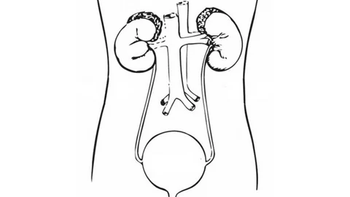
In an interview with Targeted Oncology, Vignesh Packiam, MD, discussed the research of gemcitabine plus cabazitaxel and pembrolizumab in patients with non-muscle invasive urothelial carcinoma who are unresponsive to docetaxel.
Bradley Monk, MD, FACCOG, FACS, discusses main takeaways from the OUTBACK trial of adjuvant chemotherapy following chemoradiation as primary treatment in patients with locally advanced cervical cancer vs chemoradiation alone.
Mazyar Shadman, MD, MPH, discusses the results of his research on MB-106 as treatment for patients with relapsed or refractory B-cell non-Hodgkin lymphoma and chronic lymphocytic leukemia.

In an interview with Targeted Oncology, Gerald Falchook, MD, discusses the efficacy and safety of cobolimab with or without nivolumab and dostarlimab, as evaluated in the phase 1 AMBER trial.
Wesley Burkett, MD, discusses a preclinical study of dietary intervention for patients with endometrial cancer.
Valencia Thomas, MD, MHCM, MD Anderson Cancer Center, discusses the future for managing care in patients with non-melanoma skin cancers.

In an interview with Targeted Oncology, Mary O’Brien, MD, discussed background of the second interim analysis of the triple-blind, phase 3 PEARLS/KEYNOTE-091 study.

Adam Weiner, MD, discusses the importance of molecular testing for prostate cancer and what the current targeted therapy landscape looks like for this disease.
In an interview with Targeted Oncology, Lajos Pusztai, MD, DPhil, discussed the updated findings of the phase 3 KEYNOTE-522 clinical trial of pembrolizumab plus chemotherapy in patients with TNBC vs placebo plus chemotherapy.
Yonina R. Murciano-Goroff, MD, MSc, DPhil, addresses remaining clinical questions for the treatment of MET fusion positive patients with non–small cell lung cancer.

Gabriela Hobbs, MD, discusses the unmet needs that have yet to be filled in the post-myeloproliferative neoplasm acute leukemia space.