
Vivek Subbiah, MD, discusses the adverse events that come with the use of kinase inhibitors to treat patients with thyroid cancer.

Vivek Subbiah, MD, discusses the adverse events that come with the use of kinase inhibitors to treat patients with thyroid cancer.
Naomi B. Haas, MD, discusses how patient characteristics and preference influence the choice of frontline treatment for advanced clear cell renal cell carcinoma.

William J. Gradishar, MD, discusses the impact of new data on the National Comprehensive Cancer Network guidelines for patients with early-stage breast cancer.
Mark T. Fleming, MD, discusses the potential impact of positive data from the phase 3 SPOTLIGHT study, which assessed the how 18F-rhPSMA-7.3 PET scan use in male patients with biochemical recurrence of prostate cancer affects upstaging in comparison with conventional imaging.
Christopher Melani, MD, discusses the unmet needs remaining in the mantle cell lymphoma space.
Cristian Tomasetti, PhD, discusses the clinical questions that exist among physician who treat patient with stage II colon cancer.
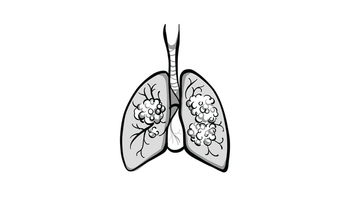
During an interview with Targeted Oncology, Nicholas J. Robert, MD, further discussed the data of the MYLUNG study which he presented in a poster at the 2022 American Society of Clinical Oncology Annual Meeting.
Jesus G. Berdeja, MD, director of multiple myeloma research at Sarah Cannon Research Institute and hematology specialist at Tennessee Oncology, discusses the results of the CARTITUDE-1 trial for chimeric antigen receptor T-cell therapy with the newly-approved agent ciltacabtagene autoleucel for relapsed/refractory multiple myeloma.

Eric Jonasch, MD, further discussed the 2 posters he presented in regard to belzutifan at 2022 ASCO.
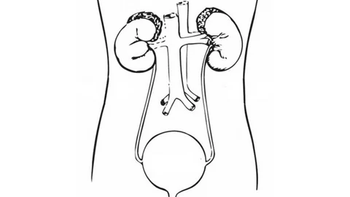
In an interview with Targeted Oncology, Roger Li, MD, discussed the use of the CG0070 in combination with pembrolizumab and nivolumab for patients with non-muscle invasive bladder cancer who are unresponsive to Bacillus Calmette-Guerin.
Tanios S. Bekaii-Saab, MD, FACP, discusses the unmet needs that are hoped to be filled by the phase 1/2 KRYSTAL-1 study.

In an interview with Targeted Oncology, Erika Hamilton, MD, discussed the key takeaways of the updated safety analysis of the DESTINY-Breast03 trial.
Mazyar Shadman, MD, MPH, discusses the phase 1/2 clinical trial of MB-106 for patients with CD20 positive B-cell malignancies.

John L. Marshall, MD, discusses the situations where patients could benefit from fam-trastuzumab deruxtecan-nxki as second-line treatment for locally advanced or metastatic HER2-positive gastric cancer.

Mark Markowski, MD, PhD, discusses the design of a phase 1B/2 study of sabizabulin in men with metastatic castration-resistant prostate cancer who have had treatment and progression on an androgen receptor–targeting agent.
Sophia Kamran, MD, discusses potential toxicities limiting the addition of immunotherapy to trimodal therapy for patients with urothelial cancer.

In an interview with Targeted Oncology, Raajit Rampal, MD, PhD, discussed the recent advances in myelofibrosis and what his hopes are for the future of this space.
Lajos Pusztai, MD, DPhil, discusses multiple analyses of the phase 3 KEYNOTE-522 clinical trial of pembrolizumab plus chemotherapy administered in the neoadjuvant or adjuvant setting to patients with triple-negative breast cancer versus placebo plus chemotherapy.
Aaron T. Gerds, MD, MS, discusses the clinical trial development of momelotinib, a JAK1/JAK2 inhibitor that is being investigated for the treatment of patients with myelofibrosis.
Karen L. Reckamp, MD, discusses the Lung-MAP nonmatched substudy S1800A for patients with non–small cell lung cancer who were previously treated with immune checkpoint inhibitors and develop resistance.

In an interview with Targeted Oncology, Mazyar Shadman, MD, MPH, discussed his research of MB-106 as treatment for patients with relapsed or refractory B-non-Hodgkin lymphoma and chronic lymphocytic leukemia.

Nathan Pennell, MD, PhD, discusses a first-in-human trial of a novel RET inhibitor for patients with non–small cell lung cancer and medullary thyroid cancer.
In an interview with Targeted Oncology, Sumanta Pal, MD, PhD, discussed the COSMIC-021 study of cabozantinib and atezolizumab across multiple tumor types, including advanced urothelial carcinoma.

Neil Vasan, MD, PhD, discusses how the results of the TRAIN-2 trial impacted the treatment of patients with HER2-positive breast cancer.

Jeffrey S. Miller, MD, discusses the findings of a study of the Tri-Specific Killer Engager platform for the activation of natural killer cells for the treatment of refractory acute myeloid leukemia and other cancers.

Nakhle Saba, MD, discusses the significance of the key findings of the ELEVATE-TN trial of acalabrutinib with or without obinutuzumab for patients with chronic lymphocytic leukemia.
Sumanta K. Pal, MD, discusses the methods and design of the COSMIC-021 study.
Karen L. Reckamp, MD, explains the need for more treatment options for patients with non–small cell lung cancer who have been previously treated with immune checkpoint inhibitors and develop resistance.
Lori J. Wirth, MD, discusses the treatment options now available for patients with iodine-refractory differentiated thyroid cancer.

Luv N. Hajirawala, MD, discusses the findings from a retrospective analysis of the Surveillance, Epidemiology and End Results database looking at patients with stage III colon cancer.