Siddhartha Mukherjee, MD, explains the current golden standard for frontline treatment of patients with acute myeloid leukemia.

Siddhartha Mukherjee, MD, explains the current golden standard for frontline treatment of patients with acute myeloid leukemia.

Lori J. Wirth, MD, discusses sequencing therapies for patients with NTRK fusion–positive advanced thyroid cancer.

In an interview with Targeted Oncology, Cristian Tomasetti, PhD, discussed the role of circulating tumor DNA in understanding the need for adjuvant chemotherapy in patients with stage II colon cancer. He explained how circulating tumor DNA can signal a patient’s risk of disease recurrence after surgery.
Ronald L. Paquette, MD, discusses how age impacts the use of bone marrow and stem cell transplants in patients with myelodysplastic syndrome.

Ryan Sugarman, MD, discusses the key takeaways from the CheckMate-649 trial of patients with advanced gastric cancer, gastroesophageal junction cancer, and esophageal adenocarcinoma receiving nivolumab combined with chemotherapy compared with chemotherapy alone in the first-line.

In the interview, Mark Markowski, MD, discussed how the findings from the phase 1/2 trial of sabizabulin in patients with metastatic castration-resistant prostate cancer this may influence future research with the oral agent.
Bruce Feinberg, DO, discusses a survey researching chimeric antigen receptor T-cell therapy’s growing usage by community oncologists for diffuse large B-cell lymphoma.
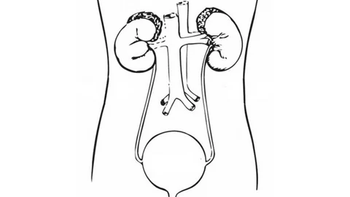
In an interview with Targeted Oncology, Matthew T. Campbell, MD, examined the positive phase 1 study results of infigratinib for the treatment of patients with localized upper tract urothelial cancer.

Manali Kamdar, MD, discusses data from the 2 clinical trials that supported the recent FDA approval of lisocabtagene maraleucel for the treatment of patients with relapsed or refractory large B-cell lymphoma.

In the interview with Targeted Oncology, Marcia S. Brose, MD, PhD, FASCO discussed treatment of TRK fusion-positive thyroid cancer based on the most recent data from 2022 ASCO Annual Meeting and ongoing studies.

In an interview with Targeted Oncology, Anne Wooford, MD, discussed a study of 27 patients with a variety of hematological conditions, unable to find a human leukocyte match donor.

Matthew S. McKinney, MD, discusses the tolerability observed in the LOTIS-2 trial of loncastuximab tesirine of patients with relapsed/refractory diffuse large B-cell lymphoma.

Neil Vasan, MD, PhD, discusses how past studies have supported de-escalated approaches and other improvements to treatment for patients with HER2-positive breast cancer.
Gunther Koehne, MD, PhD, discusses his hopes for future advances for patients with hematologic malignancies.

Nathan A. Pennell, MD, PhD, discusses the study design and goals of an ongoing phase 1 trial of a novel RET inhibitor for patients with non–small cell lung cancer and medullary thyroid cancer.

In an interview with Targeted Oncology, Toni K. Choueiri, MD, discusses results from the KEYNOTE-564 efficacy analysis and what will come next for pembrolizumab treatment in renal cell carcinoma.
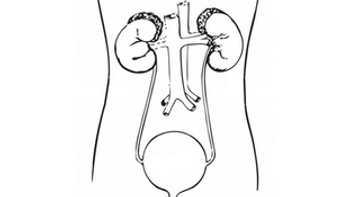
In an interview with Targeted Oncology, Sam S. Chang, MD, MBA, discussed the background of N-803 plus BCG in patients with BCG-unresponsive non-muscle invasive bladder cancer and what he expects for the future of this space.

Leonard Kalman, MD, explains the disparities in clinical trial enrollment, which include access to care, lack of education, and low cancer screening rates.
Neal Shore, MD, FACS, discusses the purpose behind investigating enzalutamide in a cohort of patients with metastatic hormone-sensitive prostate cancer who were previously treated with local therapy as a post-hoc analysis of the ARCHES study.

Ian W. Flinn, MD, PhD, discusses the study design and results of the phase 2 trial of the antibody-drug conjugate polatuzumab vedotin-piiq plus bendamustine and rituximab for patients with relapsed/refractory diffuse large B-cell lymphoma.

Sam S. Chang, MD, MBA, discusses the research of N-803 in combination with BCG in patients with BCG-unresponsive non-muscle invasive bladder cancer.
Cathy Eng, MD, FACP, FASCO, discusses the types of patients who should be tested for biomarkers in the anal cancer space.

David Barrington, MD, discusses the key takeaways regarding the factors associated with variation of adjuvant treatments for patients with stage 1B, grade 3 endometrial cancer.
Andreas Saltos, MD, discusses the key takeaways of the phase 1/1b clinical trial exploring the use of binimetinib plus erlotinib in patients with non–small cell lung cancer harboring either KRAS or EGFR mutations.
Yelena Ginzburg, MD, discusses a long-term goal of the use of rusfertide in patients with chronic polycythemia vera.
In an interview with Targeted Oncology, Charles J. Schneider, MD, FACP, provided an overview of the treatment landscape for anal carcinoma, and ongoing research.
Joshua K. Sabari, MD, discusses the significance of EGFR exon 20 insertion mutations in patients with non–small cell lung cancer.

During an interview with Targeted Oncology, Gunther Koehne, MD, PhD, explained the need to get experts together and discuss the increased activity of new developments for hematologic malignancies.
Eric S. Nadler, MD of Texas Oncology, discusses the real-world patient characteristics and treatment duration of the immunotherapy combination treatment of the IMpower133 trial in patients with extensive-stage small cell lung cancer.

Matthew T. Campbell, MD, discusses the results of a retrospective analysis of patients with metastatic renal cell carcinoma with sarcomatoid dedifferentiation.