
"Trastuzumab deruxtecan demonstrated clinical activity in this interim analysis, with a high ORR and durable response rate in a heavily pretreated population of patients with HER2-mutated NSCLC."

"Trastuzumab deruxtecan demonstrated clinical activity in this interim analysis, with a high ORR and durable response rate in a heavily pretreated population of patients with HER2-mutated NSCLC."

"Although patient numbers and follow-up were limited, savolitinib demonstrated encouraging efficacy and an improved safety profile versus sunitinib."
"We believe the TIVO-3 data demonstrate a favorable risk/benefit profile for tivozanib in the growing population of patients who have relapsed or become refractory to multiple lines of therapy, including checkpoint inhibitors."

Frontline treatment with the TIGIT inhibitor tiragolumab plus atezolizumab demonstrated greater efficacy versus single-agent checkpoint inhibitor therapy in locally advanced or metastatic non–small cell lung cancer, according to results of the phase 2 CITYSCAPE trial reported at the 2020 American Society of Clinical Oncology Virtual Scientific Program.

David O'Malley, MD, discusses the role of PARP inhibitors in the treatment landscape of ovarian cancer.

“Preliminary data for the 18 patients who have received belantamab mafodotin 2.5 mg/kg single dosing with bortezomib/dexamethasone suggests that this combination has an acceptable safety profile with no new safety signals identified. Clinical response looks promising."
Selinexor in combination with bortezomib and dexamethasone resulted in improvements in responses and outcomes compared with bortezomib and dexamethasone alone in patients with relapsed or refractory multiple myeloma, according to findings from the phase 3 BOSTON trial from the 2020 ASCO Virtual Scientific Program.

Given the higher efficacy of carfilzomib seen in recent phase 2 trials, investigators sought to determine if carfilzomib could replace bortezomib in the current standard of care triplet induction regimen in standard and intermediate risk NDMM, but the study failed.
"Based on the results of our study, women who present with a new diagnosis of breast cancer already in stage IV should not be offered surgery and radiation for the primary breast tumor with the expectation of a survival benefit."
The risk for death from COVID-19 was greater for patients with stable cancer compared with patients who had no evidence of disease.
"It is a proof of concept of the efficacy of an immunotherapy in [patients with] gestational trophoblastic tumors , confirming the rationale we had."
"This is the first time that such a large precision oncology platform [involving] pediatric patients was assessed for its clinical benefit."
"Adjuvant osimertinib is the first targeted agent in a global randomized trial to show a statistically significant and clinically meaningful improvement in disease-free survival in patients with stage IB/II/IIIA EGFR mutation–positive non–small cell lung cancer."

"Pembrolizumab works in non-randomized studies in this group of patients with advanced disease. This randomized study demonstrates a huge benefit in the first-line [setting] with pembrolizumab and should be the new standard of care."
"Prior administration of chemotherapy is associated with increased risk of death [from COVID-19] while immunotherapy and tyrosine kinase inhibitors are not."
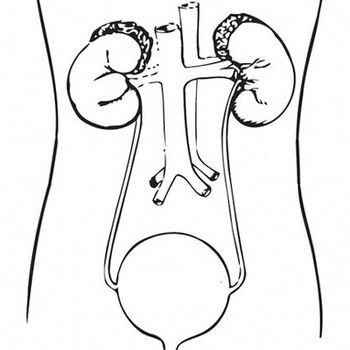
"Avelumab first-line maintenance in patients whose disease has not progressed with platinum-based induction therapy is a new first-line standard of care for advanced urothelial carcinoma."

“This study is 1 of the first [to report on a] chemoimmunotherapy combination in the second- and third-line setting of metastatic urothelial carcinoma."

Yousef Zakharia, MD, discussed recent phase I data from a study of seleno-L-methionine in combination with axitinib as treatment of patients with previously treated or relapsed clear cell renal cell carcinoma. Zakharia recently presented these data as part of the American Urological Association Virtual Experience platform for the 2020 AUA Annual Meeting.

Cabazitaxel demonstrated better patients-reported outcomes compared with either abiraterone or enzalutamide in men with metastatic castration-resistant prostate cancer.
"These interim data demonstrate that primary chemoablation of low-grade intermediate-risk non–muscle invasive bladder cancer using UGN-102 results in a significant treatment response and encouraging durability."
Positive safety and efficacy outcomes were witnessed in the KEYNOTE-365 study , supporting further assessment of the combination of pembrolizumab and enzalutamide in a larger population of patients with metastatic castration resistance prostate cancer.
"Historically, neoadjuvant hormone therapy has been shown to improve pathologic outcomes. Therefore, neoadjuvant androgen deprivation therapy may allow a nerve-sparing surgical approach to increase post-surgical quality-of-life outcomes without compromising oncologic outcomes.”

Felix Guerrero-Ramos, PhD, discusses the results from an analysis of IL-10 and CXCL10 in urine as useful biomarkers of response to bacillus Calmette-Guerin in patients with bladder cancer.
"Intravesical nadofaragene firadenovec [recombinant adenovirus interferon alpha achieved a 53.4% CR rate in patients with BCG-unresponsive carcinoma in situ of the bladder."

In an interview with Targeted Oncology, Charlotte Sun, DrPH, MPH, discussed the findings from 2 abstracts from the 2020 SGO Annual Meeting on patient preferences for maintenance therapy in ovarian cancer and how these findings can be applied to practice in the community oncology setting.

"Adavosertib demonstrated promising preliminary clinical activity in patients with unselected uterine serous cancer."

Ross F. Harrison, MD, discusses the out-of-pocket costs for patients with ovarian cancer receiving PARP inhibitor treatment.
“There are limited treatment options for women with advanced or recurrent endometrial cancer, and prognosis of these patients is poor. The results observed in the GARNET trial indicate the potential of dostarlimab to offer a new treatment option for women with this challenging disease.”

Treatment with olaparib demonstrated similar outcomes to standard-of-care chemotherapy treatment in patients with BRCA wild-type, platinum-sensitive, recurrent epithelial ovarian cancer in the phase II CLIO study. As such, olaparib failed to demonstrate a significant improvement in survival over chemotherapy.