Daratumumab demonstrated a 31% overall response rate as monotherapy for patients with heavily pretreated multiple myeloma, according to a combined analysis of two pivotal studies presented at the 2015 ASH Annual Meeting.

Daratumumab demonstrated a 31% overall response rate as monotherapy for patients with heavily pretreated multiple myeloma, according to a combined analysis of two pivotal studies presented at the 2015 ASH Annual Meeting.

Leonard says some of the more interesting studies to crop up in the field of Hodgkin's lymphoma include ones that utilize checkpoint inhibitors, as well as one of the first combination immunotherapies to be used in the disease
Carfilzomib has been found to reduce the risk of progression and death by 47% in patients with relapsed multiple myeloma when compared to bortezomib, according to the the phase III ENDEAVOR trial.
The triple combination of ixazomib, cyclophosphamide, and dexamethasone, all taken orally, showed encouraging early response rates in elderly patients with newly diagnosed multiple myeloma, according to phase II data presented at the 2015 ASH Annual Meeting.
In the last 5 years, the treatment paradigm for patients with hematologic malignancies has seen vast changes. These alterations continue their progress in the field with groundbreaking data and new ideas presented at the 2015 American Society of Hematology Annual Meeting from December 5 through 8.
A chimeric antigen receptor T-cell therapy used in patients with EGFRvIII-positive glioblastoma multiforme during a pilot study showed promising results, according to two leading researchers in the field presenting at the 2015 Society of Neuro-Oncology Annual Meeting.
An international team of experts is planning an innovative clinical trial to speed up development of new treatments for glioblastoma multiforme.
Developing safe and effective therapies for malignant brain tumors, specifically glioblastoma, is a challenging-yet-achieveable endeavor pursued by researchers and patients alike.

Amy Heimberger, MD, professor in the Department of Neurosurgery, University of Texas MD Anderson Cancer Center, talks about immunotheraputics in the context of glioblastoma (GBM).
A quarter of patients with relapsed glioblastoma multiforme (GBM)-treated with the vaccine rindopepimut (Rintega) plus bevacizumab remained alive at 2 years.
Phase II findings have shown a substantial improvement in overall survival with the dendritic vaccine ICT-107 in a subgroup of patients with HLA-A2+ newly diagnosed glioblastoma multiforme (GBM), warranting further exploration in a phase III study.
Though clinical work is ongoing and early, researchers are already considering how to manage potentially fatal neurotoxicities in patients treated with chimeric antigen receptor (CAR) T-cell therapy.
An emerging class of immune checkpoint blockade drugs has produced impressive benefits for patients in many solid tumor types. The class' success hints that these drugs ay be successful against central nervous system tumors as well, including glioblastoma.
Physicians are up to the task when it comes to the influx of immunotherapies being studied and approved across multiple tumor types, Jeffrey S. Weber, MD, PhD
Optune in conjunction with chemotherapy and/or bevacizumab boosted survival rates in patients with recurrent glioblastoma multiforme.
Rimas Lukas, MD, director, Medical Neuro-Oncology, co-director, Neurology Medical Student Clerkship Program, The University of Chicago Medical Center, on PD-L1 blockade treatment and its potential in patients with recurrent glioblastoma (GBM).

David Reardon, MD, clinical director, Center for Neuro-Oncology, Dana-Farber Cancer Institute, on the need to identify glioblastoma (GBM) patients with the EGFRvIII mutation in their tumor.
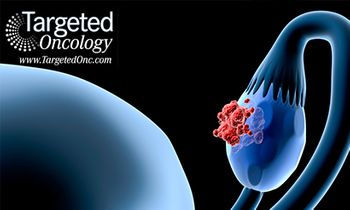
Neoadjuvant chemotherapy is increasingly used in advanced ovarian cancer, even though it has not been shown to improve survival versus primary cytoreduction.

Dr. Deirdre Cohen talks about the increasingly big role of immunotherapies in the treatment of patients with gastric cancers.
While immune checkpoint inhibitors initially showed promise in patients with ovarian cancer, results still need to be validated by larger randomized trials.

Treatment of patients with non-small cell lung cancer (NSCLC) should be based on the identification of rare molecular targets such as BRAF, RET, ROS1, and MET versus clinical characteristics.
Immune checkpoint inhibitors have emerged with encouraging results in patients with small cell lung cancer (SCLC) and mesothelioma

Study data involving NY-ESO-1specific T-cell receptor transgenic lymphocytes with an NY-ESO-1 peptide-pulsed DC vaccination in patients with advanced sarcomas and melanoma with or without ipilimumab were detailed during a presentation at the 2015 CTOS Annual Meeting.
William D. Tap, MD, discusses results from a phase Ib/II presented at the 2015 Connective Tissue Oncology Society (CTOS) Annual Meeting.

TRC105, an anti-endoglin antibody, demonstrated complementary antitumor effects with pazopanib, a VEGF inhibitor in the treatment of patients with soft tissue sarcomas.
The addition of olaratumab to doxorubicin improved overall survival (OS) by nearly 1 year in patients with advanced soft tissue sarcoma, according to final results of a phase Ib/II study.

Jeffrey S. Weber, MD, PhD, deputy director, Laura and Isaac Perlmutter Cancer Center, co-director of its Melanoma Program, head of Experimental Therapeutics, NYU Langone Medical Center, discusses keys to targeted therapies for melanoma. These keys lie in BRAF and MEK inhibitors and combining those drugs with immunologic therapies.

Thomas Herzog, MD, clinical director, University of Cincinnati Cancer Institute, discusses the types of patients who benefit from neoadjuvant therapies. Patients who cannot undergo aggressive cytoreduction, patients with comorbidities and older patients would be ideal candidates to receive the therapy, he adds.

Arun Singh, MD, assistant professor, Division of Hematology-Oncology, University of California, Los Angeles (UCLA), discusses a phase Ib/II trial of immunotherapy for patients with advanced sarcoma.
Sant P. Chawla, MD, director, Sarcoma Oncology Center, discusses the potential for trabectedin as treatment of mesenchymal chondrosarcoma.