Jethro C.C. Kwong discusses a novel artificial intelligence-based model, PROGRxN-BCa.

Jethro C.C. Kwong discusses a novel artificial intelligence-based model, PROGRxN-BCa.
Sophia Kamran, MD, discusses how salvage therapy after biochemical recurrence may improve outcomes for patients with prostate cancer.
Pembrolizumab combo before/after surgery and radiation significantly improved event-free survival in resectable advanced head and neck cancer per KEYNOTE-689, introducing a potential new standard of care.

Felix Guerrero-Ramos, MD, PhD, discusses findings from cohort 4 of the phase 2 SunRISe-1 trial of TAR-200 in patients with high-risk, BCG-unresponsive NMIBC with papillary-only disease.
Oncologists at AUA 2025 share promising data, including sasanlimab, cretostimogene grenadenorepvec, and TAR-200 in NMIBC.
Combining the antibody-drug conjugate disitamab vedotin with BCG elicited a high complete response rate in patients with HER2-expressing, high-risk NMIBC.
Long-term data from QUILT-3.032 showed that NAI plus BCG shows sustained responses in BCG-unresponsive bladder cancer with 84% cystectomy avoidance at 36 months.
Cretostimogene showed high and durable responses in heavily pretreated BCG-unresponsive NMIBC with CIS in a phase 3 trial. Well-tolerated with minimal high-grade TRAEs.
Joseph Jacob, MD, discusses data from the phase 2b SunRISe-1 study, cohort 2, evaluating TAR-200 in BCG-unresponsive high-risk NMIBC with carcinoma in situ.

Colin P.N. Dinney, MD, discusses updated translational analyses from the BOND-003 and CORE-001 trials.
Enfortumab vedotin plus pembrolizumab followed by surgery showed high complete response rates in advanced urothelial cancer.
At AUA 2025, experts will present on novel bladder cancer therapies, advanced renal cell carcinoma comparisons, frailty in prostate cancer, and more.

Jeff Auletta, MD, discusses the background, methods, design and findings from the ACCESS trial.
Geoffrey Shouse, DO, PhD, discusses what motivated this retrospective review of bispecific antibodies in diffuse large B-cell lymphoma at City of Hope.

Toon Van Gorp, MD, PhD, discussed findings from the MIRASOL trial and the potential of mirvetuximab to redefine treatment paradigms in ovarian cancer.

In metastatic triple-negative breast cancer, sacituzumab govitecan was effective and tolerable in the real-world setting.
Elacestrant prolonged progression-free survival in patients with pretreated, ER-positive, HER2-negative breast cancer.
Geoffrey Shouse, DO, PhD, discusses the growing interest in bispecific antibodies within the field of oncology.

Novel HER2 therapies show strong intracranial efficacy, enabling systemic treatment over local therapy for small, asymptomatic brain metastases in metastatic breast cancer.
New agents targeting endocrine therapy and CDK4/6 resistance in hormone receptor–positive breast cancer are in development.

Co-hosts Kristie L. Kahl and Andrew Svonavec highlight the many advantages to attending the 42nd Annual Miami Breast Cancer Conference, with some additional tidbits to round out the main event.

Uday R. Popat, MD, discusses the rationale behind evaluating itacitinib over other JAK inhibitors for graft-vs-host disease prophylaxis in a phase 2 study.
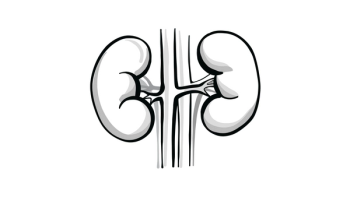
Casdatifan, a HIF-2α inhibitor, shows early clinical activity and good tolerance in patients with previously treated clear cell renal cell carcinoma.
Shilpa Gupta, MD, discusses the key takeaways from the long-term outcomes of the JAVELIN Bladder 100 trial for community oncologists.
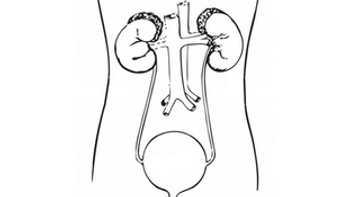
Studies from Munich University highlighted quality of life in bladder and prostate cancer at ASCO 2025 Genitourinary Cancers Symposium.
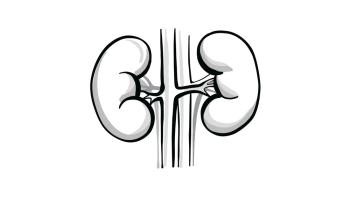
Avelumab plus axitinib was effective and safe in real-world advanced kidney cancer, with outcomes matching clinical trials, according to AVION study findings.
Olanzapine may help manage adverse effects from tyrosine kinase inhibitors, though further randomized, placebo-controlled studies are needed to confirm these findings.
Poor physical performance in patients with non-Hodgkin lymphoma receiving CAR T-cell therapy was linked to worse survival and increased risk of neurotoxicity in a cohort study.

Olalekan O Oluwole, MD, MBBS, discusses the background and rationale of the research he contributed to, which was presented at the 2025 Transplantation & Cellular Therapy Meetings.