
Rates of cervical cancer across the United States vary due to social determinants of health.

Rates of cervical cancer across the United States vary due to social determinants of health.

Pedro Barata, MD, MSc, discussed the importance of the NRG Oncology Semiannual Meeting and the forum it provides for oncologists to collaborate and optimize cancer treatment.

Stephanie Lee, MD, discusses a study investigating belumosudil for chronic graft-vs-host disease.

Robert Dreicer, MD, MS, MACP, FASCO, discusses the limitations of using prostate-specific antigen levels alone to guide prostate cancer treatment.
Scott T. Tagawa, MD, MS, FACP, FASCO, highlights a key difference between oral androgen receptor inhibitor drugs and therapeutic radionuclides for the treatment of prostate cancer.
Scott T. Tagawa, MD, MS, FACP, FASCO, discusses that patients with advanced prostate cancer benefit from a multidisciplinary care team.

Balancing cost and efficiency remains at the crux of autologous stem cell transplants for multiple myeloma treatment.
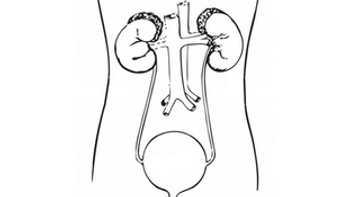
Hedyeh Ebrahimi, MD, discussed a novel approach to targeting metastatic renal cell carcinoma through a microbiome-mediated pathway.

Kayla Giannetti, MSN, APRN-CNP, discusses a study presented at the 2024 Transplantation and Cellular Therapy Tandem Meetings investigating the link between patient frailty and stem cell transplants.

Alice Bertaina, MD, discussed combining T-allo10 gene therapy with stem cell transplants for the treatment of pediatric and young adult patients with hematologic malignancies.

Valentina Ardila, MD, discusses findings from a study investigating the role of obesity in patients undergoing stem cell transplants.

Alice Bertaina, MD, discusses combining of T-allo10, a donor-derived cell product, with haploidentical stem cell transplants for the treatment of pediatric and young adult patients with hematologic malignancies.
Peterson discusses the investigation of ruxolitinib in the second line for patients with acute graft-vs-host disease following allogeneic hematopoietic stem cell transplant.

The latest developments across the fields of stem cell transplantation and cellular therapy were presented at the 2024 Tandem Meetings in San Antonio, Texas, from February 21-24, 2024.
Orca-T demonstrated survival rates vs post-transplant cyclophosphamide in patients with hematologic malignancies receiving myeloablative conditioning, according to findings from a retrospective analysis.
Promising survival data for Orca-T was also matched in a population of patients with hematologic malignancies aged 55 years and older.
The combination of belumosudil plus ruxolitinib demonstrated response and tolerability in patients with steroid-refractory or steroid-dependent chronic graft-vs-host disease.
Lisocabtagene maraleucel given as a single administration led to rapid responses in patients with relapsed or refractory chronic lymphocytic leukemia or small lymphocytic lymphoma.
A retrospective study of real-world patients showed that immune engager therapies had the best response and progression-free survival rates in patients with multiple myeloma who had a relapse after idecabtagene vicleucel treatment.
Findings from an analysis of the REACH2 study, presented at the 2024 Transplantation & Cellular Therapy Meetings, showed that concomitant treatment with azoles does not impact the safety and efficacy of ruxolitinib for patients with acute graft-vs-host-disease.
In early lines of therapy for relapsed/refractory multiple myeloma, patients receiving cilta-cel demonstrated deep and enduring responses, with overall response rates of 95% and 100% in 2 cohorts.
A retrospective study of insurance claims showed patients received ruxolitinib mainly in the second or third line for chronic graft-vs-host disease, with dose adjustment used and no difference shown in time to discontinuation between adult and pediatric patients.
Ruxolitinib cream resulted in positive safety and efficacy findings among a small cohort of patients with cutaneous graft-vs-host disease vs placebo.
The ruxolitinib and belumosudil combination demonstrated a 55% overall response rate in GVHD, suggesting synergy between inflammatory pathways. The combination was well-tolerated, delayed the need for other therapies.
Michael Scordo, MD, discusses the implications of a new approach to dosing antithymocyte globulin in patients undergoing an allogeneic hematopoietic stem cell transplant.
Acalabrutinib added to axicabtagene ciloleucel treatment was well-tolerated in patients with relapsed/refractory B-cell lymphoma.
Findings suggest that liso-cel may be an effective treatment option for patients with relapsed/refractory mantle cell lymphoma and high-risk features, who have limited treatment options.
A retrospective study demonstrated the feasibility and efficacy of brexucabtagene autoleucel in treating central nervous system involvement in adult patients with relapsed/refractory B-cell acute lymphoblastic leukemia.
Pedro Barata, MD, MSc, FACP, discusses the goals of the NRG Oncology Semiannual Meeting taking place February 15-17, 2024.
In an interview with Targeted Oncology, Stephen Williams, MD, discussed a retrospective cohort study presented at ASCO GU analyzing intravesical gemcitabine usage vs Bacillus Calmette-Guérin for the treatment of high-risk non-muscle invasive bladder cancer.