


In an interview with Targeted Oncology, Lori Leslie discussed the CAR T-cell product, brexucabtagene autoleucel, and its influence on both MCL and indolent lymphomas.


Your AI-Trained Oncology Knowledge Connection!
In an interview with Targeted Oncology, Lori Leslie discussed the CAR T-cell product, brexucabtagene autoleucel, and its influence on both MCL and indolent lymphomas.
Nivolumab in combination with platinum-doublet chemotherapy has been granted FDA approval as neoadjuvant treatment for adult patients with resectable non-small cell lung cancer.

Marcin Kortylewski, PhD, discusses research demonstrating blocking STAT3 in acute myeloid leukemia (AML) cells.
In an interview with Targeted Oncology, Ronald Paquette, MD, discussed MDS and what factors may impact the success of a patient’s treatment when undergoing transplant.
The FDA will now make a decision on the approval application for ublituximab/umbralisib in chronic lymphocytic leukemia and small lymphocytic lymphoma in June following an ODAC meeting.

In an interview, Jesus Berdeja, MD, discussed the introduction of ciltacabtagene autoleucel into the treatment landscape for relapsed/refractory multiple myeloma, how it may differ from idecabtagene vicleucel, and the future of CAR T-cell use in the space.

According to retrospective data, racial disparities among patients being screened for lung cancer have decreased.
TJ-CD4B had been granted orphan drug designation by the FDA for the treatment of patients with gastric cancer, including gastroesophageal junction carcinoma.

Shana Wingo, MD, discusses the benefits of working with AON as a community oncology practice and for the patients.
The FDA has granted fast track designation to HPN217, for the treatment of patients with relapsed or refractory multiple myeloma, which is being evaluated in a phase 1/2 clinical trial.
In an interview with Targeted Oncology, John Mascarenhas, MD, discussed the introduction of pacritinib to the treatment landscape for myelofibrosis and severe thrombocytopenia, and the research supporting the recent FDA approval.
The FDA issued 3 final guidances to industry regarding cancer clinical trials that parallel the goals of President Biden's 2016 Cancer Moonshot initiative.

Promising early results have been announcement from a phase 2 study of tisotumab vedotin in select patients with squamous cell carcinoma of the head and neck.

In an interview with Targeted Oncology™, Samuel K. Klempner, MD, discussed the promise of DKN-01 and early results from the DisTinGuish trial.

A biotherapeutic led to improved efficacy of immunotherapy in a phase 1 study of patients with metastatic renal cell carcinoma.
Findings show DKN-01, tislelizumab, and capecitabine/oxaliplatin (CAPOX) combination to be well tolerated and have encouraging clinical activity as frontline treatment of patients with advanced gastroesophageal adenocarcinoma.

Eric Pujade-Lauraine, MD, discusses the differences in testing for homologous recombination repair deficiency in patients with ovarian cancer throughout countries.
Pending a safety investigation by the developer and further information about risk to patients, the phase 1b trial of CYAD-101 in patients with metastatic colorectal cancer, has been placed on a partial clinical hold by the FDA.

In patients with early stage glottic larynx tumor-focused stereotactic radiotherapy showed benefit in a phase 2 study.

AON will provide ambulatory infusion pumps and services, effective January 1, 2022 in partnership with InfuSystem.
Here's a look back at all the FDA happenings from February 2022.
Results from the WINDOW-1 signal promise for use of the R-HCVAD regimen in patients with mantle cell lymphoma.
The FDA has approved pacritinib for the treatment of patients with myelofibrosis and severe thrombocytopenia.
Ciltacabtagene autoleucel had been granted FDA approval for the treatment of select patients with relapsed or refractory multiple myeloma.
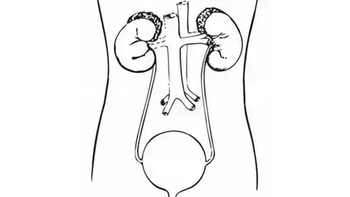
In an interview with Targeted Oncology, Sophia Kamran, MD, discussed the effectiveness of trimodality therapy as well as other novel therapeutics in patients with bladder cancer.
The supplemental new drug application for ibrutinib as a potential treatment for pediatric chronic graft-versus-host disease is supported with findings from the phase 1/2 IMAGINE study.
The FDA will conduct a speedy review of the supplemental biologics license application filed for nivolumab in combination with chemotherapy and granted it priority review for the neoadjuvant treatment of patients with resectable non–small cell lung cancer.
The treatment and preventive agent landscape for graft-versus-host disease is growing for patients with hematologic malignancies who receive a stem cell transplant.
Findings from the MC1273 and MC1675 trials show that de-escalated adjuvant radiation therapy met criteria for efficacy in human papillomavirus–related oropharyngeal squamous cell carcinoma.

Thomas Marron, PhD, MD, discusses the end points of an exploratory study which examines the use of cemiplimab in hepatocellular carcinoma.