
A safety review committee has approved the Acclaim-1 trial of ozeplasmid plus osimertinib in non–small cell lung cancer to move on to the third cohort of the study.


Your AI-Trained Oncology Knowledge Connection!
A safety review committee has approved the Acclaim-1 trial of ozeplasmid plus osimertinib in non–small cell lung cancer to move on to the third cohort of the study.

Treatment with olutasidenib induced durable remissions and a manageable adverse event profile in patients with relapsed/refractory acute myeloid leukemia who harbor IDH1 mutations.

A phase 2b trial of pembrolizumab plus a personalized mRNA vaccine resulted in improved recurrence-free survival in patients with resected high-risk melanoma, the first successful randomized trial of its kind.
Phase 1 clinical trial data shows that BGB-11417 may induce response and lead to minimal residual disease negativity in patients with chronic lymphocytic leukemia.

Florida Cancer Specialists & Research Institute, LLC hematologists and medical oncologists were contributors to several presentations at the San Antonio Breast Cancer Symposium® this past week.

Phase 3 ALPINE study study results shows that zanubrutinib produced superior progression-free survival results and objective response rate compared with ibrutinib in chronic lymphoma leukemia and small lymphocytic lymphoma.
Results from MonumenTAL-1 presented during the 2022 ASH annual Meeting have led to the submission of a biologics license application for talquetamab.
KRYSTAL-1 results led the FDA to accelerate the approval of adagrasib for KRAS G12C-mutated locally advanced or metastatic non–small cell lung cancer.
The MOMENTUM trial continues to show positive results for momelotinib fro the treatment of anemic myelofibrosis.
In the real-world setting. Patients treated with the chimeric antigen receptor T-cell agent, axicabtagene ciloleucel experience similar quality-of-life outcomes to patients who were treated in clinical trials.

A phase 1/2 trial has revealed the promise of using zilovertamab plus ibrutinib for the treatment of mantle cell lymphoma and chronic lymphocytic leukemia.
Fast and durable response were seen in patients with Waldenström Macroglobulinemia who received the combination of ibrutinib and venetoclax.

Results from the GeparOLA study show that neoadjuvant olaparib did not achieved better efficacy compared with carboplatin and paclitaxel in patients with HER2-negative early breast cancer with homologous recombination deficiency.
Research conducted at Florida Cancer Specialists & Research Institute that is contributing to global advancements in the diagnosis and treatment of blood diseases will be presented at ASH 2022.

Charles J. Schneider, MD, FACP, discusses some of the ongoing research examining patients with anal cell carcinoma.
Ghassan K. Abou-Alfa, MD, discusses the LEAP-002 study of pembrolizumab plus lenvatinib vs lenvatinib alone in patients with unresectable hepatocellular carcinoma.
Based on the outcome of the confirmatory phase 3 OCEAN study, the FDA has requested melphalan flufenamide be withdrawn for patients with relapsed or refractory multiple myeloma.
In an interview with Targeted Oncology, Thomas Kipps, MD, PhD, explained the new treatment options and challenges being faced in the chronic lymphocytic leukemia space.
Frontline treatment with dostarlimab and chemotherapy reduced the risk of disease progression and led to better objective response rates and progression-free survival vs pembrolizumab in patients with metastatic non-squamous non–small cell lung cancer.
Preliminary findings from the KRYSTAL-1 and KRYSTAL-7 trials show the potential for adagrasib in combination with pembrolizumab for patients with non-small cell lung cancer who’s cancer harbors a KRASG12C mutation.
In an interview with Targeted Oncology, Tapan M. Kadia, MD, discussed e-selection inhibition, and other novel targets for acute myeloid leukemia therapy.

Anthony Belott as the new chief development officer for American Oncology Network.
Poorer outcomes were shown in Black patients with hormone receptor-positive breast cancer, including in patients with similar 21-gene recurrence scores.
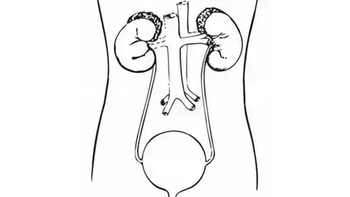
Patients with low-grade upper tract urothelial cancer elicited a clinical benefit at the end of the phase 3 OLYMPUS study when treated with UGN-101.
In an interview with Targeted Oncology, David J. Straus, MD, discussed the newest data of the ECHELON-1 trial which he presented at the National Comprehensive Cancer Network 2022 Annual Congress: Hematologic Malignancies.

In an interview with Targeted Oncology, Glenn J. Hanna, MD, discussed the phase 2 study evaluating treatment with nivolumab in patients with high-risk oral proliferative leukoplakia.
An interim overall survival analysis of the novel therapy sitravatinib combined with nivolumab has cleared the way for a continuation of the phase 3 SAPPHIRE study in patients with advanced non-squamous non–small cell lung cancer.
Jason Westin, MD, MS, FACP, discusses recent developments in novel agents to treat and target aggressive lymphomas.
Based on phase 1 data of the AUGMENT-101 trial, the FDA has granted a breakthrough therapy designation to SNDX-5613 for patients with relapsed or refractory KMT2A rearranged acute leukemia.