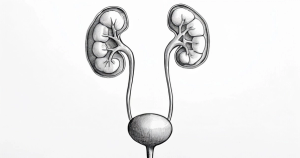

During a live event, Randy F. Sweis, MD, and participants discussed treating non–clear cell renal cell carcinoma based on current data and particular challenges facing patients.


Your AI-Trained Oncology Knowledge Connection!
During a live event, Randy F. Sweis, MD, and participants discussed treating non–clear cell renal cell carcinoma based on current data and particular challenges facing patients.

Novel approaches in MDS focus on HMA doublets, but transplant remains the only curative option to date.

A novel combination therapy shows promising results for advanced esophageal squamous cell carcinoma, achieving high response rates and manageable safety.
Research reveals matched unrelated donor transplants significantly enhance survival rates in leukemia patients compared with haploidentical transplants, despite donor availability.
New response criteria for acute GVHD enhance prediction of nonrelapse mortality, potentially transforming clinical trial designs and treatment evaluations.
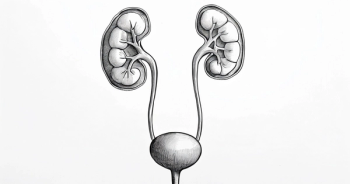
XmAb819 shows promising antitumor activity and safety in advanced clear cell renal cell carcinoma, paving the way for future clinical advancements.

Zocilurtatug pelitecan shows promising results as a DLL3-targeted therapy for small cell lung cancer, with high response rates and ongoing trials.

October 2025 marked a pivotal month in oncology with multiple FDA approvals and designations, enhancing treatment options for various cancers.
Healthcare professionals adjust octreotide and lanreotide doses for effective symptom control in patients with carcinoid syndrome, following NCCN guidelines.

During a live event, Mazyar Shadman, MD, MPH, discussed options for a patient with high-risk CLL as recommended by the NCCN guidelines.
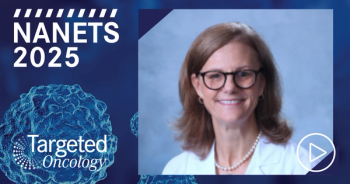
Mary Maluccio, MD, MPH, FACS, discusses the promising next steps for 212Pb-DOTAMTATE in treating GEP-NETs, including a pivotal phase 3 trial and ongoing patient follow-up.
Dr Mary Maluccio discusses promising results and safety concerns from the ALPHAMEDIX-02 trial on innovative therapy for GEP-NETs.

VS-7375 shows promising safety and antitumor activity in advanced solid tumors with KRAS G12D mutation, paving the way for further clinical evaluation.
During a live event, Hannah Choe, MD, and event participants discuss steroid-dependent chronic GVHD, favoring adding therapy over increasing steroids.

A phase 1 trial shows IO-202 combined with azacitidine effectively treats relapsed/refractory monocytic leukemias, demonstrating promising response rates.
A new trial shows that the combination of belzutifan and lenvatinib improves progression-free survival in advanced renal cell carcinoma patients.
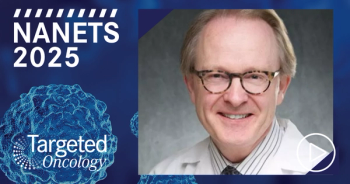
Experts discuss the integration of GLP-1 receptor agonists in treating neuroendocrine tumors, highlighting safety concerns and the need for further research.
Exosome-based therapy for glioblastoma receives FDA orphan drug designation, promising targeted treatment and improved delivery methods for cancer care.

Experts discuss the CUTNETs collaborative's efforts to enhance surgical care and standardize treatment for neuroendocrine tumors across multiple centers.

AI transforms healthcare by personalizing treatment plans and enhancing patient-provider communication, revolutionizing how we approach medical care.
FDA designates ZEN-3694 as an orphan drug, offering hope for patients with NUT carcinoma with no current approved therapies.
AI transforms cancer treatment by personalizing care and enhancing patient-provider communication, revolutionizing how patients manage their health.
A groundbreaking study reveals promising efficacy and safety of 212Pb-DOTAMTATE for treating neuroendocrine tumors, paving the way for future trials.
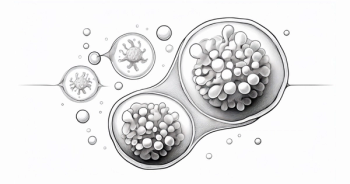
The identification of biomarkers in frontline diffuse large B-cell lymphoma (DLBCL) is ramping up with interest in exploring cell of origin.
Experts discuss the impact of dose escalation in treating neuroendocrine tumors, highlighting recent trials and collaborative research efforts for improved patient outcomes.
A recent trial shows omacetaxine and venetoclax combination benefits patients with MDS but not AML, highlighting the need for further research.

A recent trial evaluates the impact of dostarlimab on ovarian cancer treatment, revealing modest benefits and no significant safety concerns with niraparib.
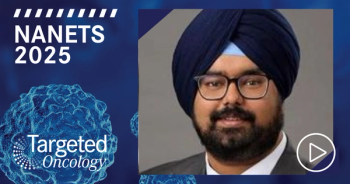
Rising early-onset neuroendocrine tumors reveal unique challenges and disparities, highlighting the need for tailored care and research focused on younger patients.

During a live event, Cora N. Sternberg, MD, discussed the development of androgen receptor pathway inhibitors and takeaways from the ARANOTE trial in hormone-sensitive prostate cancer.
The FDA designates daraxonrasib as an orphan drug for pancreatic cancer, targeting RAS mutations with promising trial results.
