
A complete response letter from the FDA has been issued regarding the biologics license application for toripalimab with or without chemotherapy for the treatment of advanced recurrent or metastatic nasopharyngeal carcinoma.


Your AI-Trained Oncology Knowledge Connection!
A complete response letter from the FDA has been issued regarding the biologics license application for toripalimab with or without chemotherapy for the treatment of advanced recurrent or metastatic nasopharyngeal carcinoma.

Surface Oncology announced the initiation of new trials of the investigational agent SRF388 in patients with hepatocellular carcinoma and non–small cell lung cancer.
With an FDA orphan drug designation for the treatment of patients with uveal melanoma, darovasertib is being actively investigated in a phase 1/2 clinical trial.

A lower overall risk of neurologic adverse events was seen in patients who received immune checkpoint treatment versus chemotherapy control groups.
The FDA has issued a complete response letter to surufatinib for the treatment of a pancreatic and extra-pancreatic neuroendocrine tumors.

In an interview with Targeted Oncology, John Mascarenhas, MD, discussed emerging therapies in treating myelofibrosis in the frontline setting as well as for those who have received prior ruxolitinib treatment.
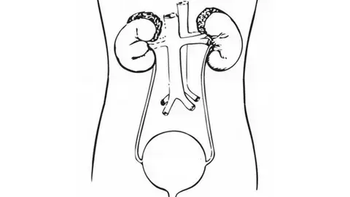
Nintedanib plus neoadjuvant chemotherapy did not achieve improvement in pathologic complete response in patients with muscle invasive bladder cancer in the phase 2 NEOBLADE study, but the study provided important survival signals.
Here’s a look back at all the FDA happenings from April 2022.
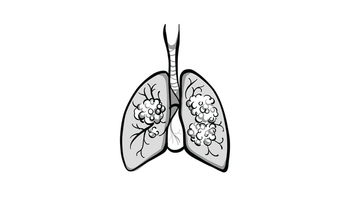
In an interview with Targeted Oncology, Marc Ladanyi, MD, discussed pooled data of larotrectinib in patients with NTRK fusion-positive cancers and how variability in NTRK gene fusions impacts outcomes.

The combination of ivosidenib and azacitidine revealed a manageable safety profile and quality of life profile in patients with IDH1-mutant acute myeloid leukemia in the phase 3 AGILE study.
Hagop M. Kantarjian, MD, discusses how the treatment landscape of acute lymphocytic leukemia compares to what it used to be.
Results from the phase 3 ARCHES trial confirm the survival benefit of enzalutamide plus androgen deprivation therapy in patients with metastatic hormone-sensitive prostate cancer.

In an interview with Targeted Oncology™, Hagop M. Kantarjian, MD, discussed the evolution of the acute lymphoblastic leukemia-treatment landscape and how further changes may be soon to come.

Lori A. Leslie, MD, discusses the impact that brexucabtagene autoleucel had on the treatment landscape for patients with relapsed or refractory mantle cell lymphoma.
The FDA has granted fast track designation to SQZ-PBMC-HPV for the treatment of patient with HPV16-positive advanced or metastatic solids tumors, according to an announcement by SQZ Biotechnologies.
Association between itolizumab serum concentrations and clinical response have been identified in patients with acute graft-versus-host disease treated in the phase 1b EQUATE study.
Oncternal Therapeutics announced it would terminate its study of ONCT-216 for patients with Ewing sarcoma and prioritize its phase 3 ZILO-301 study of zilovertamab plus ibrutinib for patients with relapsed/refractory mantle cell lymphoma.
The FDA has accepted the resubmission of an NDA for Pedmark in pediatric patients under the age of 18 with localized, non-metastatic, solid tumors.

Yuliya Mikheeva, MD, PhD, discusses the design of the phase 2 ANAPLAST-NEO study

Results from the melanoma cohort the MATINS trial will be shared at the 18th Congress of the European Association of Dermato-Oncology.

In an interview with Targeted Oncology™, Yonina R. Murciano-Goroff, MD, MSc, DPhil, discussed how MET fusions impact patients with NSCLC and the issue of resistance to targeted therapies that treat MET fusion-positive disease.
The FDA has granted fast track designation to CFI-400945 which has shown encouraging signs of monotherapy activity in patients with acute myeloid leukemia with adverse cytogenetics.

In RATIONALE 306, tislelizumab plus chemotherapy extended overall survival in patients with previously untreated unresectable, locally advanced, recurrent, or metastatic esophageal squamous cell carcinoma.
Breakthrough therapy designation has been granted to trastuzumab deruxtecan by the FDA for patients with unresectable or metastatic HER2-low breast cancer.

Jamie Brett, resident in internal medicine at Massachusetts General Hospital, discusses the effectiveness of CDK4/6 for patients with hormone receptor-positive metastatic breast cancer (MBC) with ESR1 mutations and fusions.

NKX101 and NKX019 showed early signs of safety and efficacy in treatment of heavily pretreated patients with acute myeloid leukemia and non-Hodgkin lymphoma.

Retrospective data signal that transplant with a matched sibling donor may prolong survival over haploidentical stem cell transplant in patients with relapsed or refractory acute myeloid leukemia.
In the phase 3 SIERRA trial, high rates hematopoietic cell transplantation were observed in patients with relapsed/refractory acute myeloid leukemia who underwent 131-iodine conditioning.
Fast track designation has been granted by the FDA to ONC-392, an anti-CTLA-4 monoclonal antibody used for the investigational treatment of patients with metastatic non–small cell lung cancer.
In an interview with Targeted Oncology, Eytan M. Stein, MD, hematologic oncologist from Memorial Sloan Kettering Cancer Center, discusses the latest treatment developments and updates within the AML space.
