
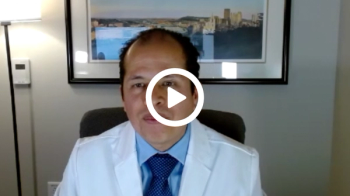
Ariel Lopez-Chavez, MD, discusses how comprehensive genomic profiling may impact the treatment and clinical management of patients with small cell lung cancer.

Ariel Lopez-Chavez, MD, discusses how comprehensive genomic profiling may impact the treatment and clinical management of patients with small cell lung cancer.

CDK4/6 inhibitors like abemaciclib and ribociclib improve invasive disease-free survival in breast cancer trials, but controversy surrounds study designs, bias, and cost-effectiveness, raising critical questions about their clinical benefit.

An FDA application for TAR-200 to treat BCG-unresponsive high-risk non-muscle-invasive bladder cancer is under real-time oncology review, expediting access to this potential treatment.
The FDA set August 29, 2025, as the PDUFA date for the 3-month leuprolide mesylate formulation, supported by phase 3 trial data.
In this episode of Targeted Talks, Sanjay K. Juneja, MD, discusses the exciting advancements of artificial intelligence in 2024.
The FDA granted priority review to datopotamab deruxtecan in advanced EGFR-mutated NSCLC after prior therapies, with a decision expected by July 12, 2025.
R-5780, an oral immuno-oncology drug designed to activate gut-regulated immune pathways, will now be evaluated in a phase 1 trial for cancer treatment.

Enrollment in the LOTIS-5 trial of loncastuximab tesirine-lpyl with rituximab in patients with relapsed/refractory diffuse large B-cell lymphoma has been completed.

The C-POST trial has shown cemiplimab to significantly improve disease-free survival in patients with high-risk cutaneous squamous cell carcinoma following surgery.
LYT-200 now has gained fast track designation from the FDA in acute myeloid leukemia in addition to its prior designation for recurrent or metastatic head and neck squamous cell carcinoma.
The phase 2 trial showed a 42% response rate with lete-cel in synovial sarcoma and MRCLS, with manageable adverse events.
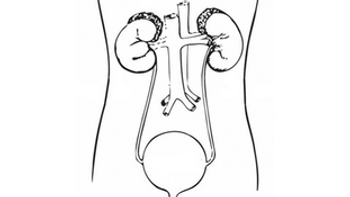
Adding a PD-1 antibody to BCG led to improved event-free survival in patients with non–muscle invasive bladder cancer.
BBO-8520, an investigational oral agent, has been granted fast track designation from the FDA in previously treated KRAS G12C–mutated metastatic non–small cell lung cancer.
The FDA has granted fast track designation to emiltatug ledadotin for advanced or metastatic breast cancer treatment, as supported by new phase 1 data.
The investigational new drug application for the nanoparticle drug SNB-101 has been cleared for small cell lung cancer treatment.
Vusolimogene oderparepvec plus nivolumab showed responses and a favorable safety profile in advanced melanoma post-anti–PD-1 therapy, per phase 2 IGNYTE trial data.
R289 has gained orphan drug status from the FDA for the treatment of patients with myelodysplastic syndromes.
The phase 3 ARES study of MaaT013 in patients with acute GVHD with gastrointestinal involvement met its primary end point of overall response rate at day 28.

The dual T-cell agonist invikafusp alfa achieved a 50% DCR in heavily pretreated anti–PD-1/PD-L1–resistant tumors, per findings at the 2024 SITC Annual Meeting.

In 2024, lung cancer treatment saw significant strides, including the approval of ensartinib for ALK-positive NSCLC and tarlatamab for SCLC. Advances also included December approvals, promising ADC research in NSCLC, and potential future FDA approvals under consideration.

Updated overall survival data from KEYNOTE-564 showed adjuvant pembrolizumab benefits in clear cell renal cell carcinoma, but some patients remain unresponsive.

The phase 3 IRAKLIA trial of subcutaneous isatuximab met its co-primary end points in multiple myeloma.

Cedric Pobel, MD, discusses the design and objectives of the phase 3 PEACE-1 trial for patients with de novo metastatic castration-sensitive prostate cancer.

David Sallman, MD, Moffitt Cancer Center, discussed the trial's impact and the future role of MRD monitoring in treatment strategies for TP53-mutant MDS and AML.
TYRA-300 has gained an investigational new drug application from the FDA and will be further studied in the phase 2 SURF302 trial for patients with low-grade, intermediate-risk non–muscle-invasive bladder cancer.
During the 66th American Society of Hematology Annual Meeting and Exposition, investigators revealed early-phase 1 data evaluating various BTK degraders that leverage different strategies to overcome resistance.

Post-operative nivolumab significantly improved disease-free survival in resected locally advanced head and neck cancer, meeting the primary end point of the phase 3 NIVOPOSTOP trial.

John Seymour, MBBS, FRACP, PhD, explains the mechanism of action of BCL-2 inhibitors like venetoclax.
The NRG-HN004 trial showed that durvalumab did not improve outcomes vs cetuximab in locoregionally advanced head and neck squamous cell carcinoma undergoing radiotherapy with contraindications to cisplatin, leading to early trial closure.
A draft guidance from the FDA outlines criteria for confirmatory trials in accelerated approvals, emphasizing timely initiation, sponsor engagement, and new mandates for oncology treatments.