
The FDA has accepted a supplemental new drug application for the combination of darolutamide and androgen deprivation therapy for the treatment of patients with metastatic hormone-sensitive prostate cancer.

The FDA has accepted a supplemental new drug application for the combination of darolutamide and androgen deprivation therapy for the treatment of patients with metastatic hormone-sensitive prostate cancer.

The bispecific antibody zanidatamab is now the first HER2-targeted therapy approved for patients with locally advanced or metastatic HER2-positive biliary tract cancer.

Santhosh K. Sadashiv, MD, discusses the role of chimeric antigen receptor T-cell therapy in patients with multiple myeloma.
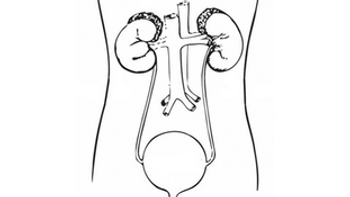
In an interview, Antoni Vilaseca Cabo, MD, discussed the clinical activity of TAR-210 in patients with non-muscle invasive bladder cancer.

Invikafusp alfa showed promise as a treatment option across a range of high tumor mutational burden cancers or virally associated malignancies.

Denise Yardley, MD, discussed results with ribociclib in patients with early-stage breast cancer with no lymph node involvement who were enrolled in the phase 3 NATALEE trial.
Harry Erba, MD, PhD, discusses the specific substudies included in myeloMATCH.
Treatment with pimicotinib achieved a 54% objective response rate at 25 weeks vs 3.2% with placebo in patients with TGCT, significantly reducing stiffness and pain.

The TROPION-Lung12 trial uses a circulating tumor DNA assay to preoperatively screen patients with non–small cell lung cancer for eligibility in post-surgical adjuvant treatment regimens.
The FDA updated the fludarabine phosphate injection labeling under Project Renewal, clarifying the dosage for combination therapy and streamlining safety warnings.

Cesar Rodriguez, MD, discussed several key aspects of talquetamab use in the treatment of relapsed/refractory multiple myeloma.
The FDA granted fast track designation to ALE.P02, an antibody-drug conjugate targeting Claudin-1 (CLDN1), for use in patients with advanced/metastatic CLDN1-positive squamous solid tumors.
Noah S. Kalman, MD, MBA, discusses how oncologists can determine the best course of action for the treatment and management of a patient with thyroid cancer.

Barbara O’Brien, MD, discusses the background behind the phase 2 TBCRC049 study investigating the combination of tucatinib, trastuzumab, and capecitabine for the treatment of patients with HER2-positive breast cancer and leptomeningeal metastasis.

The phase 1 INSIGHT-003 trial showed that adding eftilagimod alpha to pembrolizumab and chemotherapy achieved a median overall survival of 32.9 months in metastatic non–small cell lung cancer.
The FDA has approved FoundationOne Liquid CDx as a companion diagnostic for patients with metastatic non–small cell lung cancer with MET exon 14 skipping alterations eligible for tepotinib.
Jaime Merchan, MD, discusses the background and findings from the LITESPARK-013 trial of belzutifan for the treatment of patients with advanced clear cell renal cell carcinoma.

A pivotal phase 2 trial of WU-CART-007, an anti-CD7 CAR T-cell therapy for relapsed/refractory T-cell acute lymphoblastic leukemia or T-cell lymphoblastic lymphoma treatment, will begin in 2025.
The FDA-cleared Spectral CT 7500 RT, a detector-based computed tomography radiotherapy solution aimed to enhance radiation therapy with spectral 4DCT imaging.

The ECLIPSE trial, a pivotal, phase 3, multi-center, open-label, randomized clinical study, has met its primary end point in metastatic castration-resistant prostate cancer.
The phase 2 CELLVX-230 trial is assessing the potential of FK-PC101 to prevent prostate cancer recurrence and delay additional treatments post-surgery.

The 22nd Annual Winter Lung Cancer Conference® will explore advances in neoadjuvant/adjuvant therapies. The FDA has approved Obe-cel for R/R B-ALL, and new treatments in SCLC, lurbinectedin and tarlatamab, show promise. Apalutamide tops enzalutamide in real-world data for mCSPC, and LBL-034 gains orphan drug designation for multiple myeloma.
The key secondary end point of overall survival was met in the DREAMM-7 trial of belantamab mafodotin for the treatment of patients with relapsed/refractory multiple myeloma.
Revumenib is now an FDA-approved treatment for adult and pediatric patients with relapsed/refractory KMT2A-rearranged acute leukemia.
Yanghee Woo, MD, discusses the details and lasting impact of the CROSS trial in the treatment of gastroesophageal junction and esophageal cancers.
Patient dosing has begun in a phase 1 trial evaluating QXL138AM, a masked immunocytokine targeting CD138, in advanced solid tumors and multiple myeloma.
The FDA has approved a re-engineered formulation of nilotinib with no mealtime restrictions for adult patients with newly diagnosed Ph-positive CP- and AP-CML, or for those resistant or intolerant to prior therapy, including imatinib.
The FDA has approved the investigational new drug application of AS1986NS for prostate cancer detection and treatment.
A new BLA for datopotamab deruxtecan aims for FDA accelerated approval to treat EGFR-mutated NSCLC based on data from multiple TROPION trials, following FDA feedback.