

This week’s recap highlights several significant FDA developments. We also cover ongoing successes of pembrolizumab with chemotherapy in NSCLC.

This week’s recap highlights several significant FDA developments. We also cover ongoing successes of pembrolizumab with chemotherapy in NSCLC.

Mark R. Litzow, MD, discusses the methods and design used in the ECOG-ACRIN E1910 trial.

Neoadjuvant pembrolizumab with chemotherapy led to greater pathologic regression based on percent residual volume tumor vs placebo plus chemotherapy in patients with early-stage non–small cell lung cancer.

Zanubrutinib, obinutuzumab, and venetoclax delivered promising response and survival data for the treatment of patients with mantle cell lymphoma harboring a TP53 mutation.
Jacob E. Berchuck, MD, discusses the potential of liquid biopsies to enhance clinical decision-making regarding PSMA-directed therapies.

Erika Hamilton, MD, discusses how novel endocrine therapies improve treatment for metastatic breast cancer.

Erika Hamilton, MD, discusses some of the most promising endocrine therapies in breast cancer.

Janelle Vicens, DNP, APRN, FNP-BC, and Sandra Sepulveda, AGPNP-BC, MSN, BMTCN, discussed what went into developing this Malignant Hematology and Bone Marrow Transplant APP Fellowship.
Jacob Stein, MD, MPH, discusses how nab-sirolimus improves outcomes for patients with advanced perivascular epithelioid cell tumors compared with other treatments or no treatment options.
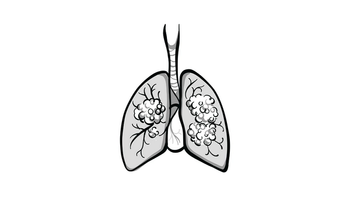
Aumolertinib improved progression-free survival vs placebo in patients with unresectable stage III non–small cell lung cancer, according to data from an interim analysis of the phase 3 POLESTAR trial.
Noah S. Kalman, MD, MBA, discusses the most common types of thyroid cancer and their respective prognoses.

Following discussions on ado-trastuzumab emtansine and fam-trastuzumab deruxtecan-nxki, Tanya Gupta, MD, discusses sacituzumab govitecan and its approval from the FDA in the breast cancer space.

In an interview with Targeted Oncology, Erika Hamilton, MD, discussed emerging endocrine therapies that are advancing breast cancer treatment.

The FDA accepted the new drug application for TLX101-CDx and granted priority review to the agent in glioma.
John Seymour, MD, discusses the development and clinical application of BCL-2 inhibitors for the treatment of CLL.

Ivonescimab reduced the risk of disease progression or death by 49% compared with pembrolizumab in patients with PD-L1–positive advanced non–small cell lung cancer.
Tanya Gupta, MD, evaluates fam-trastuzumab deruxtecan-nxki and its role in breast cancer treatment.

In an interview with Targeted Oncology, Hina Saeed, MD, discussed how AI and radiomics are changing the landscape of radiation oncology.

Findings from 3 quality improvement initiatives presented at the ACCC National Oncology Conference shed light on the feasibility and importance of these projects at the community level.
Recent advancements in protein engineering, especially antibody-drug conjugates, show promise in lung cancer treatment, with ivonescimab outperforming pembrolizumab in PD-L1-positive advanced non-small cell lung cancer.
Tanya Gupta, MD, discusses the use of ado-trastuzumab emtansine for the treatment of patients with HER2-positive breast cancer.
ADRX-0405 is a novel antibody-drug conjugate targeting STEAP1, and a phase 1a/b study will investigate the agent for the treatment of advanced solid tumors.
While there have been exciting advancements in the treatment of B-cell acute lymphoblastic leukemia over the course of the past decade, the treatment of older adults remains a challenge.

Sarah Sammons, MD, discusses some of the problems seen with brain metastasis in HER2-positive metastatic breast cancer.
The new drug application resubmission of rivoceranib/camrelizumab in the first line in unresectable or metastatic hepatocellular carcinoma is supported by the final survival analysis of CARES-310 trial.
The FDA has approved the Ion Torrent Oncomine Dx Target Test as a companion diagnostic to identify patients eligible for treatment with vorasidenib.
Gilead, manufacturer of the TROP2-directed antibody-drug conjugate sacituzumab govitecan, made the decision to withdraw the agent in consultation with the FDA.
Janet L. Abrahm, MD, FACP, FAAHPM, discussed the high rates of oncologist burnout and compassion fatigue.
Promising results from the anti–LAG-3/anti–PD-1 combo for melanoma, FDA approval of inavolisib for PIK3CA-mutant breast cancer, significant survival benefits from talazoparib and enzalutamide in prostate cancer, and the launch of the TWINPEAK trial for gastric cancers.
Robert L. Ferris, MD, PhD, highlights groundbreaking advancements presented at the recent World Congress on Lung Cancer held in San Diego, California.