

A new study found that adding daratumumab to lenalidomide, bortezomib, and dexamethasone significantly improved outcomes for older patients with newly diagnosed multiple myeloma.

A new study found that adding daratumumab to lenalidomide, bortezomib, and dexamethasone significantly improved outcomes for older patients with newly diagnosed multiple myeloma.

In an interview, Jeffrey Wong, MD, and Anthony Stein, MD, provided an in-depth discussion on a phase 2 trial of total marrow and lymphoid irradiation with cyclophosphamide and etoposide in high-risk acute leukemia.
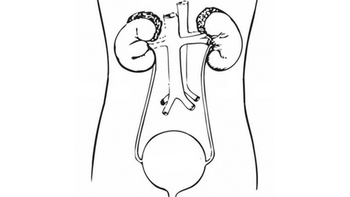
Results from cohort 2 of the TROPHY-U-01 study showed that sacitizumab govitecan led to rapid responses in patients with locally advanced or metastatic urothelial carcinoma.
A new combination therapy involving sonrotoclax and dexamethasone demonstrated safety, antitumor activity, and early responses in heavily pretreated patients with relapsed/refractory multiple myeloma harboring t(11:14).

Debaters Andres Chang, MD, PhD, and Jean Louise Koff, MD, MS, led the verbal battle at the Debates and Didactics in Hematology and Oncology Conference held from July 25 to 28, 2024, in Sea Island, Georgia.
A novel, all-oral combination regimen of mezigdomide, tazemetostat, and dexamethasone demonstrated early signals of activity and a tolerable safety profile in patients with highly refractory multiple myeloma.
The application is supported by results from the phase III DESTINY-Breast06 trial.
A new combination therapy involving belantamab mafodotin, carfilzomib, lenalidomide, and dexamethasone showed promising results in patients with multiple myeloma who had received 1 prior line of therapy.

Savita Dandapani, MD, PhD, discussed combining radium-223 and SBRT for metastatic castration-sensitive prostate cancer.
A new allogeneic CAR T-cell therapy, P-BCMA-ALLO1, has shown promising results in treating heavily pretreated patients with relapsed/refractory multiple myeloma.
The CARTITUDE-4 study found that cilta-cel reduced the risk of death by 45% compared to standard of care in patients with multiple myeloma.

Chunhui Han, PhD, discusses what biology-guided radiotherapy is and how it differs from traditional radiotherapy techniques.

Ashraf Z. Badros, MB, ChB, discusses the key takeaways from the phase 3 AURIGA trial.

In an interview, Prithviraj Bose, MD, discussed the multiple JAK inhibitors available for the treatment of patients with myeloproliferative neoplasms.
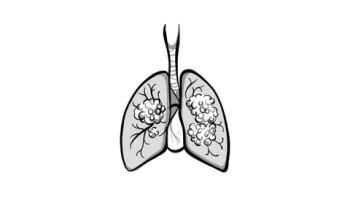
Percy Lee, MD, discussed findings from a trial evaluating a hypofractionated approach to concurrent chemoradiation, incorporating an adaptive stereotactic ablative radiotherapy boost in non–small cell lung cancer.

Partow Kebriaei, MD, discusses what factors may influence the decision for transplant in patients with acute lymphoblastic leukemia and how experts determine who is best fit for transplant.

NKT2152 makes strides in RCC, the amivantamab/chemotherapy combination receives approval for EGFR-mutant NSCLC, and experts discuss the future of AML. We also highlight the approval of the 420-mg dose of the trastuzumab biosimilar and offer a focused recap of intriguing data presented at this year’s ESMO Congress.
A study found that anito-cel is a promising CAR T-cell therapy for relapsed/refractory multiple myeloma with high efficacy and manageable safety.
A new CAR T-cell therapy, durcabtagene autoleucel, showed promising results in treating relapsed/refractory multiple myeloma with high response rates and manageable adverse effects.

TH17 cells may be a potential biomarker to predict the risk of immune-related adverse events in patients with metastatic melanoma receiving the combination therapy of nivolumab, ipilimumab, and tocilizumab.
In an interview with Targeted Oncology, Chunhui Han, PhD, discussed the use of Ga 68 PSMA-11 for the imaging of metastatic sites in patients with prostate cancer.
Daratumumab plus VRd is a more effective frontline treatment option for patients who cannot undergo immediate transplant, offering a promising approach to deeper disease response.
Maintenance therapy with daratumumab and lenalidomide led to higher MRD-negative conversion rates compared to lenalidomide alone in newly diagnosed multiple myeloma patients following transplant.
Missak Haigentz, MD, highlights some of the significant unmet needs for patients with small cell lung cancer.
Isa-KRd showed deep responses, high MRD negativity rates, and manageable safety in patients with newly diagnosed, transplant-eligible multiple myeloma, as per interim analysis of the IFM2020-02 MIDAS study.
The FDA granted traditional approval to selpercatinib for the treatment of advanced or metastatic RET-mutated medullary thyroid cancer in patients aged 2 years and older.

Michael J. Mauro, MD, discusses decision-making for patients with chronic myeloid leukemia.
In TRIMM-2, an overall response rate of 82% was seen amon patients given talquetamab plus daratumumab and pomalidomide in patients with relapsed/refractory multiple myeloma.
Olomorasib with pembrolizumab in the first-line showed a 77% overall response rate in patients with KRAS G12C–mutated metastatic non–small cell lung cancer.
Binod Dhakal, MD, MS, discusses some of the challenges often seen in the myeloma space, particularly those with lenalidomide-refractory multiple myeloma.