

A new drug combination, talquetamab and teclistamab, shows promising results in treating patients with heavily pretreated multiple myeloma, with high response rates and durable responses.

A new drug combination, talquetamab and teclistamab, shows promising results in treating patients with heavily pretreated multiple myeloma, with high response rates and durable responses.

Saad Z. Usmani, MD, MBA, FACP, FASCO, discusses the phase 3 CEPHEUS trial of daratumumab with bortezomib, lenalidomide, and dexamethasone in patients with newly diagnosed multiple myeloma.

Camrelizumab increased the 3-year event-free survival rate vs standard of care from 77.3% to 86.9%, translating to a 44% reduced risk of death or relapse in patients with nasopharyngeal carcinoma.

The FDA’s Oncologic Drug Advisory Committee voted against the use of checkpoint inhibitors in esophageal cancer with PD-L1 expression less than 1.

David Sallman, MD, discusses some of the innovative therapies and strategies being investigated in myelodysplastic syndromes studies.

A supplemental new drug application seeking expanded indication for darolutamide combined with androgen deprivation therapy for the treatment of metastatic hormone-sensitive prostate cancer has been submitted to the FDA.
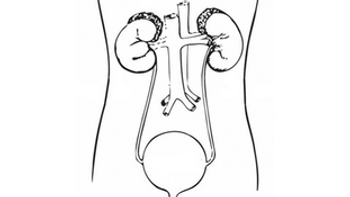
Arnab Basu, MD, MPH, FACP, discussed his research on high-sensitivity circulating tumor DNA assays in genitourinary malignancies.
The FDA’s Oncologic Drug Advisory Committee voted against the use of checkpoint inhibitors in first-line advanced gastric cancer with PD-L1 expression less than 1.
In this episode of Targeted Talks, Virginia Kaklamani, MD, DSc, discusses the background, findings, and implications of the phase 3 EMERALD trial.

With immunotherapy-based regimens and novel agents like bispecific antibodies and antibody-drug conjugates, oncologist David R. Spigel, MD, is optimistic about the future of small cell lung cancer treatment.
Osimertinib is now an FDA-approved therapy for stage III NSCLC with EGFR exon 19 deletions or exon 21 L858R mutations that did not progress during or following platinum-based chemoradiation.
Arnab Basu, MD, MPH, FACP, discusses his research on high sensitivity circulating tumor DNA assays in genitourinary malignancies.
Missak Haigentz, MD, discussed the implications and next steps of the ADRIATIC study in patients with limited-stage small cell lung cancer.

A phase 3 clinical trial studying favezelimab in combination with pembrolizumab for the treatment of patients with previously treated PD–L1-positive metastatic colorectal cancer failed to meet its primary end point of overall survival.

GLP-1 agonists, widely used for obesity and diabetes management, have been associated with a reduced risk of most obesity-related cancers, offering promise in decreasing the overall cancer burden in the US.
The novel agent LP-184 has been granted rare pediatric disease designations in malignant rhabdoid tumors, rhabdomyosarcoma, and hepatoblastoma.
Suresh S. Ramalingam, MD, FACP, FASCO, discusses the background and next steps of the LAURA study which evaluated osimertinib for the treatment of patients with unresectable stage III non–small cell lung cancer with EGFR mutations.

Geoffrey D. Young, MD, PhD, FACS, discussed the many advances in thyroid cancer management and treatment, highlighting what a community oncologist should be aware of.
A new drug application has been resubmitted to the FDA for the combination of camrelizumab and rivoceranib as a first-line treatment for unresectable hepatocellular carcinoma, following a complete response letter in May 2024.

Findings from the phase 3 SIERRA study showed that Iomab-B was associated with a higher durable complete response rate vs allogeneic cell transplant in older patients with relapsed/refractory acute myeloid leukemia.

Analysis of the TROPION-Breast01 study showed that treatment with Dato-DXd did not significantly improve overall survival compared with chemotherapy in HR-positive, HER2-low or -negative breast cancer.
Prithviraj Bose, MD, provides an overview of the different JAK inhibitors currently available for patients with myeloproliferative neoplasms.
The FDA granted fast track designation to EO-3021 for the treatment of advanced or metastatic gastric and gastroesophageal junction cancers expressing Claudin 18.2, which have progressed after prior therapy.

Efficacy findings from the phase 2 AGAVE-201 support the use of axatilimab, which was approved by the FDA for recurrent or refractory chronic graft-vs-host disease in August 2024.

Adagrasib bests docetaxel in pretreated KRAS G12C-NSCLC, adding nivolumab to tivozanib in metastatic RCC underwhelms, and T-DXd shows improvement in HER2+ breast cancer with brain metastases.

Anil Parwani, MD, PhD, discusses the challenges and opportunities he has encountered in either implementing or utilizing artificial intelligence technology in the clinical setting.

Hamlet Gasoyan, MD, discusses what to know from a study that found there to be disparities in time to treatment with oral antimyeloma medications when used in patients with newly diagnosed multiple myeloma.
The approval is supported by data from the phase 3 IMROZ study which demonstrated superior progression-free survival with isatuximab plus VRd vs VRd alone in patients with newly diagnosed, transplant-ineligible multiple myeloma.
Xiuning Le, MD, PhD, delved into the background, findings, and next steps of the SOHO-01 study.
Jacob E. Berchuck, MD, discusses research behind using a blood-based liquid biopsy over traditional PSMA PET scans presented at the 2024 ESMO Congress.