

Narjust Florez, MD, shared insights into emerging issues seen for young patients with lung cancer facing fertility and pregnancy and the urgent need for tailored guidelines and research.

Narjust Florez, MD, shared insights into emerging issues seen for young patients with lung cancer facing fertility and pregnancy and the urgent need for tailored guidelines and research.

David Spigel, MD, discussed the findings and implications from the phase 3 ADRIATIC study of durvalumab in small cell lung cancer presented at the 2024 ASCO Annual Meeting.

The FDA has approved adagrasib plus cetuximab for KRAS G12C metastatic colorectal cancer based on data from the KRYSTAL-1 study.

New or worsening anemia did not appear to reduce the clinical benefit of ruxolitinib in myelofibrosis patients, and the median overall survival was similar between patients with and without new or worsening anemia.

Vitaly Margulis, MD, discusses the key takeaways and next steps of the Apa-RP study of apalutamide plus androgen deprivation therapy in patients with high-risk localized prostate cancer.
Vitaly Margulis, MD, reflects on the secondary end points findings and safety data from the Apa-RP study in high-risk localized prostate cancer.

Recommendations on adoptive cell therapy with tumor-infiltrating lymphocytes that address the newly approved therapy lifileucel explore safe administration practices and optimal patient selection based on individual characteristics.
In a prognostic study, an artificial intelligence model significantly outperformed oncologists in predicting short-term mortality, resulting in a 60% positive predictive value vs 34.8%, which involved 57 physicians and 17 advanced practice clinicians.
Michael Serzan, MD, discusses what a community oncologist should know about the phase 2 ARCITECT trial for patients with clear cell renal cell carcinoma.
The phase 2 PONALFIL trial evaluating a ponatinib regimen shows promise for long-term survival in adult patients with newly diagnosed Philadelphia chromosome–positive acute lymphoblastic leukemia.
Vitaly Margulis, MD, discusses the significance of a 100% biochemical recurrence-free rate at 2 years, and what this means for patients with high-risk localized prostate cancer.
Vitaly Margulis, MD, discusses the Apa-RP study of adjuvant treatment consisting of apalutamide and androgen deprivation therapy in patients with high-risk localized prostate cancer.
The national shortage of nurses and health care support staff has spilled over to the clinical research space.

Jay Spiegel, MD, discusses what led to the initiation of a phase 2 study evaluating CRG-022 in patients with relapsed/refractory large B-cell lymphoma following treatment with CD19-directed CAR T-cell therapy.

Capivasertib combined with paclitaxel failed to improve overall survival in a phase 3 trial CAPItello-290 in metastatic triple-negative breast cancer, missing the study’s dual primary end points.

Zanubrutinib plus venetoclax achieved a 100% overall response rate in patients with treatment-naive CLL/SLL harboring 17p deletions and/or TP53 mutations.
Bradley McGregor, MD, discusses how ongoing trials hold the key for further breakthroughs in genitourinary cancer treatment.

The standard first-line treatment for patients with HER2-positive metastatic breast cancer is pertuzumab and trastuzumab, which are anti-HER2 antibodies, plus a taxane.

Lurbinectedin and irinotecan in the second line delivered a favorable risk/benefit profile and high, durable response rates in patients with high risk factors in small cell lung cancer.
Paolo Ghia, MD, PhD, discusses safety and efficacy findings from a 5-year update of the phase 2 CAPTIVATE trial for chronic lymphocytic leukemia and/or small lymphocytic lymphoma treatment.

A deep and durable response rate was seen with linvoseltamab for the treatment of patients with relapsed/refractory multiple myeloma.
While the primary end point of overall survival was not met in the phase 3 RESILIENT study, the overall response rate was 44.1% vs 21.6% with liposomal irinotecan vs topotecan in relapsed small cell lung cancer.

Modified FOLFIRINOX with nivolumab in the neoadjuvant setting was associated with favorable rates of R0 resection in patients with borderline resectable pancreatic cancer.
ZW171, a bispecific antibody targeting MSLN-expressing cancers, has shown promising preclinical results and plans for further regulatory submissions outside the US in late 2024.

The 2-year investigator-assessed event-free survival rate in the intent-to-treat population of patients with high-risk head and neck squamous cell carcinoma was 67.4% with atezolizumab.

Mark A. Lewis, MD, discusses the exciting progress of dostarlimab in treating rectal cancer.
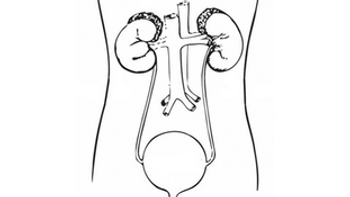
The phase 3 ENVISION study investigating UGN-102 previously met its primary end point of complete response rate.

Pembrolizumab plus standard-of-care chemotherapy improved survival in patients with endometrial cancer vs chemotherapy alone.
Bradley McGregor, MD, discusses background of the DAD trial evaluating sacituzumab govitecan-hziy in combination with enfortumab vedotin-ejfv for the treatment of patients with treatment-resistant metastatic urothelial carcinoma.
Encouraging trends were seen with osimertinib and platinum-pemetrexed chemotherapy in patients with EGFR-mutated advanced non–small cell lung cancer in the phase 3 FLAURA2 study.