


Funda Meric-Bernstam, MD, discusses fam-trastuzumab deruxtecan-nxki and the evaluation of the agent in the phase 2 DESTINY-PanTumor02 trial.


Your AI-Trained Oncology Knowledge Connection!
Funda Meric-Bernstam, MD, discusses fam-trastuzumab deruxtecan-nxki and the evaluation of the agent in the phase 2 DESTINY-PanTumor02 trial.

Following early efficacy demonstrated with DKN-01, bevacizumab, and chemotherapy in part A of the DeFianCe study, part B has begun enrolling patients with advanced colorectal cancer.

In an interview with Targeted Oncology, Daniel G. Stover, MD, highlighted the objective to enhance delivery of endocrine therapy plus CDK4/6 inhibitors to patients with hormone receptor-positive, HER2-negative breast cancer by utilizing biomarker assessments as a guide to interchange or cease treatment at the most favorable time.

Bradley J. Monk, MD, FACS, FACOG, discusses the rationale behind the KEYNOTE-826 study.

The FDA approves of the phase 3 IOV-LUN-202 study design, which will include approximately 120 patients with post-anti-PD-1 non–small cell lung cancer to be treated with LN-145.
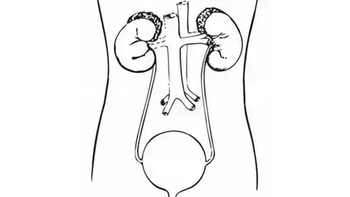
Discussing findings from a phase 1/2 study, Sarah P. Psutka MD, looks at the use of acupuncture for patients with non muscle-invasive bladder cancer prior to induction of their BCG treatment.
Following positive phase 2 results from the ROSEWOOD study, BeiGene is seeking FDA approval of zanubrutinib plus obinutuzumab for select patients with relapsed/refractory follicular lymphoma.

With a voluntary pause in enrollment in place, data surrounding treatment-emergent adverse events seen in patients with diffuse large B-cell lymphoma treated with Lonca-R can be evaluated further.

In an interview with Targeted Oncology, George Nahas, DO, discussed relevant research on chimeric antigen receptor therapy, bispecifics, and more that are moving the needle in multiple myeloma research.
A further look at nivolumab combined with cisplatin-based chemotherapy outside of the primary CheckMate-901 study shows survival benefit for the study combination.

Enrollment in the confirmatory phase 3 RAMP 301 study of avutometinib combined with defactinib in low-grade serous ovarian cancer is anticipated to begin in the second half of this year.

Without requiring additional therapy, 2 patients with non–small cell lung cancer treated with THIO and cemiplimab remained free of disease progression in the phase 2 THIO-101 study.
The most effective regimen has yet to be determined for patients with EGFR-mutated non–small cell lung cancer after progression on an EGFR-tyrosine kinase inhibitor.

The most effective regimen has yet to be determined for patients with EGFR-mutated non–small cell lung cancer after progression on an EGFR-tyrosine kinase inhibitor. But chemotherapy regimens remain standard.

In the phase 3 TIGeR-PaC study, intra-arterial administration of gemcitabine demonstrated positive progression-free and overall survival outcomes in patients with locally advanced pancreatic cancer.

Eric A. Singer, MD, discusses recent research evaluating adjuvant therapies for patients with high-risk renal cell carcinoma.

Progression-free survival data from the phase 3 TROPION-Lung01 trial showed that datopotamab deruxtecan as treatment of metastatic non–small cell lung cancer crossed the threshold for statistical significance.
The partial clinical hold on the TakeAim Leukemia trial exploring emavusertib in patients with acute myeloid leukemia and myelodysplastic syndrome has been lifted.
Joseph M. Scandura, MD, PhD, discusses research regarding pelabresib for patients with myeloproliferative neoplasms.

Michael Wang, MD, discusses the background of the phase 3 BRUIN MCL-321 trial and how positive results may shape the future of the mantle cell lymphoma space.

An investigation of treatment with concurrent paxalisib and whole brain radiotherapy is underway in a phase 1 clinical trial.

A trial of targeted treatment with improved drug delivery to the brain met its primary end point for overall survival in patients with recurrent glioblastoma.
The FDA plans to conduct a speedy review of an approval application for zolbetuximab in first-line locally advanced, unresectable, or metastatic HER2-negative, claudin18.2-positive gastric or gastroesophageal junction adenocarcinoma.
The combination of botensilimab and balstilimab combination showed a survival benefit, regardless of RECIST 1.1 responses, among patients with metastatic, heavily pretreated, microsatellite stable colorectal cancer.

Ruchi Garg, MD, discusses the option of immunotherapy for the treatment of endometrial cancer.
In an interview with Targeted Oncology, BJ Rimel, MD, discussed the rationale, methods, and design of this phase 2 study for patients with endometrial cancer.

An investigation of selective targeting of A2AR in patients with certain solid tumors is underway in a first-in-human study.
The NDA for ready-to-dilute cyclophosphamide injection has been approved by the FDA for various types of cancers.
Data from an early access program and the eNRGy trial evaluating zenocutuzumab have led the FDA to grant the agent breakthrough designation for patients with NRG1 fusion-positive pancreatic cancer.

In an interview with Targeted Oncology, Arturo Loaiza-Bonilla, MD, MSEd, discussed the growing use of artificial intelligence in oncology practices. Loaiza-Bonilla is a medical oncologist and cofounder of Massive Bio, a company that uses AI to connect oncologists and patients with cancer to clinical trials of novel treatments.