

A phase 2 trial for the treatment of gastric, esophageal, and gastroesophageal junction cancer is evaluating agenT-797 with botensilimab, balstilimab, ramucirumab, and paclitaxel.

A phase 2 trial for the treatment of gastric, esophageal, and gastroesophageal junction cancer is evaluating agenT-797 with botensilimab, balstilimab, ramucirumab, and paclitaxel.

Raajit K. Rampal, MD, PhD, discusses some of the key takeaways from the 2023 American Society of Hematology Annual Meeting and what he believes holds promise for the space in 2024.

Liposomal irinotecan with 5-fluorouracil, leucovorin, and oxaliplatin (NALIRIFOX) is now an FDA-approved treatment option for patients with metastatic pancreatic ductal adenocarcinoma.

A trial investigating REM-001 therapy in cutaneous metastatic breast cancer has been initiated.

In an interview, Ira Zackon, MD, emphasized the need for community-based, inclusive care, and the importance of utilizing technology to address disparities in the modern era of chronic lymphocytic leukemia treatment.

The FDA has granted fast track designation to BXCL701 with an immune checkpoint inhibitor for metastatic small cell neuroendocrine prostate cancer resistant to chemotherapy and showing no evidence of microsatellite instability.
Eric Schroeder, MD, discusses how treatments for patients with ovarian cancer have evolved in recent years.

In an interview with Targeted Oncology, Clara Hwang, MD, discussed the notable differences in molecular alterations observed in the retrospective cohort study among Black men with metastatic castration-resistant prostate cancer compared with White men.
There are currently no FDA-approved agents for relapsed peripheral T-cell lymphoma, and soquelitinib has the potential to fill an unmet need.
The phase 1 study of HEMO-CAR-T in patients with acute myeloid leukemia can proceed following the lifted clinical hold.
212PB-DOTAMTATE is the first targeted alpha therapy to receive a breakthrough therapy designation in this intent-to-treat population.
The FDA has accepted Xspray Pharma's resubmitted application for Dasynoc, a potential new treatment for chronic myeloid leukemia and acute lymphoblastic leukemia.


John Nakayama, MD, discusses the significance of the NRG GY018 study in endometrial cancer.
Chirag Shah, MD, discussed findings from the PREDICT study which looked at DCISionRT testing for patients with ductal carcinoma in situ breast cancer.

The study demonstrates the potential ctDNA holds for prognosis and risk stratification in patients with early-stage endometrial cancer.

Whole-exome sequencing identified genetic mutations associated with poorly differentiated thyroid cancer, paving a new path for research in the field.

The FLAURA2 study found that osimertinib with platinum-pemetrexed was more effective than osimertinib monotherapy in preventing central nervous system progression or death in patients with EGFR-mutated advanced non–small cell lung cancer.
Hatem Soliman, MD, discusses what unmet needs still have to be addressed in the HER2-positive breast cancer space.

In an interview with Targeted Oncology, Bruce Feinberg, DO, discussed the importance of real-world data, highlighting recent findings on tafasitamab for the treatment of patients with relapsed/refractory diffuse large B-cell lymphoma in the United States.
Goserelin is now included in the NCCN Breast Cancer Panel guidelines at 2 dosing schedules for ovarian function suppression in Version 1.2024.

For Gallbladder Cancer Awareness Month, Horacio J. Asbun, MD, and Domenech Asbun, MD, shared their thoughts and strategies for treating patients with this disease from the surgical and clinical sides.

Regina Barragan-Carrillo, MD, discusses findings from a large population-based study which found there to be significantly higher rates of nephrectomy among patients with renal cell carcinoma who had received prior thymectomy vs the incidence of nephrectomy overall.
Magrolimab will no longer be in development as a treatment option for patients with hematologic malignancies.
In an interview with Targeted Oncology, Regina Barragan-Carrillo, MD, discussed the findings from her analysis of the Language of Respect guidelines adopted by the American Society of Clinical Oncology and how well they are followed in prostate cancer abstracts.
Along with the FDA, the European Medicines Agency has also accepted the application of nivolumab and chemotherapy in operable non–small cell lung cancer.

Fruquintinib combined with paclitaxel significantly improved progression-free survival in patients with advanced gastric/GEJ cancer compared with paclitaxel alone.

According to an interim analysis of the DREAMM-7 trial, belantamab mafodotin, bortezomib, and dexamethasone achieved a statistically significant and clinically meaningful improvement in progression-free survival among patients with multiple myeloma.
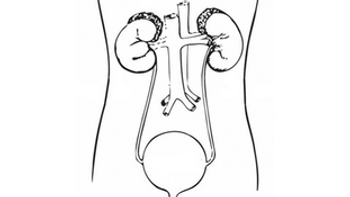
Available data on patient-reported outcomes and positive interim results from QUILT 3.032 support N-803 for patients with Bacillus Calmette-Guérin-unresponsive non-muscle-invasive bladder cancer.

Combining olaptesed pegol with bevacizumab and radiotherapy showed a 10-fold improvement in survival rate compared with the standard-of-care among patients with glioblastoma.