

ISB 1442, a 2+1 biparatopic bispecific antibody that has CD38 and CD47 targeting domains, has received an orphan drug designation from the FDA and is being assessed in a phase 1/2 clinical trial for patients with multiple myeloma.

ISB 1442, a 2+1 biparatopic bispecific antibody that has CD38 and CD47 targeting domains, has received an orphan drug designation from the FDA and is being assessed in a phase 1/2 clinical trial for patients with multiple myeloma.

A study of isatuximab and cemiplimab in 3 lymphoma subtypes will not continue, for reasons unrelated to safety.

Ripretinib will be evaluated in a phase 3 trial for patients with gastrointestinal stromal tumor after being added to the NCCN guidelines and receiving 2 breakthrough therapy designations from the FDA.
At a prespecified analysis of the CARTITUDE-1 trial with a median follow-up of approximately 28 months, treatment with cilta-cel continued to elicit positive responses and maintained a favorable risk/benefit profile for patients with multiple myeloma.
PBP1510 has received a fast track designation from the FDA for patients with unresectable or metastatic pancreatic adenocarcinoma that has relapsed following and/or is refractory to at least 1 prior line therapy.

In an interview, Randall Oyer, MD, explained the need to improve the impact of treatment-related adverse reactions using a multidisciplinary approach to enhance the lives of cancer survivors.
Anti-VISTA therapy may be the therapy type to be used with PD-1/PD-L1 inhibitors to treat patients with advanced solid tumors, expert say. One agent, KVA12123, has just entered phase 1 clinical research.

Robert J. Soiffer, MD, discusses the role of transplantation and relapse after transplant for patients with cancer.

Two studies of patritumab deruxtecan in patients with EGFR-mutated metastatic non–small cell lung cancer and HER3-expressing metastatic breast cancer revealed promising overall response, disease control, progression-free survival rates, and more.
In an interview with Targeted Oncology, Hitomi Hosoya, MD, discussed the potential use of ctDNA in the myeloma space, including its ability to sequence BCMA-targeted therapies and reduce the need for bone marrow exams.
The phase 3 KeyVibe-002 trial of pembrolizumab and vibostolimab did not meet its primary end point of progression-free survival and was numerically less effective than docetaxel in patients with non–small cell lung cancer
The combination of CDK9 plus BTK inhibition has already demonstrated synergistic clinical efficacy vs BTK inhibition alone. Now, a clinical trial collaboration will evaluate PRT2527 and zanubrutinib for patients with hematologic malignancies.
A case report published in The Journal of the National Comprehensive Cancer Center highlights the importance of being mindful of unusual adverse events associated with BRAF/MEK inhibition for patients with BRAF-mutated non–small cell lung cancer.

The phase 3 EMBARK trial of enzalutamide plus leuprolide is the first to elicit a statistically significant improvement in metastasis-free survival in non-metastatic hormone-sensitive prostate cancer with high-risk biochemical recurrence.

Yuri E. Nikiforov, MD, PhD, discusses the reclassification of noninvasive follicular thyroid neoplasm with papillary-like nuclear features, which has significantly influenced the thyroid cancer space.
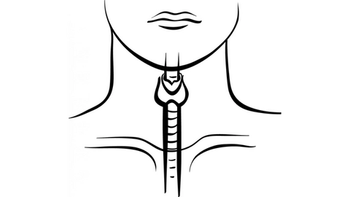
In an interview with Targeted Oncology, Yuri E. Nikiforov, MD, PhD, discussed what led to the reclassification of NIFTP and the incidence of thyroid cancer in patients.

Findings from the phase 2 Study CDRB436G2201 trial have led the FDA to approve dabrafenib combined with trametinib for pediatric patients with BRAF V600E-mutated low-grade glioma who require systemic therapy.
Carolyn Owen, MD, discusses data from the phase 3 GLOW study which were presented at the 10th Annual Meeting of the Society of Hematologic Oncology.
In an interview with Targeted Oncology, Aime T. Franco, PhD, discussed the molecular landscape of pediatric patients with thyroid cancer and the presentation she gave at the 91st Annual Meeting of the American Thyroid Association.
The newly approved supplemental new drug application for Illuccix by the FDA will enable patients with prostate cancer to be identified and selected for radioligand therapy.
Investigators from the China ARCHES trial of enzalutamide plus androgen deprivation therapy announced that it had met its primary end point in Chinese patients with metastatic hormone-sensitive prostate cancer.
Preclinical and phase 1/2a data evaluating the safety and tolerability of EP0042 in patients with relapsed or refractory acute myeloid leukemia has led the FDA to grant an orphan drug designation to the agent.

Anna Jo Bodurtha Smith, MD, discusses background on her research regarding insurance-mediated disparities in gynecologic oncology.
Results were published from a phase 1b trial of patients with higher-risk myelodysplastic syndromes, showing strong efficacy and safety outcomes.

Ripretinib now has 2 breakthrough therapy designations from the FDA and has been added to the NCCN guidelines for gastrointestinal stromal tumor.

Promising findings from the phase 2 ELAINE-1 and ELAINE-2 trials have led to the start of a phase 3 study where investigators will evaluate lasofoxifene and abemaciclib as a treatment for patients with ER-positive/HER2-negative breast cancer and an ESR1 mutation.
As a result of the FDA’s clinical hold on the phase 1 trial, no patients with HER2-positive recurrent or metastatic solid tumors will be enrolled or dosed with XMT-2056.

Vorasidenib may break a 20-year gap in treatment advances for IDH-mutant low-grade glioma, according to phase 3 findings from the INDIGO study.

During a Targeted Oncology™ Case-Based Roundtable™ event, Richard Finn, MD, discussed how treatment options for patients with hepatocellular carcinoma have advanced in recent years.
CYAD-01, an autologous CAR T-cell therapy, was tolerable and showed activity in patients with acute myeloid leukemia, myelodysplastic syndromes, and multiple myeloma.