

A manageable side-effect profile, signal of efficacy, and 36% increase in the recommended phase 2 dose (RP2D) was seen with a step-up dosing regimen of tebentafusp in patients with metastatic uveal melanoma.

A manageable side-effect profile, signal of efficacy, and 36% increase in the recommended phase 2 dose (RP2D) was seen with a step-up dosing regimen of tebentafusp in patients with metastatic uveal melanoma.

Mark Markowski, MD, PhD, discusses the design of a phase 1B/2 study of sabizabulin in men with metastatic castration-resistant prostate cancer who have had treatment and progression on an androgen receptor–targeting agent.

The ASCO’s expert panel released updated recommendations of pembrolizumab in combination with neoadjuvant chemotherapy for patients with stage II or stage III early triple-negative breast cancer

Enrollment has been completed for the phase 3 PRESERVE 1 trial of trilaciclib in patients with metastatic colorectal cancer receiving chemotherapy.

Patients with relapsed/refractory diffuse large B-cell lymphoma who benefit most from novel therapies vs patients who would likely do well with standard treatment were identified among all curatively treated patients in Sweden from 2007 to 2014.

The FDA has received a new drug application for momelotinib as treatment of patients with myelofibrosis.

In an interview with Targeted Oncology, Raajit Rampal, MD, PhD, discussed the recent advances in myelofibrosis and what his hopes are for the future of this space.
Research is ongoing to explore all potential uses for circulating tumor DNA to help reduce the global burden of colorectal cancer.

Data regarding the triplet combination of nivolumab, ipilimumab, and cabozantinib show clinical activity across multiple tumor types, giving a preview of future outcomes in patients with untreated, advanced renal cell carcinoma.
Karen L. Reckamp, MD, discusses the Lung-MAP nonmatched substudy S1800A for patients with non–small cell lung cancer who were previously treated with immune checkpoint inhibitors and develop resistance.
In an interview with Targeted Oncology, Mazyar Shadman, MD, MPH, discussed his research of MB-106 as treatment for patients with relapsed or refractory B-non-Hodgkin lymphoma and chronic lymphocytic leukemia.
The excitement surrounding advances and improved outcomes in very difficult-to-treat diseases is palpable. Yet the complexities of these therapies also bring their own complications.
Results from the phase 3 CLEAR trial showed lenvatinib plus everolimus to have a statistically significant improvement in progression-free survival and objective response rate compared with those given sunitinib.

Pediatric low-grade glioma is the most common type of brain tumor found in children with cancer, and there are currently no approved treatments or standard of care to combat it.
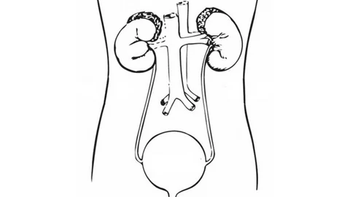
In an interview with Targeted Oncology, Sumanta Pal, MD, PhD, discussed the COSMIC-021 study of cabozantinib and atezolizumab across multiple tumor types, including advanced urothelial carcinoma.

A tumor genomic profiling program has shown feasibility and clinical impact for pediatric patients who are high-risk de novo and relapsed/refractory.
On the heels of positive phase 1 data, the phase 3 TROPION-Breast02 clinical trial has begun dosing of datopotamab deruxtecan in select patients with metastatic triple-negative breast cancer.

Single-agent dostarlimab-gxly elicited a clinical complete response rate of 100% with no evidence of residual tumor in patients with stage II/III mismatch repair–deficient locally advanced rectal cancer.

Marcin Kortylewski, PhD, discusses some of the goals and findings of his research on blocking STAT3 in acute myeloid leukemia cells.

Florida Cancer Specialists & Research Institute, LLC's oral oncolytic specialty pharmacy, Rx To Go, has earned URAC accreditation for Specialty Pharmacy.

In this month's 10-year anniversary issue of Targeted Therapies in Oncology™, we feature an article on the evolution of immunotherapy approaches in oncology over the past decade.
In an interview with Targeted Oncology, Nathan Pennell, MD, PhD, discussed the basis of the LOXO-NGR-21001 trial evaluating LOXO-260 in patients who have previously received a prior selective RET inhibitor.
Interim analysis of the phase 2 RAGNAR trial shows promising efficacy and safety with the use of erdafitinib in patients with a variety of FGFR-driven solid tumors.

Clinically meaningful efficacy seen with epcoritamab in patients with highly refractory large B-cell lymphoma, according to data from the phase 2 EPCORE NHL-1 clinical trial.
A new supplemental biologics license application has been accepted by the FDA for pembrolizumab as treatment of patients with 1B (≥4 centimeters), 2, or 3 non-small cell lung cancer after complete surgical resection.
Quizartinib with standard induction and consolidation chemotherapy followed by continued quizartinib monotherapy treatment led to significant improvement in overall survival in patients with newly diagnosed FLT3-ITD–positive acute myeloid leukemia.
The phase 3 REVELATE trial investigating potential use of 18F-fluciclovine in detecting recurrent brain metastases after radiotherapy has completed patient accrual.
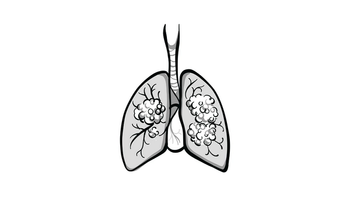
Combination of toripalimab and chemotherapy in the frontline setting shows survival benefit in patients with advanced non–small cell lung cancer without EGFR or ALK mutations, regardless of PD-L1 status.
The European Commission has granted a conditional marketing authorization to mosunetuzumab for the treatment of adult patients with relapsed or refractory follicular lymphoma who have previously received at least 2 prior systemic therapies
Results from JACKPOT8 presented during the 2022 EHA Congress show that golidocitnib has encouraging anti-tumor efficacy and tolerable safety in patients with relapsed or refractory peripheral T-cell lymphoma.