
Ghassan K. Abou-Alfa, MD, a medical oncologist at Memorial Sloan Kettering Cancer Center discusses the results of the phase 2 study of tislelizumab in patients with unresectable hepatocellular carcinoma.

Ghassan K. Abou-Alfa, MD, a medical oncologist at Memorial Sloan Kettering Cancer Center discusses the results of the phase 2 study of tislelizumab in patients with unresectable hepatocellular carcinoma.

For patients with neuroendocrine tumors, the chances of dying of cancer were higher than dying of other causes, but mortality largely varies by primary tumor site.

Following the successful completion of the phase 1b analysis, the study of devimistat in combination with gemcitabine and cisplatin in biliary tract cancer has moved on to phase 2.
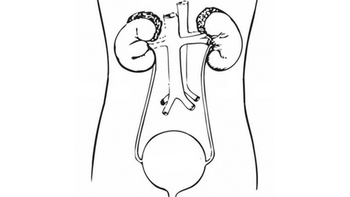
Adding berzosertib, a novel ataxia telangiectasia and Rad3-related inhibitor drug, to standard-of-care chemotherapy does not extend progression-free survival for patients with metastatic urothelial cancer.
Sacituzumab goveitecan has been administered to the first time in a patient with metastatic or locally advanced unresectable urothelial carcinoma as part of the phase TROPICS-04 study.

In an interview with Targeted Oncology™, Eric S. Nadler, MD, discusses IMpower133’s real-world implication and the effects immunotherapy has had on the ES-SCLC space.

Camrelizumab when used in combination with gemcitabine, and cisplatin has shown potential as a new standard of care for the frontline treatment of nasopharyngeal carcinoma.

Atezolizumab plus nab-paclitaxel will no longer be a treatment option for adult patients with unresectable locally advanced or metastatic triple-negative breast cancer following Roche's withdraw of the indication from the United States market.

Tycel Jovelle Phillips, MD, discusses the design of a phase 1 study looking at venetoclax, lenalidomide, and rituximab in patients with newly diagnosed mantle cell lymphoma.
A new cell therapy containing autologous tumor-infiltrating lymphocytes followed by nivolumab maintenance is both safe and clinically active in patients with metastatic non-small cell lung cancer.
In an interview with Targeted Oncology™, study co-investigator Yousef Zakharia, explained the background and results of the DUART study.

The long-term efficacy of autologous hematopoietic stem cell transplantation in mantle cell lymphoma has been evaluated and confirmed 15 years later.

In an Interview with Targeted Oncology, Debasish Tripathy, MD, discusses the triplet regimen for HER2+ breast cancer with leptomeningeal metastases in greater detail along with its broader clinical applications.

To accompany a newly approved targeted therapy for IDH1-mutated cholangiocarcinoma, the Oncomine Dx Target Test has been approved as a companion diagnostic.
In a compassionate use study, leronlimab demonstrated major improvement in survival outcomes in patients with metastatic triple-negative breast cancer.

Roxadustat appears to be a well-tolerated, effective treatment for chemotherapy-induced anemia.
In an interview with Targeted Oncology™, lead study author Elisa Agostinetto, MD, of the Istituto Clinico Humanitas in Rozzano, Milan, Italy, discussed the accuracy of PREDICT+ in HER2-positive breast cancer in greater detail and its clinical implications.
Lori Wirth, MD, discusses the future of selpercatinib in RET-altered thyroid cancers.
The FDA has accepted the biologics license application for tebentafusp and granted it priority review for the treatment of adult patients with HLA-A*02:01-positive metastatic uveal melanoma.
The FDA has approved iIvosidenib Tablets for the treatment of patients with IDH1-mutant cholangiocarcinoma.
Asciminib for the treatment of 2 chronic myeloid leukemia subgroups is now under FDA consideration for approval.

In an interview with Targeted Oncology™, Guru Sonpavde, MD, discussed the safety and efficacy of fixed-dose durvalumab for UTC along with an overview of the ongoing CheckMate 274 trial, which evaluates nivolumab compared to placebo in this patient population.
Phase 2 data show that tyrosine kinase inhibitors can be combined with chemotherapy to improve outcomes in patients with relapsed or refractory osteosarcoma.

In medullary thyroid cancer, older patients are more likely to have more aggressive disease and disease specific mortality.
In an interview with Targeted Oncology, Melissa K. Frey, MD, discussed findings from implementing web-based health information collection of family history in patients with gynecologic cancers.
The BELINDA clinical trial results show that tisagenlecleucel did not outperform standard of care in aggressive B-cell non-Hodgkin lymphoma.
While brain tumor rates are declining, 5-year survival remains low at 36%. Incidence rates of adult brain tumors are decreasing; however, 5-year survival rates remain low.

Haris Ali, MD, a hematology oncologist at the City of Hope Comprehensive Cancer Center, discusses common myeloproliferative neoplasms driver mutations.
Enrollment in the phase 2b PARADIGME trial of 177Lu lilotomab satetraxetan (Betalutin) in patients with follicular lymphoma has continued despite the surge of the COVID-19 Delta variant.
In the wake of immunotherapy combinations becoming available in breast cancer, including triple-negative breast cancer, the Society for Immunotherapy of Cancer has published clinical practice guidelines for physicians treating in this setting.