

In an interview with Targeted Oncology, Alexander Spira, MD, PhD, discussed the findings from the clinical trial evaluating amivantamab in combination with lazertinib as treatment of patients with advanced EGFR-mutant non-small cell lung cancer.

In an interview with Targeted Oncology, Alexander Spira, MD, PhD, discussed the findings from the clinical trial evaluating amivantamab in combination with lazertinib as treatment of patients with advanced EGFR-mutant non-small cell lung cancer.

The FDA granted a Fast Track designation to the combination of ublituximab plus umbralisib for the treatment of adult patients with chronic lymphocytic leukemia.

In an interview with Targeted Oncology, Marcia Brose, MD, PhD, discussed the findings for the global, non-interventional study that assessed the use of sorafenib as treatment of patients with asymptomatic radioiodine-refractory differentiated thyroid cancer.
Afatinib, an FDA-approved frontline treatment for patients with metastatic non–small cell lung cancer, has now demonstrated efficacy and tolerable safety in the second-line setting of metastatic squamous cell carcinoma of the lung
The FDA granted a Priority Review designation to adjuvant osimertinib as treatment of patients with stage IB/II/IIIA EGFR-mutant non–small cell lung cancer following a complete tumor resection with curative intent.

Several late-phase results were shared during the European Society of Medical Oncology Virtual Congress in gynecologic malignancies, but the data presented generated excitement about the number of novel options for patients after initial treatment.
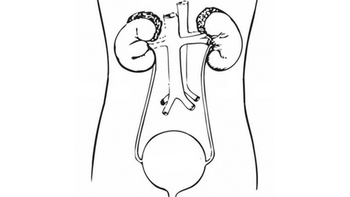
In an interview with Targeted Oncology, Bradley McGregor, MD, discussed the findings from the CheckMate-9ER study of nivolumab and cabozantinib as treatment of patients with advanced renal cell carcinoma, as well as the health-related QoL data supporting the use of this combination.
Encouraging anti-tumor activity was observed with the combination of quavonlimab and pembrolizumab when given as frontline therapy to patients with advanced non–small cell lung cancer in a phase 1 study.
Four-year follow-up data from cohort G KEYNOTE-021 reinforced the use of the immune checkpoint inhibitor pembrolizumab in patients with advanced non–small cell lung cancer.
The FDA granted a Priority Review designation to the combination of nivolumab plus cabozantinib for the treatment of patients with advanced renal cell carcinoma.
The FDA granted approval to venetoclax in combination with azacitidine, decitabine, or low-dose cytarabine, a regimen known as LDAC, as treatment of adults patients with aged 75 years or older with newly-diagnosed acute myeloid leukemia or who have comorbidities precluding intensive induction chemotherapy.

Two phase 3 clinical trials demonstrated consistent safety findings with the expected safety profile of guadecitabine as treatment of 2 patient populations, including patients with previously treated acute myeloid leukemia in ASTRAL-2 and patients with previously treated myelodysplastic syndrome or chronic myelomonocytic leukemia in ASTRAL-3.
During a Medical Crossfire at the 21st Annual International Lung Cancer Congress, Paul A. Bunn, Jr, MD, debated with Karen L. Reckamp, MD, MS, about frontline single-agent immune checkpoint inhibitors versus combined chemotherapy and immunotherapy for the treatment of patients with advanced NSCLC.
Targeted Oncology reviews trending news online for the week of October 16, 2020, including updates in oncology.
Patients with relapsed or refractory diffuse large B-cell lymphoma who have not found success in 2 or more lines of therapy face stiff odds, but new data suggest polatuzumab vedotin–based therapies may help improve outcomes.
An Orphan Drug Designation had been granted by the FDA to the CD40 antagonistic monoclonal antibody, APX005M for the treatment esophageal and gastroesophageal junction cancer, as well as for the treatment of patients with pancreatic cancer.

A significant reduction in the risk of death was observed with the addition of sipuleucel-T to either abiraterone acetate or enzalutamide as treatment of patients with metastatic castration-resistant prostate cancer in a real-world analysis.
The primary end point of prolonged progression-free survival in the phase 3 CHRONOS-3 study was met with copanlisib in combination with rituximab as treatment of patients with indolent non-Hodgkin lymphoma.

Uday R. Popat, MD, discusses the role of JAK inhibitors in patients with myeloproliferative neoplasms.
The FDA granted approval to the immune checkpoint inhibitor pembrolizumab as treatment of patients with relapsed or refractory classic Hodgkin lymphoma.
The first CD19/22-directed dual targeting CAR T cell AUTO3 demonstrated a tolerable and best-in-class safety profile as treatment of patients with relapsed/refractory diffuse large B-cell lymphoma.
The FDA granted a Fast Track designation to the novel agent PC14586 for the treatment of patients with locally advanced or metastatic solid tumors that harbor a P53 Y220C mutation.
Across subsets of patients with thyroid cancer, an interesting collection of research was shared with oncologists during the 2020 European Society of Medical Oncology Virtual Congress, demonstrating improvement in outcomes for patients with thyroid cancers with newer and established approved regimens.
Tazemetostat as a single agent demonstrated clinically meaningful durable responses as treatment of patients with heavily pretreated relapsed/refractory follicular lymphoma.
In an interview with Targeted Oncology, Rana R. McKay, MD, discussed the findings from the CheckMate-9ER study of nivolumab plus cabozantinib in patients with advanced or metastatic renal cell carcinoma who had not been previously treated.
The FDA has accepted an investigational New Drug application for the investigational CDK2/4/6 inhibitor NUV-422 for the treatment of patients with high-grade gliomas.
A number of targeted agents have been approved in the setting of metastatic breast cancer, which has allowed for more personalized treatment approaches and underscores the importance of genomic testing.
In an interview with Targeted Oncology, Lori J. Wirth, MD, discussed the findings from an analysis of the patient-reported outcomes observed in the LIBRETTO-001 study of selpercatinib in patients with RET-driven thyroid cancers.

Natalie S. Callander, MD, discusses the role of CAR T-cell therapy as treatment of patients with multiple myeloma.
Enfortumab vedotin-ejfv induced durable responses as treatment of patients with locally advanced or metastatic urothelial cancer who have previously received immunotherapy but not a prior platinum-containing chemotherapy and are not eligible for cisplatin.