
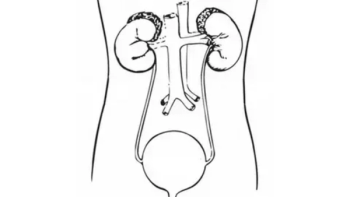
UroGen Pharma's ENVISION trial reveals promising long-term efficacy of intravesical mitomycin for treating low-grade bladder cancer, offering a non-surgical option.

UroGen Pharma's ENVISION trial reveals promising long-term efficacy of intravesical mitomycin for treating low-grade bladder cancer, offering a non-surgical option.

Cardiff Oncology reveals promising results for onvansertib in treating KRAS- or NRAS-mutated metastatic colorectal cancer, enhancing response rates significantly.

Allogene Therapeutics halts ALLO-647 trial in large B-cell lymphoma after a patient death raises safety concerns, impacting future research.
FDA prioritizes review of liso-cel, a groundbreaking CAR T-cell therapy for relapsed marginal zone lymphoma, promising improved patient outcomes.

FCARH143, a CAR T-cell therapy, delivered a 100% objective response rate in a phase 1 trial in patients with relapsed/refractory multiple myeloma.

Anbogen Therapeutics gains FDA approval for ABT-301, initiating a pivotal trial for metastatic colorectal cancer, targeting unmet clinical needs.
Trethera Corporation initiates a clinical trial for TRE-515, exploring its potential in oncology and autoimmune diseases while enhancing patient quality of life.

A groundbreaking study reveals that Guardant Reveal's liquid biopsy detects immunotherapy responses earlier, enhancing treatment decisions for advanced cancer patients.
In this week's Targeted Pulse, we cover new FDA designations for cancer drugs, advances in targeted therapies, and key discussions on trial access gaps.

A groundbreaking trial explores personalized endocrine therapy for early-stage breast cancer, aiming to reduce chemotherapy's side effects and improve patient outcomes.

The HIMALAYA study reveals the STRIDE regimen significantly improves 5-year survival rates in unresectable HCC, redefining treatment standards.

The KEYNOTE-426 trial confirms pembrolizumab plus axitinib's long-term effectiveness for advanced kidney cancer, revealing insights into predictive biomarkers for treatment response.
A recent meta-analysis reveals no link between pathologic complete response and long-term survival in rectal cancer, challenging its use as a surrogate endpoint.
July marks a transformative month in oncology with the FDA's groundbreaking approvals and updates, enhancing treatment options for various cancers.

Cabozantinib and atezolizumab improve progression-free survival in metastatic prostate cancer, offering hope for high-risk patients despite no overall survival benefit.
Sanofi's SAR446523 gains FDA orphan drug status, offering hope for relapsed multiple myeloma patients with its targeted monoclonal antibody approach.

New clinical trial results reveal gedatolisib significantly improves progression-free survival in advanced HR+/HER2– breast cancer, offering hope for patients.
Atossa Therapeutics advances Z-endoxifen for ER+/HER2- metastatic breast cancer, receiving FDA support for dose optimization and combination therapy strategies.
FDA grants fast track designation to CLD-201, an innovative therapy for soft tissue sarcoma, enhancing its development and review process.

Pirtobrutinib shows promising results in treating CLL, outperforming ibrutinib in a pivotal phase 3 trial, paving the way for broader applications.

Early data from the DURIPANC study shows promising safety and survival benefits of rintatolimod and durvalumab for metastatic pancreatic cancer patients.

New long-term data highlights the effectiveness and safety of ivosidenib with azacitidine for treating IDH1-mutated AML, improving patient outcomes significantly.

Nina Balanchivadze, MD, FACP, discusses how inclusive research begins at the community level by addressing barriers to trial participation.
AbbVie seeks FDA approval for a groundbreaking oral treatment combining venetoclax and acalabrutinib, promising a new era in CLL care.
The FDA has cleared investigational new drug applications for ZW251 and RV‑01, advancing novel treatments for solid tumors in first-in-human trials.

The oral casein kinase 1α and cyclin dependent kinase 7/9 inhibitor BTX A51 revealed a manageable safety profile in relapsed or refractory patients with AML or MDS.
MAIA Biotechnology's ateganosine gains FDA fast track status, offering hope for advanced NSCLC patients with limited treatment options.
Atezolizumab enhances long-term outcomes in triple-negative breast cancer, revealing promising insights on ctDNA as a prognostic biomarker.