
Commentary|Articles|July 23, 2026
Considering the Applications of On-Body Injector for Myeloma in Community Practice
Author(s)Joseph Mikhael, MD
Fact checked by: Jonah Feldman, Cheney Gazzam Baltz
Joseph Mikhael, MD, MEd, discusses how the on-body injection option for isatuximab can improve convenience for community oncology staff and patients.
Advertisement







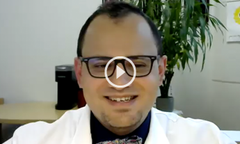
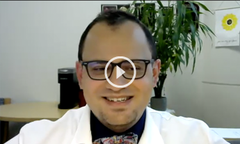
Joseph Mikhael, MD, MEd, professor at the Translational Genomics Research Institute (TGen), an affiliate of City of Hope Cancer Center, and director of Myeloma Research at the HonorHealth Research Institute, discusses how
The primary advantage of the on-body injector in this setting is its ability to free up nursing staff, although they still need to maintain patient oversight. Once health care personnel apply the prefilled device to the patient's skin and initiate delivery, constant one-on-one direct supervision is no longer strictly required throughout the administration window. Nurses can safely step away to attend to other clinical duties, manage separate patients, or fulfill administrative responsibilities, returning to monitor the patient. This hands-off capability significantly smooths clinic operations, reduces staffing bottlenecks, and maximizes the efficiency of the clinical care team.
Furthermore, the on-body injector introduces unprecedented flexibility regarding where and how treatment is administered within a community practice. Because the automated device eliminates the necessity for dedicated intravenous infusion chairs and continuous one-on-one nursing oversight, administrations can easily take place in non-traditional clinic areas outside the main infusion suite. Although the regulatory approval permits both manual subcutaneous pushes and on-body injector delivery, Mikhael anticipates that the vast majority of community providers and patients will naturally favor the on-body injector. By accommodating clinic workflows and reducing the logistical burdens of intravenous lines, this technology establishes a highly adaptable, patient-friendly delivery paradigm for community oncology.
Advertisement
Related to this article

In an interview, Peter Voorhees, MD, discusses his presentation of the CERVINO trial data from the International Myeloma Society meeting.
Benjamin Herzberg, MD, discusses KRAS-mutant non–small cell lung cancer, upfront biomarker testing, and the emerging RAS inhibitor toolkit on Targeted Talks.

Published phase 1 findings support the promising efficacy and tolerability of anito-cel in relapsed/refractory multiple myeloma, explains lead author Matthew Frigault, MD.

Broad oncology bundles falter; experts push smaller surgery/radiation episodes, better navigation, and AI analytics to improve value-based care.
In the phase 3 EXCALIBER-RRMM trial, iberdomide plus daratumumab and dexamethasone doubled MRD-negative complete response rates over standard therapy in relapsed myeloma.
Closing sessions at IMS 2026 featured MRD-guided treatment strategies, real-world CAR T-cell data, and mixed results on cilta-cel neurotoxicity prevention in myeloma.
Etentamig significantly improved response and survival over standard therapy in the phase 3 CERVINO trial, headlining day 3 of IMS 2026 myeloma coverage.
Half of patients who stopped MRD-guided maintenance in GEM2014MAIN remained progression-free at 7 years, as IMS 2026 also featured DREAMM-9, MIDAS, and novel bispecific data.
Advertisement
Advertisement
Trending on Targeted Oncology - Immunotherapy, Biomarkers, and Cancer Pathways
1
Anito-Cel Delivers Durable Responses With Low Neurotoxicity in RRMM
2
Risk, Histology, and Metastatic Site Guide First-Line RCC Treatment Choices
3
FDA Application Withdrawn for I-DXd in Small Cell Lung Cancer
4
Elinzanetant Gets Priority Review for VMS From Breast Cancer Endocrine Therapy
5