

Commentary|Videos|May 27, 2026
Decisions on How to Treat Progressive Desmoid Tumors
Author(s)Daniel Wang, MD, Mark Agulnik, MD
Fact checked by: Jonah Feldman
Mark Agulnik, MD, and Daniel Wang, MD, discuss risk assessment and treatment approaches with systemic therapy for desmoid tumors.
Advertisement
Episodes in this series
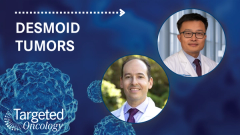
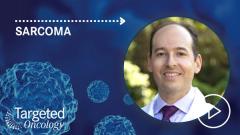
Daniel Wang, MD, of UT Southwestern Medical Center, and Mark Agulnik, MD, of the Keck School of Medicine of USC, discuss the complex clinical landscape of managing desmoid tumors, emphasizing the unpredictable natural history of this benign, nonmetastatic condition. Because individual tumors can spontaneously regress, stabilize, or grow, and because radiographic progression does not always correlate with clinical symptoms, a balanced approach is essential to avoid overtreatment. Treatment decisions are heavily influenced by anatomy. For intraabdominal or retroperitoneal tumors, major complications such as bowel obstructions warrant the consideration of systemic therapies or surgery. Conversely, for extra-abdominal locations, surgical resection is generally less preferred due to local morbidity.
The therapeutic paradigm has significantly advanced with data from the phase 3 DeFi trial (NCT03785964), which evaluated nirogacestat (Ogsiveo), a novel oral gamma-secretase inhibitor, against a placebo. The trial demonstrated a highly statistically significant progression-free survival benefit and a major improvement in objective response rates, reaching nearly 40% compared with just 8% in the placebo cohort. Crucially, nirogacestat also demonstrated meaningful improvements in patient-reported outcomes, confirming a true quality-of-life benefit that led to its formal regulatory approval.
Despite these efficacy gains, the clinicians stress that staying on long-term systemic therapies, whether nirogacestat or tyrosine kinase inhibitors like sorafenib, requires proactive toxicity management and individualized dosing strategies. Nirogacestat presents a unique adverse event profile that includes risks of skin toxicities and ovarian dysfunction. Clinicians must closely monitor liver enzymes and phosphorus levels, and coordinate with dermatology due to risks of skin conditions and non-melanoma skin cancers. Furthermore, because desmoid tumors frequently affect women of childbearing potential, the threat of drug-induced fertility impairment and ovarian failure requires comprehensive counseling regarding family planning and potential treatment holidays. Given these intricate variables, community oncologists are strongly encouraged to seek multidisciplinary consultations with specialized sarcoma centers to optimize and individualize patient care.
Advertisement
Related Content
Advertisement




























Advertisement
Advertisement
Trending on Targeted Oncology - Immunotherapy, Biomarkers, and Cancer Pathways
1
FDA Approves Ropeginterferon Alfa-2b for Essential Thrombocythemia
2
FDA Approves Rusfertide for Polycythemia Vera
3
ASCO Guideline Update Recommends Risk-Based Breast Cancer Surveillance
4
August 2026 in Oncology: A Look Back at FDA Approvals and Decisions
5