


GI CANCERS
Latest News
Advertisement
Latest Videos

















































Advertisement
More News

Patients with PD-L1–positive, HER2-negative, advanced gastric or gastroesophageal junction cancer had non-inferior overall survival with frontline pembrolizumab compared with standard chemotherapy, according to results from the phase III KEYNOTE-062 trial.

The novel bispecific antibody ZW25 has been granted a fast track designation by the FDA for the treatment of patients with HER2-overexpressing gastroesophageal adenocarcinoma to be used in combination with standard-of-care chemotherapy.
In an interview with <em>Targeted Oncology</em>, experts in gynecology, gastrointestinal, genitourinary, lung, and breast cancers spoke to the significance of the abstracts they are most looking forward to at the 2019 ASCO Annual Meeting.
Comparable efficacy and minimized adverse events were seen with a lower dose of oxaliplatin (Eloxatin) and capecitabine (Xeloda) in elderly and frail patients with advanced gastroesophageal cancer, according to findings to be presented during the 2019 American Society of Clinical Oncology Annual Meeting.
The FDA has granted P-BCMA-101 with an orphan drug designation for the treatment of patients with relapsed and/or refractory multiple myeloma.

Radioembolization is an effective treatment option for patients with neuroendocrine neoplasms and liver metastases, demonstrating a disease control rate of >90% in an international, retrospective study.

Findings from a study of tumor samples collected from patients with pancreatic ductal adenocarcinoma revealed that 17% of tumors harbored a known genomic alteration for which targeted therapies have already been developed, conferring feasibility to implementing precision medicine in a disease that has seen little progress in the development of effective therapeutic agents.

A new phase III trial has demonstrated that a novel extended-release formulation of anagrelide (Thromboreductin) is noninferior to immediate-release anagrelide in reducing platelet counts in patients with essential thrombocythemia.
A discussion between regulators and special interest groups has cooled some of the excitement generated by the emergence of chimeric antigen receptor T-cell therapy for treating hematologic cancers.
Before a community oncology practice considers getting involved in clinical trials research, there are many factorsto consider. Perhaps foremost is the fact that cancer clinical trials provide the evidence base for new advances in oncology.
Artificial intelligence has made inroads in many industries—banking, finance, security—but its adoption in healthcare has been lagging and real-world clinical implementation has yet to become a reality. Nonetheless, proponents say it is only a matter of time and pilot programs are starting to yield some practical results.

Frederick L. Locke, MD, discusses how chimeric antigen receptor (CAR) T-cell therapies have evolved over the last 30 years of research in the field of hematologic malignancies.
The success of chimeric antigen receptor T-cell therapy observed in hematologic malignancies has not yet translated into the solid tumor setting; however, efforts continue to try to bring this new modality into the treatment paradigm for solid tumors, including pancreatic cancer.
The healthcare community is still awaiting a response from the Centers for Medicare & Medicaid Services to the opposition of the agency’s proposal to substantially revise the Medicare Part D protected drug classes.
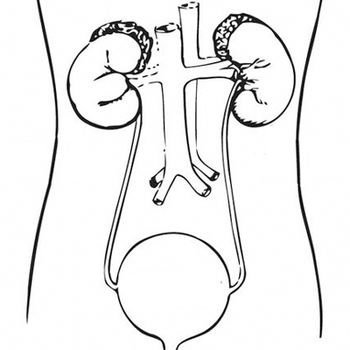
Overtreating men 70 years or older with prostate cancer cost Medicare more than $1.2 billion from 2004 to 2007, according to the results of a retrospective study using the Surveillance, Epidemiology, and End Results–Medicare linked database.
A fourth trastuzumab biosimilar has been granted approval by the FDA. The approval was for PF-05280014 for the treatment of patients with HER2-overexpressing breast cancer as well as HER2-overexpressing metastatic gastric or gastroesophageal junction adenocarcinoma.
AstraZeneca and Merck, the codevelopers of olaparib, have announced that findings from the phase III POLO trial showed use of the PARP inhibitor as a frontline maintenance for patients with germline <em>BRCA</em>-mutated metastatic adenocarcinoma of the pancreas significantly reduced the risk of disease progression or death versus placebo.
Based on data from the phase III TAGS trial, TAS-102 has been approved by the FDA as a treatment for adult patients with metastatic gastric or gastroesophageal junction adenocarcinoma previously treated with at least 2 prior lines of chemotherapy that included a fluoropyrimidine, a platinum, either a taxane or irinotecan, and if appropriate, HER2/neu-targeted therapy.
Merck, the developer of pembrolizumab, has announced that the coprimary endpoints of the KEYNOTE-240 trial were not met, as adding the agent to best supportive care failed to improve progression-free or overall survival in patients with advanced hepatocellular carcinoma who were previously treated with systemic therapy.

Hani M. Babiker, MD, shares his advice for community oncologists treating patients with pancreatic cancer.





Advertisement
Advertisement
Trending on Targeted Oncology - Immunotherapy, Biomarkers, and Cancer Pathways
1
Denosumab Biosimilar Approved For Existing Oncology Indications
2
Plinabulin Receives FDA Fast Track Designation in Post-ICI NSCLC
3
FDA Oncology Recap: Approvals, Designations, and Decisions in September 2026
4
Tile-Based Radiation Improves Local Control in Resected Brain Metastases
5