



HCC
Latest News
Advertisement
Latest Videos




























Advertisement
More News

Michael A. Morse, MD, FACP, MHS, highlights the latest ongoing research in HCC and predicts what future treatment might look like in this field.
Kevin Staveley-O’Carroll, MD, PhD, discusses one of the challenges in treating patients with hepatocellular carcinoma and shares what he thinks are the next steps in overcoming this challenge.

The healthcare community is still awaiting a response from the Centers for Medicare & Medicaid Services to the opposition of the agency’s proposal to substantially revise the Medicare Part D protected drug classes.
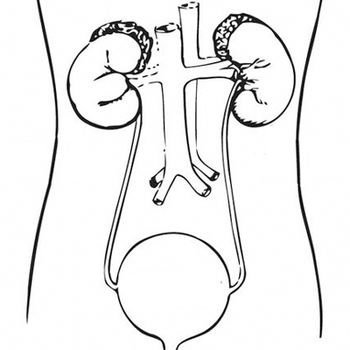
Overtreating men 70 years or older with prostate cancer cost Medicare more than $1.2 billion from 2004 to 2007, according to the results of a retrospective study using the Surveillance, Epidemiology, and End Results–Medicare linked database.
During a <em>Targeted Oncology </em>live case-based peer perspectives program, Ruth He, MD, PhD, discussed her strategies for treating patients with liver cancer as more therapeutic options enter the landscape.
Masatoshi Kudo, MD, PhD, discusses the results from the REFLECT trial and an analysis presented at the 2019 Gastrointestinal Cancers Symposium, as well as other research currently ongoing for this patient population.
Daneng Li, MD, sheds light on some of the currently available regimens and ongoing research efforts being conducted in HCC and NETs.
Merck, the developer of pembrolizumab, has announced that the coprimary endpoints of the KEYNOTE-240 trial were not met, as adding the agent to best supportive care failed to improve progression-free or overall survival in patients with advanced hepatocellular carcinoma who were previously treated with systemic therapy.

Josep M. Llovet, MD, PhD, discussed the available treatment options for patients with hepatocellular carcinoma.
Although immune checkpoint inhibition–related hepatotoxicity is a rare occurrence, it leads to ICI treatment discontinuation in more than two-thirds of affected patients, according to the results of a retrospective study presented at the American Association for the Study of Liver Diseases’ 2018 Liver Meeting.
Using regorafenib after hepatocellular carcinoma progression on sorafenib in the post–liver transplantation setting produced overall survival effects similar to those of patients without liver transplant, according to results presented at the American Association for the Study of Liver Diseases’ 2018 Liver Meeting.

A look back at all the FDA news in oncology from the month of January 2019, including several new approvals, breakthrough therapy designations, and a partial clinical hold.
The combination of sorafenib and modified FOLFOX demonstrated encouraging efficacy in a small phase II study, but some patients exhibited moderate hepatoxicity, according to investigators from the Massachusetts General Hospital Cancer Center.









Advertisement
Advertisement
Trending on Targeted Oncology - Immunotherapy, Biomarkers, and Cancer Pathways
1
FDA Accepts NDA for Daraxonrasib in Metastatic Pancreatic Cancer
2
Advanced Renal Cell Carcinoma: Tailoring Second-Line Therapy After Prior Immunotherapy
3
Teclistamab/Talquetamab Reduces Risk of Progression by 89% in R/R Multiple Myeloma
4
Updated HARMONi Analysis Shows Consistent OS Benefit With Ivonescimab in EGFRm Lung Cancer
5