

HEAD & NECK CANCERS
Latest News
Advertisement
Latest Videos

















































Advertisement
More News

Nussenbaum says the current balance in the treatment paradigm of larynx cancer is between surreal and cure, all while maintaining a functional preservation for the patient.
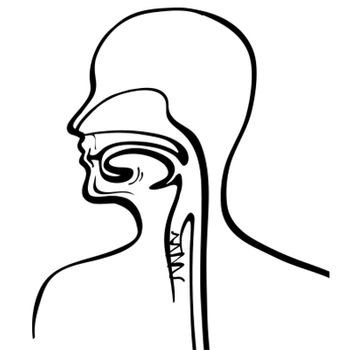
Biomarkers ultimately hold the key to improving both progression-free survival and overall survival with second-line afatinib in patients with recurrent or metastatic head and neck squamous cell carcinoma.
A neoadjuvant combination of motolimod plus cetuximab was found to increase the immune responses in both the blood and tumor microenvironment for patients with head and neck squamous cell carcinoma.

Frakes says the number of HPV-positive oropharyngeal cancer diagnoses year to year is growing, though the number of survivors is proportionate.

Haraf says historically, medical professionals have treated patients with radiation therapy "from their eyebrows to their collarbones." This approach, while effective, has resulted in an abundance of toxicities.
Jonathan Schoenfeld, MD, MPH, discusses the immunologic effects of chemotherapy plus radiation, as well as radiation alone.
The use of induction chemotherapy for advanced head and neck squamous cell carcinoma (HNSCC) does not improve overall survival (OS) when compared to concurrent chemotherapy plus radiation.
The 5-year overall survival (OS) in elderly patients with locally advanced head and neck cancers was drastically improved with concurrent chemoradiation versus radiation therapy alone, according to an analysis of the National Cancer Data Base.
Patients with HPV-positive oropharyngeal squamous cell cancer (OPSCC) who smoke can develop tobacco-associated mutations over time. These accumulated mutations result in less dependence on E6/E7 and other HPV-associated mutations.
Barbara Burtness, MD, discusses the explosion of immunotherapies on the horizon for patients with metastatic head and neck cancer.
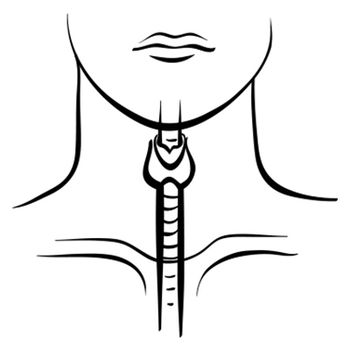
Anaplastic thyroid cancer is an extremely aggressive form of cancer that cannot be cured by surgery and has a median survival of about 6 months. The malignancy normally occurs in patients over the age of 60, and there is not a standard of care, according to John A. Copland III, PhD, professor, Cancer Biology, Mayo Clinic.

Asa says one of the most common mutations in subtypes of thyroid cancer is the BRAF mutation. She adds that while the mutation is common, a good number of patients do not respond to BRAF-targeted therapies, hinting that these subtypes are more complex than previously thought.
Patients with a certain type of oral human papilloma virus (HPV) have an increased risk of developing head and neck squamous cell carcinoma, as well as oropharyngeal cancer, according to a new study.
With the phase III CheckMate-141 trial being stopped early due to the anti-PD-1 agent nivolumab having met its primary endpoint of overall survival improvement in head and neck cancer, Robert Ferris, MD, PhD, couldn't be more elated.

Anti–PD-1 agent nivolumab boosted overall survival versus an investigator's choice of therapy in platinum-refractory squamous cell carcinoma of the head and neck (SCCHN) during a recent trial.
The FDA has granted an affinity enhanced T-cell therapy breakthrough therapy designation for patients with inoperable or metastatic pretreated synovial sarcoma who harbor HLA-A*201, HLA-A*205, or HLA-A*206 alleles and whose tumors express the NY-ESO-1 tumor antigen

Single-dose fosaprepitant dimeglumine (Emend for injection) in combination with antiemetic agents has been approved by the FDA for the preventing
Pembrolizumab (Keytruda), a PD-1 inhibitor, showcased encouraging activity with some adverse events (AEs) when employed as a treatment for patients with advanced PD-L1

Patients who elect to undergo immediate surgery for low-risk thyroid-related microcarcinoma may be subjecting themselves to unnecessary risk, according to findings from a large study in Japan.

The presence or absence of certain serum-free fatty acids could be an excellent diagnostic tool to differentiate between patients with either benign thyroid diseases or thyroid cancer.

An upcoming phase I trial seeks to evaluate a combination of interferon gamma-1b (ACTIMMUNE) and nivolumab (Opdivo) in patients with advanced solid tumors who have progressed on at least one prior systemic therapy.

The FDA has approved a new treatment consisting of a non-alcohol formulation of docetaxel in patients with breast cancer, non-small cell lung cancer, prostate cancer, gastric adenocarcinoma, and head and neck cancer.

Patients with newly-diagnosed glioblastoma who received treatment with tumor- treating electrical fields in addition to temozolomide had nearly double the two-year survival of those who received temozolomide alone, according to an article published in the Journal of the American Medical Association.
Rindopepimut is the first immunotherapy to have ever shown a survival benefit in brain cancers, specifically glioblastoma, said David Reardon, MD.
A chimeric antigen receptor T-cell therapy used in patients with EGFRvIII-positive glioblastoma multiforme during a pilot study showed promising results, according to two leading researchers in the field presenting at the 2015 Society of Neuro-Oncology Annual Meeting.
Advertisement
Advertisement
Trending on Targeted Oncology - Immunotherapy, Biomarkers, and Cancer Pathways
1
FDA Oncology Recap: Approvals, Designations, and Decisions in September 2026
2
Plinabulin Receives FDA Fast Track Designation in Post-ICI NSCLC
3
New Drug Application Filed for Savolitinib/Osimertinib in MET+ NSCLC
4
Denosumab Biosimilar Approved For Existing Oncology Indications
5