

HEAD & NECK CANCERS
Latest News
Advertisement
Latest Videos













































Advertisement
More News
Phase II findings have shown a substantial improvement in overall survival with the dendritic vaccine ICT-107 in a subgroup of patients with HLA-A2+ newly diagnosed glioblastoma multiforme (GBM), warranting further exploration in a phase III study.
Though clinical work is ongoing and early, researchers are already considering how to manage potentially fatal neurotoxicities in patients treated with chimeric antigen receptor (CAR) T-cell therapy.
An emerging class of immune checkpoint blockade drugs has produced impressive benefits for patients in many solid tumor types. The class' success hints that these drugs ay be successful against central nervous system tumors as well, including glioblastoma.
Physicians are up to the task when it comes to the influx of immunotherapies being studied and approved across multiple tumor types, Jeffrey S. Weber, MD, PhD
Optune in conjunction with chemotherapy and/or bevacizumab boosted survival rates in patients with recurrent glioblastoma multiforme.

A research team from Michigan Technological University recently discovered two major biomarkers used in the detection of thyroid cancer may be inaccurate in diagnosing the disease.
Rimas Lukas, MD, director, Medical Neuro-Oncology, co-director, Neurology Medical Student Clerkship Program, The University of Chicago Medical Center, on PD-L1 blockade treatment and its potential in patients with recurrent glioblastoma (GBM).

David Reardon, MD, clinical director, Center for Neuro-Oncology, Dana-Farber Cancer Institute, on the need to identify glioblastoma (GBM) patients with the EGFRvIII mutation in their tumor.
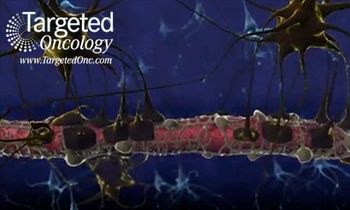
A team of scientists have conducted preclinical trials of a novel drug nanocarrier, 3HM, that may offer a solution to breaking the blood-brain barrier in the treatment of brain cancers like glioblastoma multiforme.

A team of scientists from Virginia Tech Carilion Research Institute and clinicians from Carilion Clinic may have found a way to increase sensitivity to the front-line chemotherapeutic agent temozolomide (TMZ) in glioblastoma (GBM), even after resistance.

R. Michael Tuttle, MD, professor of Medicine, Memorial Sloan Kettering Cancer Center, talks about the new horizons for radioactive iodine treatment in thyroid cancer.
With the incidence of HPV-positive oropharyngeal cancers on the rise, researchers are currently seeking less intense treatment options that combine effectiveness and low toxicity for patients.
The kinase inhibitors sorafenib (Nexavar) and lenvatinib (Lenvima) have significantly altered the treatment paradigm for patients with advanced radioactive iodine (RAI)-refractory differentiated thyroid cancer in both older and younger populations, with combination strategies hoping to further build upon this success.
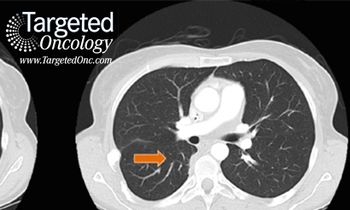
Treatment of certain head and neck cancers may soon be fundamentally transformed through the use of molecular diagnostics to dissect essential oncogenic driver pathways, and ultimately to identify targeted therapies that specifically inhibit them.
Michael Baumann, MD, Professor of Radiation Oncology, Director University of Dresden Cancer Center in Dresden, Germany discusses the DDFMISO-trial, which investigated hypoxia-specific PET imaging during radio-chemotherapy for locally advanced head-and-neck cancer.

Over a fifth of patients with previously treated advanced nasopharyngeal carcinoma showed a measureable response, when treated with pembrolizumab, an immune checkpoint inhibitor.

An experimental immunotherapy for human papillomavirus-, or HPV-, related throat cancers, which is driven by the Listeria bacteria (that wreaks havoc when ingested), may now move forward.
Abstracts highlighting the latest clinical data on lenvatinib are expected at the 2015 European Cancer Congress in Vienna, Austria.
The attenuated vaccinia virus, GL-ONC1, demonstrated safety and clinical benefit when delivered intravenously with concurrent chemoradiation therapy in patients who have locoregionally advanced head and neck carcinoma (LA-HNC).

Matthew H. Taylor, MD, Oregon Health and Science University, discusses the toxicities and impact of lenvatinib in the SELECT trial, which treated patients with 131I-refractory differentiated thyroid cancer.

Sonidegib (Odomzo) was approved by the EC for the treatment of patients who have locally advanced basal cell carcinoma (laBCC) and are not amenable to curative surgery or radiation therapy.
AstraZeneca’s MedImmune has entered into a licensing agreement and collaboration with Inovio Pharmaceuticals, whereby MedImmune was given exclusive rights to Inovio’s INO-3112 immunotherapy.
Tanguy Seiwert, MD, assistant professor of medicine, associate leader, Head and Neck Cancer Program, University of Chicago, discusses the significance of pembrolizumab in head and neck cancer.

Trisha Wise-Draper, MD, PhD, assistant professor, University of Cincinnati, discusses the quality of life (QOL) as a predictor of clinical outcome in patients with head and neck cancer (HNC).

Shirish Gadgeel, MD, Barbara Ann Karmanos Cancer Institute, discusses a phase III study examining afatinib versus erlotinib as a second-line treatment of patients with advanced squamous cell carcinoma (SCC) of the lung following first-line platinum-based chemotherapy.
Advertisement
Advertisement
Trending on Targeted Oncology - Immunotherapy, Biomarkers, and Cancer Pathways
1
FDA Oncology Recap: Approvals, Designations, and Decisions in September 2026
2
Plinabulin Receives FDA Fast Track Designation in Post-ICI NSCLC
3
New Drug Application Filed for Savolitinib/Osimertinib in MET+ NSCLC
4
Denosumab Biosimilar Approved For Existing Oncology Indications
5